
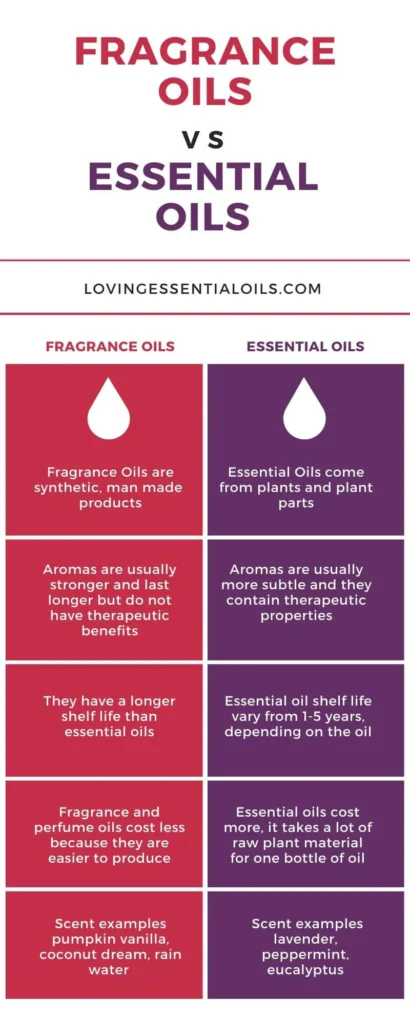
Understanding the Difference Between Essence and Essential Oil
As we explore the world of aromatherapy and natural beauty products, it’s essential to understand the difference between essence and essential oil. These two terms are often used interchangeably, but they have distinct meanings that can impact the quality and efficacy of the products you use.
In this article, we’ll delve into the differences between fragrance, essential oils, and absolutes, exploring their production techniques, chemical constituents, and uses. By the end of this article, you’ll be equipped with a deeper understanding of these natural wonders.
What is an Essential Oil?
Essential oils are concentrated plant extracts that contain the same active principles found in plants. They’re obtained through various extraction methods, including cold pressing, evaporation distillation, and solvent-based processes. The resulting oil can be used for its therapeutic properties, fragrance, or as a carrier oil.
What is a Fragrance?
Fragrances refer to the entire set of chemical constituents present in a plant’s organs, including fruits, leaves, bark, and branches. This broader term encompasses essential oils, absolutes, and other plant extracts that contain aromatic compounds. The primary difference between fragrance and essential oil lies in the extraction technique used.
Production Techniques: A Key Differentiator
The production techniques used to extract essential oils and fragrances can significantly impact their quality and character. Here are some key differences:
- Cold Pressing: Used for producing fragrances, this method involves extracting essential oils from citrus fruits without heat.
- Evaporative Distillation: This process is commonly used for producing essential oils, involving the extraction of aromatic particles from plants through heat produced by water vapor.
- Solvent-Based Extraction (Enfleurage): Used to extract absolutes, this method involves treating plant parts with ethanol or another solvent to extract active principles.
Differences Between Fragrances, Essential Oils, and Absolutes
While fragrances and essential oils share similar characteristics, they differ in their extraction techniques and chemical constituents. Here’s a breakdown of the differences:
- Fragrance: Refers to the entire set of aromatic compounds present in a plant, extracted through cold pressing.
- Essential Oil: A concentrated extract containing the same active principles as fragrances, obtained through evaporation distillation or solvent-based extraction.
- Absolutes: High-quality essential oils extracted using solvent-based methods, often involving ethanol.
Orange Extract: A Case Study
To illustrate the differences between fragrance and essential oil, let’s consider the example of orange extract. When we say “orange fragrance,” we refer to the essential oil obtained through cold pressing of orange peel. In contrast, if the term “essential oil of orange” is used without further specification, it refers to the essential oil extracted through evaporative distillation of branches and leaves.
Evaporative Distillation
Evaporative distillation involves extracting aromatic particles from plants using heat produced by water vapor. This process can be applied to various plant parts, including fruits, leaves, bark, and branches.
Absolutes
Fragrances are essentially the same active principles found in plants but are extracted through a cold pressing process. Unlike extraction with high temperatures that take advantage of these compounds, this method conserves nutrients and ensures better quality.
Differences Between Essences, Essential Oils, and Absolutes
Sometimes chemical constituents extracted from plants in solution may be referred to as essential oils. In these cases, the technique used involves solvents like ethanol. The extraction with solvents often uses enfleurage, a process where plant parts are treated with ethanol or another solvent to extract active principles.
Conclusion
In conclusion, understanding the difference between essence and essential oil is crucial for selecting high-quality products that meet your needs. By grasping the production techniques, chemical constituents, and uses of fragrances, essential oils, and absolutes, you can make informed decisions about which natural wonders align with your goals.
Frequently Asked Questions
- What is the difference between fragrance and essential oil?
- Fragrance refers to the entire set of aromatic compounds present in a plant, while essential oil is a concentrated extract containing the same active principles.
- How are fragrances extracted?
- Fragrances are extracted through cold pressing.
- What is evaporative distillation used for?
- Evaporative distillation is commonly used to produce essential oils by extracting aromatic particles from plants using heat produced by water vapor.
- What is the purpose of solvent-based extraction (enfleurage)?
- Solvent-based extraction involves treating plant parts with ethanol or another solvent to extract active principles, often resulting in absolutes.
- Can essential oils be used for therapeutic purposes?
- Yes, essential oils can be used for their therapeutic properties when properly diluted and used according to guidelines.
- Are all essential oils created equal?
- No, the quality of essential oils can vary significantly depending on factors like extraction methods, plant sources, and production techniques.
- How do I choose a high-quality essential oil?
- Look for products that specify the extraction method, plant source, and quality standards to ensure you’re getting a genuine product.
- Can absolutes be used as fragrances or essential oils?
- Yes, absolutes can be used as both fragrances and essential oils due to their high-quality extract


