
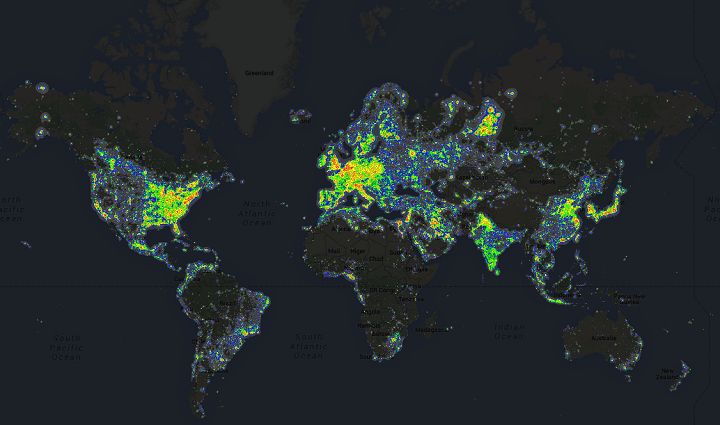
The Looming Problem of Light Pollution in Italy and Around the World
As we gaze up at the night sky, it’s hard not to feel a sense of wonder and awe at the vast expanse of stars twinkling above us. But have you ever stopped to think about the impact that our increasing reliance on artificial light is having on the environment? In this article, we’ll delve into the phenomenon of light pollution, its effects on the environment and human health, and what can be done to mitigate it.
What is Light Pollution?
Light pollution, also known as photopollution, is the excessive and obtrusive lighting of the night sky. It’s a growing problem that affects not just the natural beauty of our surroundings but also has significant environmental, cultural, and economic consequences. According to definition, light pollution refers to “any irradiation of light directed towards the outside from artificial sources, and in particular, towards the celestial sphere”.
The Dangers of Light Pollution
Light pollution can have devastating effects on our environment. For instance, it can disrupt the natural habits of nocturnal animals like birds, turtles, and insects, affecting their ability to navigate and find food. This, in turn, can lead to a cascade of unintended consequences, including:
- Disrupted ecosystems
- Loss of biodiversity
- Negative impacts on human health
The Cultural and Economic Costs
Light pollution also has significant cultural and economic implications. For instance, it can:
- Reduce our ability to appreciate the night sky and its many wonders
- Increase energy consumption and greenhouse gas emissions
- Decrease property values and affect tourism industries
The Situation in Italy
In Italy, as well as around the world, light pollution is a growing concern. While there are no national regulations in place to address this issue, individual regions and provinces have taken steps to mitigate its effects.
- Some areas, like Tuscany and Lazio, have implemented stricter lighting standards.
- Others, such as Lombardy and Emilia-Romagna, have introduced “zero light towards the sky” policies.
The Global Impact
Light pollution is a global problem that requires a coordinated response. According to a recent study, the majority of light pollution comes from urban areas, with over 80% of people living under a sky that’s more than 10 times brighter than it should be.
- This is partly due to the increasing use of LED lighting.
- It also reflects our growing reliance on technology and urbanization.
Solutions and Alternatives
So, what can we do to reduce light pollution? Here are some practical solutions:
- Use energy-efficient lighting: Switching to LEDs or other energy-efficient lighting options can significantly reduce light pollution.
- Adjust your lighting habits: Turn off lights when not in use, use timers, and adjust the intensity of your lighting.
- Promote sustainable practices: Encourage others to take action by promoting sustainable practices and supporting initiatives that address light pollution.
In conclusion, light pollution is a pressing issue that requires our attention and action. By working together, we can mitigate its effects on the environment, human health, and cultural heritage.
Frequently Asked Questions
- What causes light pollution?
Light pollution is caused by excessive and obtrusive lighting of the night sky. - How does light pollution affect humans?
Light pollution has significant impacts on our physical and mental well-being. - Can light pollution be solved?
Yes, it can. By adopting sustainable practices, using energy-efficient lighting, and adjusting our lighting habits, we can significantly reduce light pollution. - What are some solutions to mitigate light pollution?
Some practical solutions include using energy-efficient lighting, adjusting lighting habits, and promoting sustainable practices. - Can I make a difference in reducing light pollution?
Yes. Every small action counts, and collective efforts can lead to significant positive change.
The Role of Technology
Technology has the potential to play a significant role in addressing light pollution. For instance:
- Smart Lighting: Smart lighting systems can be programmed to adjust their brightness and color based on the time of day and ambient light levels.
- Lighting Controls: Lighting controls like timers, occupancy sensors, and photocells can help reduce unnecessary lighting.
The Future of Light Pollution Mitigation
As we move forward, it’s essential that we consider innovative solutions to mitigate light pollution. Some potential strategies include:
- Biophilic Design: Incorporating natural elements into building design can promote a sense of connection to nature and reduce the need for artificial lighting.
- Artificial Intelligence: AI-powered systems can help optimize lighting levels based on real-time data and environmental conditions.
- Community Engagement: Encouraging community involvement in light pollution mitigation efforts can foster a sense of shared responsibility and ownership.
Conclusion
Light pollution is a pressing issue that requires our attention and action. By working together, we can mitigate its effects on the environment, human health, and cultural heritage. As we move forward, it’s essential that we consider innovative solutions to address this problem.


