
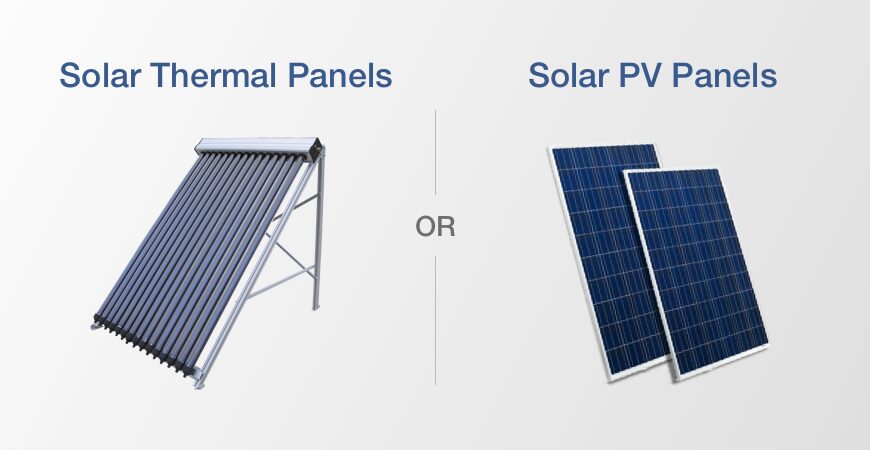
As we strive for a more sustainable future, harnessing the power of solar energy has become an increasingly popular option for reducing our reliance on fossil fuels and lowering our carbon footprint. Two key technologies that have gained significant attention in recent years are solar photovoltaic (PV) and solar thermal systems. But what exactly are these systems, and how do they differ from one another?
Understanding the Basics of Solar Energy
Solar energy is a renewable source of power generated by converting sunlight into electrical or heat energy. This technology has been around for decades, but advancements in efficiency, cost, and design have made it more accessible and appealing to consumers.
There are several types of solar systems available, including:
- Solar photovoltaic (PV) systems: These generate electricity directly from sunlight using photovoltaic panels.
- Solar thermal systems: These harness heat energy from the sun to produce hot water, space heating, and cooling.
- Hybrid systems: A combination of PV and thermal systems that can provide both electricity and heat.
Solar Photovoltaic Systems: Harnessing Electricity from the Sun
A solar photovoltaic system allows us to generate electricity directly from sunlight using specialized cells called photovoltaic panels or modules. These panels can be installed on rooftops or integrated into building envelopes, providing a clean and renewable source of power.
A typical solar PV system consists of four main components:
- Photovoltaic panels: These are the heart of any solar PV system, converting sunlight into electrical energy.
- Inverter: This device converts the DC power generated by the photovoltaic panels into AC electricity, making it usable in homes and businesses.
- Protection and control frame: This component protects the system from potential damage caused by weather conditions or other external factors.
- Bidirectional meter (optional): This device measures energy production and consumption, allowing homeowners to monitor their usage and optimize their solar panel system.
When choosing a solar PV system, it’s essential to consider factors such as efficiency, output, and aesthetics. Different technologies are available, each with varying levels of efficiency and cost.
Solar Thermal Systems: Harnessing Heat from the Sun
A solar thermal system uses sunlight to produce heat energy for various applications, including hot water, space heating, and cooling. This technology involves collecting solar radiation using a network of pipes or panels called collectors, which are then used to heat a fluid or water.
A typical solar thermal system consists of two main parts:
- Collectors: These are the primary component of any solar thermal system, responsible for collecting solar radiation.
- Boiler (bollitore solare): This device heats the collected fluid or water, providing hot water for sanitary use and potentially supplementing winter heating and summer cooling.
When integrating a solar thermal system into domestic heating, it’s essential to consider various options, such as hybrid systems featuring pumps, pellet stoves, or traditional boilers. Additionally, adding a buffer tank can help maximize water usage from the collector.
Benefits of Solar Energy Systems
Solar energy systems offer numerous benefits, including:
- Renewable and sustainable: Solar energy is a renewable source of power, reducing our reliance on fossil fuels and lowering our carbon footprint.
- Energy efficiency: Solar energy systems can significantly reduce energy consumption and lower electricity bills.
- Low maintenance: Solar PV systems require minimal maintenance, as they have no moving parts and are designed to withstand various environmental conditions.
- Increased property value: Installing solar energy systems can increase your property value and appeal to potential buyers.
Incentives and Reliefs for Buying Solar Systems
For those considering investing in solar PV or solar thermal systems, there are numerous incentives and reliefs available to offset the costs. In many countries, governments offer significant tax breaks and rebates for installing renewable energy systems. For example:
- Fiscal deductions: Many governments provide fiscal deductions of 50% or more for the purchase and installation of solar PV systems.
- Net metering: Some countries offer net metering programs, allowing homeowners to sell excess energy produced by their solar system back to the grid.
- Grants and subsidies: Governments and organizations may offer grants and subsidies for installing renewable energy systems.
Comparing Solar Photovoltaic and Thermal Systems
So, what’s the key difference between solar photovoltaic and thermal systems? The main distinction lies in their purpose:
- Solar photovoltaic systems generate electricity from sunlight, providing a clean source of power.
- Solar thermal systems, on the other hand, harness heat energy from the sun to produce hot water, space heating, and cooling.
When deciding between these two options, consider your specific needs and goals. If you want to reduce your electricity bill and generate clean power, solar PV might be the better choice. However, if you need to supplement your heating or cooling requirements, a solar thermal system could be more suitable.
Economic Savings with Solar Systems
By investing in solar PV or solar thermal systems, homeowners can enjoy significant economic savings over time. A well-sized solar PV system, for instance, can save up to 70% of the electricity bill when combined with energy-efficient appliances. Similarly, a high-efficiency solar thermal system can provide substantial reductions in heating and cooling costs.
Conclusion
As we navigate the challenges of climate change and energy sustainability, harnessing the power of solar energy has become an essential component of our daily lives. By understanding the basics of solar photovoltaic and thermal systems, homeowners can make informed decisions about their renewable energy options. With the numerous incentives and reliefs available, investing in solar systems is no longer a daunting task.
Frequently Asked Questions
- Q: How do I choose the right solar PV system for my home?
A: Consider factors such as efficiency, output, and aesthetics when selecting a solar PV system. Consult with a professional to determine the best option for your specific needs. - Q: Can solar thermal systems be used for heating and cooling?
A: Yes, solar thermal systems can provide both hot water and space heating/cooling, making them an excellent choice for homes with high energy demands. - Q: How do I measure the economic savings of a solar PV system?
A: Calculate your current electricity bill and compare it to your expected costs after installing a solar PV system. Use online tools or consult with a professional to determine your potential savings. - Q: Are there any maintenance requirements for solar systems?
A: Regular cleaning and monitoring can help maintain the performance of your solar systems. Consult with your installer for specific maintenance recommendations. - Q: Can I install a solar thermal system without professional assistance?
A: While it’s possible to install some components, it’s recommended to hire a professional for complex installations or if you’re unsure about any aspect of the process. - Q: How long do solar PV systems typically last?
A: Solar PV systems can last up to 30 years or more, depending on factors such as quality, maintenance, and environmental conditions. - Q: Can I sell excess energy produced by my solar system back to the grid?
A: In some countries, yes, you may be able to sell excess energy back to the grid through a program called net metering. - Q: Are there any local regulations or restrictions on installing solar systems?
A: Check with your local government for specific regulations and requirements regarding solar system installations in your area.
By understanding these key aspects of solar photovoltaic and thermal systems, you’ll be better equipped to make informed decisions about your renewable energy options.


