
Introduction
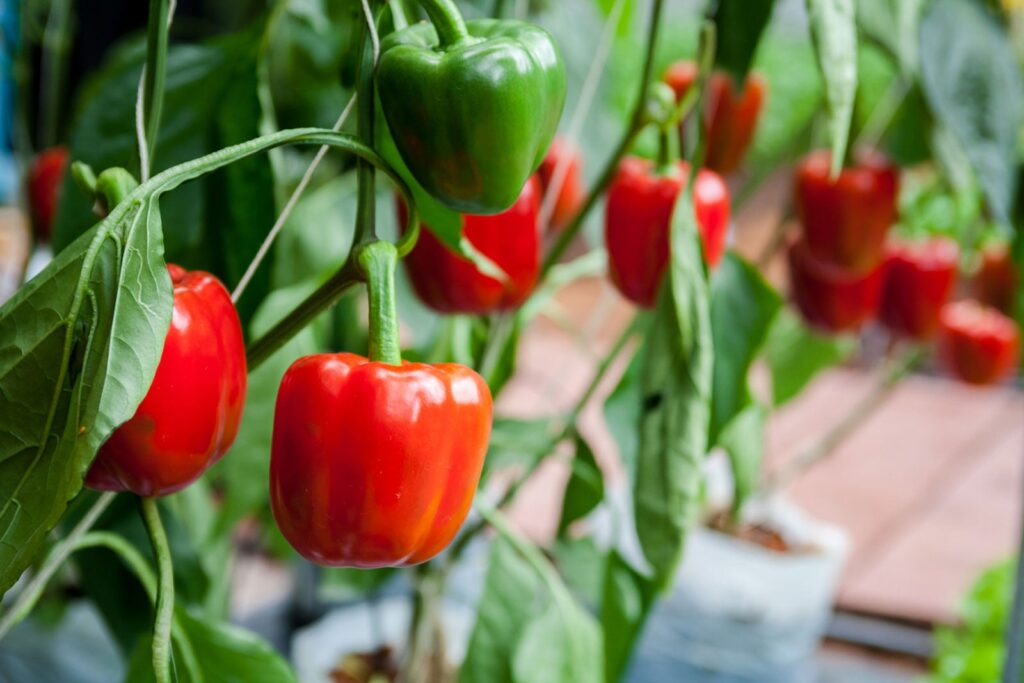
Peppers are a vibrant and versatile ingredient that can add flavor and excitement to many dishes. Whether you’re preparing antipasti, first courses, or complete meals (pepper-filled dishes!), it’s no wonder everyone wants to try their hand at growing peppers! With over 200 known species of peppers, there is something for every gardener and culinary enthusiast.
In this article, we’ll explore the world of pepper cultivation, covering everything from sowing seeds to harvesting. We’ll delve into the specifics of growing peppers in your garden or even in a pot. Whether you’re a seasoned gardener or just starting out, this comprehensive guide will provide you with all the knowledge you need to grow delicious and healthy peppers.
Growing Peppers in the Garden
Pepper cultivation is not overly complicated; follow our guidelines to grow peppers in your own backyard or… even indoors!
There are two primary methods for growing peppers: seeding and transplanting established seedlings. Let’s start with seeding.
Seeding Pepper Plants
To begin, sow pepper seeds at a depth of 1-2 cm (0.5-1 inch) in well-draining soil. If you’re using containers or indoor sowing methods, make sure the potting mix is soft and free of rocks. The germination process typically takes 3-4 weeks.
After approximately 8-10 weeks, pepper plants will be ready for transplanting. When the plant reaches a height of 15-20 cm (6-8 inches), it’s time to move them outdoors or into larger containers.
Choosing the Right Time
Before planting seeds or transplanting seedlings, consider the climate and region you’re in. The ideal temperature range for pepper growth is between 16°C and 28°C (61°F – 82°F). When sowing seeds, it’s best to wait until January or February for indoor containers or March/April for outdoor plots.
Pruning Pepper Plants
Proper pruning is essential for healthy plant development. Prune your pepper plants every week to encourage bushy growth and prevent pests from taking hold. Regular pruning also helps maintain soil quality by reducing weeds and debris.
- Remove lower leaves: Remove the lower leaves of your pepper plants to improve air circulation and reduce moisture accumulation.
- Pinch off flower buds: Pinch off flower buds to direct the plant’s energy towards fruit production.
- Cut back leggy growth: Cut back leggy growth to promote bushy growth and prevent the plant from becoming too tall.
Watering Pepper Plants
While it’s crucial not to overwater, peppers still need consistent moisture. Be sure to provide about 1 inch of water per week, either through rainfall or irrigation. Monitor your plants’ condition to avoid root rot and other issues that may arise from excessive watering.
- Check soil moisture: Check the soil moisture by inserting a finger into the soil up to the knuckle.
- Avoid getting water on leaves: Avoid getting water on the leaves to prevent fungal diseases and leaf spot.
- Mulch around plants: Mulch around your pepper plants to retain moisture, suppress weeds, and regulate soil temperature.
Fertilization and Pest Control
A balanced diet is essential for pepper plant growth. Feed your pepper plants with a nutrient-rich fertilizer, such as compost tea or organic fertilizers. Keep an eye out for pests like aphids, whiteflies, and spider mites, which can be controlled through integrated pest management techniques.
- Use natural pesticides: Use natural pesticides, such as neem oil or insecticidal soap, to control pests.
- Introduce beneficial insects: Introduce beneficial insects, such as ladybugs or lacewings, to control pests.
- Practice crop rotation: Practice crop rotation to reduce the risk of pests and diseases.
Harvesting Peppers
Peppers are ready to harvest when they reach their full color and firmness. Check the plant regularly to avoid over-maturity, as this can cause peppers to become too soft or develop off-flavors.
- Check for color: Check the pepper for its characteristic color, whether it’s red, green, yellow, orange, or purple.
- Check for firmness: Check the pepper for its firmness by gently squeezing it.
- Harvest at the right time: Harvest peppers when they are fully ripe and ready to eat.
Pepper varieties differ in size and ripeness. For friggiatelli (peperoncini del fiume) peppers, wait until they’re 6-12 cm long before harvesting. These smaller peppers are best picked when the color is still green and slightly bitter.
By following these guidelines, you’ll be well on your way to growing delicious and healthy peppers in your own garden or indoor space!
FAQs
- What’s the ideal time for planting pepper seeds indoors vs. outdoors?
Indoor sowing can start as early as January/February, while outdoor sowing is best done after March/April.
-
How often should I water my pepper plants?
Water your pepper plants when the top 1 inch of soil feels dry to the touch, usually once a week. -
Can I grow peppers in containers?
Yes! Peppers can thrive in pots with well-draining soil and proper care. -
What is the best fertilizer for growing peppers?
Organic fertilizers, such as compost tea or natural fertilizers, promote healthy plant growth without causing harm to the environment. -
How do I prevent pests from taking over my pepper plants?
Regular pruning, integrated pest management techniques, and a balanced diet of nutrients will help maintain your pepper plants’ health and resilience against pests.
-
Can peppers be grown in shady conditions?
While most pepper varieties require at least 4-6 hours of direct sunlight per day, some can tolerate partial shade. However, keep in mind that reduced light may lead to weaker growth and less flavorful peppers. -
How do I know when my pepper plants are ready for harvesting?
Peppers are ripe when they reach their full color and firmness. Regularly check your plant’s condition to avoid over-maturity.
- What is the optimal temperature range for growing peppers?
Maintain a consistent temperature of between 16°C and 28°C (61°F – 82°F) for ideal growth and flavor development.


