
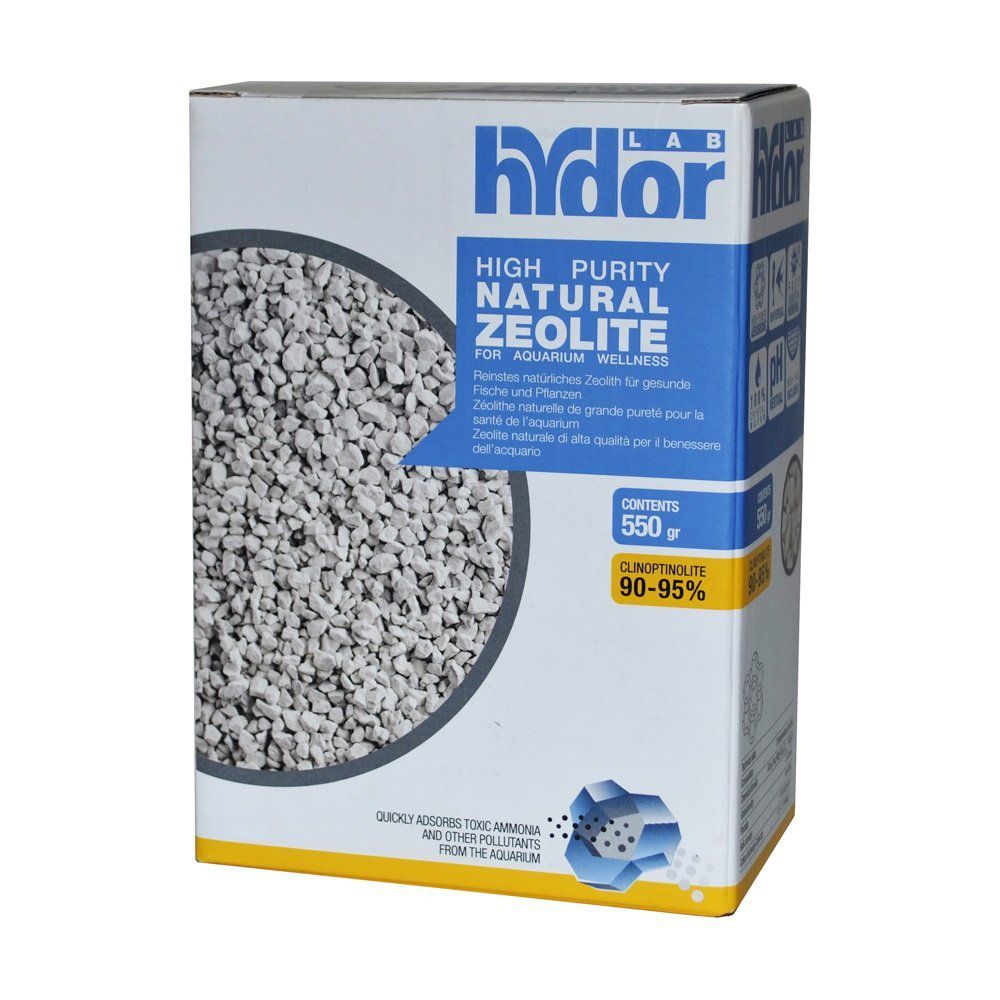
As an aquarium enthusiast, you’re likely familiar with the importance of maintaining a healthy and balanced ecosystem. One key component that can make all the difference is zeolite, a naturally occurring mineral that’s often used to remove ammonia from the water. But what exactly is zeolite, and how does it work? In this article, we’ll delve into the world of zeolite in aquariums, exploring its benefits, uses, and limitations.
What is Zeolite, and What Does It Do?
Zeolite is a type of mineral that’s composed of silicates and aluminum. Its unique structure allows it to absorb and exchange ions, making it an effective tool for removing ammonia from the water. When zeolite comes into contact with ammonia-rich water, it absorbs the ammonium ion (NH4+) and replaces it with a sodium ion (Na+), effectively neutralizing the ammonia.
But why is this important? Ammonia is toxic to fish and other aquatic organisms, causing stress, illness, and even death. By removing ammonia from the water, zeolite helps create a healthier environment for your aquatic pets.
When to Use Zeolite
While zeolite can be a valuable tool in maintaining a healthy aquarium, it’s not always necessary. In fact, using zeolite too frequently or for extended periods can do more harm than good. Here are some scenarios where you might consider using zeolite:
- When you suspect an ammonia spike: If you notice a sudden increase in ammonia levels, adding zeolite can help absorb the excess.
- During fish introduction: Introducing multiple fish at once can lead to increased ammonia production. Adding zeolite can help mitigate this issue.
- With slow-moving systems or heavy biological load: Zeolite can help remove accumulated toxins and waste products from the water.
However, there are situations where it’s best not to use zeolite:
- In newly established tanks: Removing too much ammonia at once can hinder the development of beneficial bacteria in the tank.
- With sensitive fish populations: Some species may be more susceptible to the effects of zeolite, so it’s essential to research compatibility before adding zeolite to your tank.
The Difference Between Zeolite and Carbon Activated
Many aquarium enthusiasts confuse zeolite with activated carbon, but they serve different purposes. While both can help remove toxins from the water, their mechanisms of action are distinct:
- Activated carbon: Absorbs a wide range of chemicals, including ammonia, nitrite, and nitrate.
- Zeolite: Specifically targets ammonium ions (NH4+) and exchanges them for sodium ions (Na+).
Choosing the Right Zeolite for Your Aquarium
With so many options available, it can be daunting to select the right zeolite for your aquarium. Here are some factors to consider:
- Compatibility: Ensure the zeolite is compatible with your aquarium’s water chemistry and biological load.
- Quality: Look for high-quality products from reputable manufacturers that guarantee efficacy and durability.
- Dosage instructions: Follow the recommended dosage guidelines to avoid overloading your tank.
Regenerating Your Zeolite
One of the most critical considerations when using zeolite in your aquarium is its lifespan. Over time, zeolite can become saturated with toxins and lose its effectiveness. Here’s how to regenerate your zeolite:
- Rinse the zeolite thoroughly under cold running water to remove any impurities.
- Soak the zeolite in a saltwater solution (at least 5% salinity) for at least 24 hours.
- Remove the zeolite from the solution and allow it to air dry for one or two days.
Common Mistakes to Avoid When Using Zeolite
To get the most out of your zeolite, it’s essential to avoid common mistakes:
- Overloading: Adding too much zeolite can lead to an overabundance of sodium ions in the water, causing toxicity.
- Underloading: Failing to provide enough zeolite can result in inadequate ammonia removal, leading to stressed fish and other aquatic organisms.
- Inadequate regeneration: Not properly regenerating your zeolite can lead to decreased effectiveness over time.
Tips for Using Zeolite Effectively
To get the most out of your zeolite, follow these tips:
- Regularly monitor ammonia levels to ensure optimal removal.
- Use zeolite in conjunction with other water treatment methods, such as activated carbon and beneficial bacteria supplements.
- Perform regular water changes to maintain optimal water quality.
Conclusion
Zeolite can be a valuable tool in maintaining a healthy and balanced aquarium ecosystem. By understanding its benefits, uses, and limitations, you can make informed decisions about when and how to use zeolite in your tank. Remember to follow proper dosage instructions, choose high-quality products, and monitor your tank’s biological load to ensure optimal results.
Frequently Asked Questions
Q: How often should I replace my zeolite?
A: Replace your zeolite every 6 weeks or according to the manufacturer’s guidelines.
Q: Can I use zeolite in both freshwater and saltwater aquariums?
A: Yes, but be sure to choose a product specifically designed for the type of water chemistry you’re using.
Q: How long does it take for zeolite to regenerate after soaking?
A: Allow at least 24 hours for zeolite regeneration after soaking.


