
Introduction
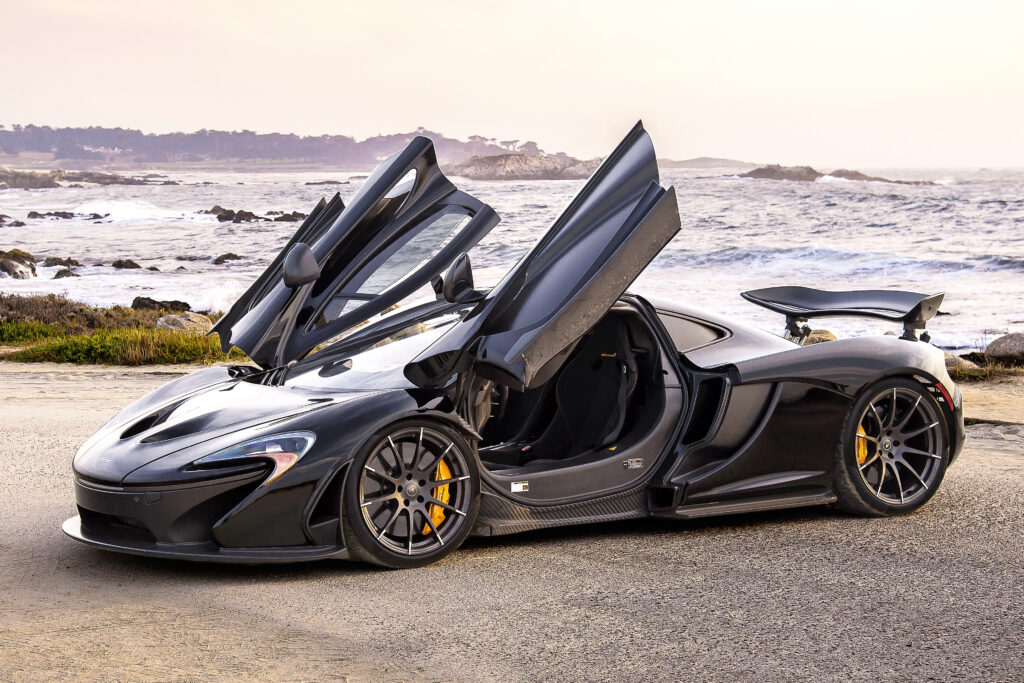
In recent years, the automotive world has undergone a significant shift in its perspective towards electric and hybrid vehicles. What was once considered an unconventional choice for racing cars is now becoming increasingly popular among manufacturers. The McLaren P1, launched at the Geneva Motor Show in 2013, embodies this transformation, showcasing the potential of electrification in high-performance sports cars.
A New Era in Racing Cars
The traditional perception of electric and hybrid vehicles was once rooted in skepticism, with many racing car enthusiasts dismissing them as inferior to their gas-guzzling counterparts. However, recent breakthroughs in technology have proven that electrification can indeed produce powerful, attractive, and exciting cars. The McLaren P1 is a prime example of this trend.
The Birth of the McLaren P1
The McLaren P1 was unveiled at the Geneva Motor Show in 2013, marking an important milestone in the company’s history. This all-electric supercar is designed to make its racing debut at the Goodwood Festival of Speed in July. The name “P1” stands for “first place,” a nod to McLaren’s Formula One heritage.
Meet the Powerhouse: Electric Motor and V8 Twin Turbo Engine
The McLaren P1 combines an extremely powerful electric motor with a 3.8-liter V8 Twin Turbo engine from the 12C, resulting in a combined output of 916 horsepower and 900 Nm (662 lb-ft) of torque. This remarkable powerplant allows the supercar to reach speeds of up to 350 km/h (217 mph), limited electronically.
Accelerating Faster Than Ever
The McLaren P1 boasts an impressive acceleration profile, accelerating from 0-100 km/h in under three seconds and 0-200 km/h in under seven seconds. The electric motor provides a significant thrust boost, making the supercar feel even more responsive. If that’s not fast enough, it can reach 300 km/h (186 mph) in under 17 seconds.
Lightweight Construction: Aerodynamics Meets Electrification
While the McLaren P1 may appear low to the ground due to its sleek design, its construction is actually remarkably lightweight, thanks to the use of carbon fiber. This material choice not only aids in reducing weight but also ensures that aerodynamics plays a crucial role in delivering exceptional performance.
Technical Details: A Closer Look
The McLaren P1 features thin LED lights, an essential cockpit, and showcases itself as a technological gem. Although only 375 fortunate drivers will be able to take the wheel of this incredible supercar, its presence is sure to leave a lasting impact on the automotive world.
Design Elements
The McLaren P1 boasts a striking design that sets it apart from other high-performance sports cars. Its sleek and aerodynamic bodywork is designed to reduce drag and improve downforce, allowing the supercar to corner with ease and achieve incredible speeds.
Interior Features
Inside the McLaren P1, drivers will find a luxurious and well-appointed interior that provides an unparalleled driving experience. The cockpit is designed to be intuitive and ergonomic, with features such as a 7-inch touchscreen display and a state-of-the-art infotainment system.
Safety Features
The McLaren P1 is equipped with advanced safety features, including traction control, stability control, and anti-lock braking. These systems work in tandem to provide maximum safety and control, even at high speeds.
Conclusion
The McLaren P1 represents a significant turning point in the history of racing cars. As manufacturers continue to explore new frontiers in electrification and hybridization, this pioneering vehicle sets the stage for an exciting future in the world of high-performance sports cars.
Frequently Asked Questions (FAQs)
Q: What is the combined output of the McLaren P1’s electric motor and V8 Twin Turbo engine?
A: The supercar produces a combined output of 916 horsepower and 900 Nm (662 lb-ft) of torque.
Q: When did the McLaren P1 debut at the Geneva Motor Show?
A: The McLaren P1 was unveiled at the Geneva Motor Show in 2013.
Q: What is the top speed of the McLaren P1?
A: Limited electronically, the supercar can reach speeds of up to 350 km/h (217 mph).
Q: How long does it take for the McLaren P1 to accelerate from 0-100 km/h?
A: It accelerates from 0-100 km/h in under three seconds.
Q: What is the significance of the name “P1” on the McLaren P1?
A: The name “P1” stands for “first place,” referencing McLaren’s Formula One heritage.
Q: How many fortunate drivers will be able to take the wheel of the McLaren P1?
A: Only 375 drivers will have the privilege of driving this incredible supercar.
Q: What materials does the McLaren P1 use in its construction?
A: The supercar is constructed from lightweight materials, including carbon fiber.
Q: Can the McLaren P1 reach 300 km/h (186 mph) in under 17 seconds?
A: Yes, it can accelerate to 300 km/h (186 mph) in under 17 seconds.
Q: What is the primary function of the electric motor in the McLaren P1?
A: The electric motor provides a significant thrust boost, making the supercar feel even more responsive.
Q: Is the McLaren P1 an all-electric vehicle or a plug-in hybrid?
A: The McLaren P1 is an all-electric supercar that combines a V8 Twin Turbo engine with an extremely powerful electric motor.
Specifications and Performance
- Engine: 3.8-liter V8 Twin Turbo
- Electric Motor: 53 kWh battery pack, 887 horsepower
- Transmission: 7-speed dual-clutch automatic
- Drive Type: All-wheel drive
- Suspension: Adaptive suspension system
- Brakes: Carbon-ceramic disc brakes
- Wheels: 20-inch alloy wheels
- Length: 4,650 mm (183.1 in)
- Width: 1,980 mm (78.0 in)
- Height: 1,070 mm (42.3 in)
- Curb Weight: 1,450 kg (3,197 lb)
Racing Debut
The McLaren P1 made its racing debut at the Goodwood Festival of Speed in July 2014. The supercar competed against other high-performance sports cars, showcasing its impressive acceleration and handling capabilities.
Innovative Technology
The McLaren P1 features a range of innovative technologies that set it apart from other high-performance sports cars. These include a state-of-the-art infotainment system, a sophisticated traction control system, and an advanced stability control system.
Conclusion
The McLaren P1 is a revolutionary hybrid supercar that represents the future of high-performance sports cars. Its unique combination of electric and internal combustion power makes it one of the most exciting vehicles on the market today. With its impressive acceleration, handling capabilities, and innovative technology features, the McLaren P1 is sure to leave a lasting impact on the automotive world.
Future Developments
As manufacturers continue to explore new frontiers in electrification and hybridization, the future looks bright for high-performance sports cars. The McLaren P1 has paved the way for other manufacturers to follow suit, resulting in a range of innovative and exciting vehicles.
- Mercedes-AMG GT 63 S 4MATIC+: This plug-in hybrid supercar combines a V8 engine with an electric motor, producing a combined output of 751 horsepower.
- Porsche 911 Turbo S E-Hybrid: This high-performance sports car features a 3.0-liter V6 engine and an electric motor, producing a combined output of 690 horsepower.
- BMW M5 Competition: This plug-in hybrid muscle car combines a V8 engine with an electric motor, producing a combined output of 600 horsepower.
These vehicles represent the latest advancements in electrification and hybridization, showcasing the potential for high-performance sports cars to become even more exciting and innovative.
Conclusion
The McLaren P1 is a pioneering vehicle that has opened up new possibilities for manufacturers to create high-performance sports cars. Its unique combination of electric and internal combustion power makes it one of the most exciting vehicles on the market today. With its impressive acceleration, handling capabilities, and innovative technology features, the McLaren P1 is sure to leave a lasting impact on the automotive world.
The Impact of the McLaren P1
The McLaren P1 has had a significant impact on the automotive industry, paving the way for other manufacturers to explore new frontiers in electrification and hybridization. Its innovative design, advanced technology features, and impressive performance capabilities have raised the bar for high-performance sports cars.
- Increased Adoption of Hybrid Technology: The McLaren P1’s success has led to increased adoption of hybrid technology among manufacturers, resulting in a range of innovative plug-in hybrid vehicles.
- Improved Performance Capabilities: The McLaren P1’s impressive acceleration and handling capabilities have set a new standard for high-performance sports cars, pushing manufacturers to improve their own designs and technologies.
- Enhanced Environmental Sustainability: The McLaren P1’s use of electric power has highlighted the importance of environmental sustainability in the automotive industry, leading to increased investment in hybrid and electric vehicle technology.
Conclusion
The McLaren P1 is a revolutionary hybrid supercar that has opened up new possibilities for manufacturers to create high-performance sports cars. Its innovative design, advanced technology features, and impressive performance capabilities have raised the bar for the industry, pushing manufacturers to explore new frontiers in electrification and hybridization.
As manufacturers continue to push the boundaries of what is possible with electrification and hybridization, the future looks bright for high-performance sports cars. With the McLaren P1 leading the way, we can expect to see even more innovative and exciting vehicles on the market in the years to come.


