
As a cat lover, you’re likely no stranger to the joys of sharing your home with a feline friend. However, one aspect of cat ownership can be downright frustrating: their hair change. Also known as molting, this process can leave you and your cat covered in loose hair, making everyday life a challenge.
In this article, we’ll delve into the world of feline hair change, exploring what causes it, when it happens, and how to manage it.
What is Feline Hair Change?
Feline hair change is a natural process that occurs in cats as they transition from one coat type to another. This can happen twice a year, typically in the spring and autumn, although the frequency and timing may vary depending on factors such as climate and geographic location.
Understanding this process is essential for cat owners who want to minimize the impact of hair change on their daily lives.
When Does Feline Hair Change Occur?
The two main periods of feline hair change are:
- Spring: As the weather warms up, your cat’s coat changes from its thick winter fur to a lighter, more summer-like coat. This process typically starts in late March or early April and can last for several weeks.
- Autumn: Conversely, as the temperatures drop, your cat’s coat transforms back into its thicker, warmer fur. This process usually begins in September or October and can last until November.
Why Does Feline Hair Change Happen?
Feline hair change is an adaptation mechanism that allows cats to regulate their body temperature. The two coats serve different purposes:
- The thick winter coat provides insulation and warmth, helping your cat conserve energy during the colder months.
- The lighter summer coat helps to keep your cat cool and comfortable in warmer temperatures, reducing the risk of overheating.
Why Do Cats Shed Their Fur?
Cats shed their fur for several reasons:
- Seasonal changes: As mentioned earlier, feline hair change is a natural process that occurs twice a year. During these periods, cats shed their old coat to make way for a new one.
- Grooming: Cats groom themselves regularly, and shedding is an integral part of this process. They remove loose hair and dead skin cells from their coats using barbs on their tongue and cheeks.
- Health and hygiene: Shedding helps cats remove parasites like fleas, ticks, and mites that may be living in their fur.
Managing Feline Hair Change
While it may be tempting to try to eliminate the hair change, it’s essential to understand that this process is a natural part of your cat’s life cycle. That being said, there are ways to minimize the impact:
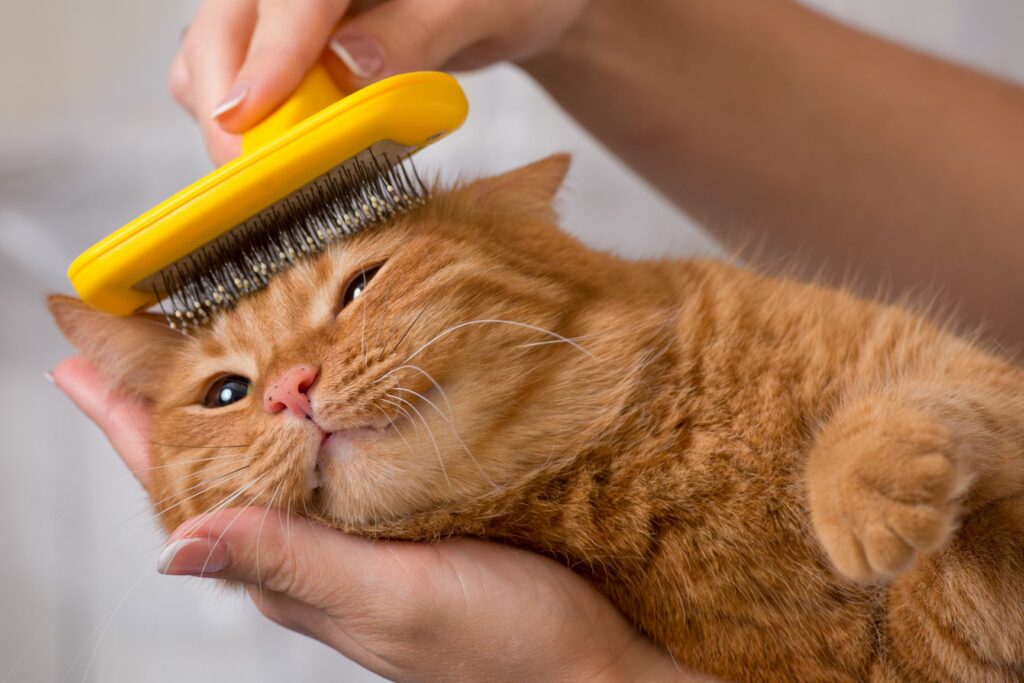
- Regular grooming: Brushing your cat regularly can help reduce shedding and prevent hair from getting everywhere. Use a brush or comb specifically designed for cats to avoid causing discomfort.
- Vacuum frequently: Use a vacuum cleaner with a HEPA filter to trap loose hair and prevent it from spreading throughout your home. Consider investing in a robot vacuum for added convenience.
- Wash fabrics: Wash your cat’s bedding, blankets, and clothing regularly to remove accumulated hair.
Special Considerations for Cat Owners
While feline hair change is not typically a cause for concern, there are some situations where it may be worth investigating further:
- Excessive shedding: If your cat is experiencing excessive shedding or losing large amounts of hair, it could be a sign of an underlying health issue. Consult with your veterinarian to rule out any potential problems.
- Skin problems: In rare cases, feline hair change can be associated with skin conditions such as dandruff or eczema. If you notice any unusual skin issues or redness, consult with your veterinarian for advice.
Tips for Managing Cat Hair
While managing your cat’s hair may seem like a daunting task, there are some simple tips to make it more manageable:
- Use the right tools: Invest in a good quality brush or comb specifically designed for cats.
- Regular grooming can help reduce shedding and prevent hair from getting everywhere.
Common Myths About Feline Hair Change
There are several common myths surrounding feline hair change that are worth debunking:
- Myth: Feline hair change is a sign of aging.
- Reality: Feline hair change is a natural process that occurs in cats as they transition from one coat type to another. It’s not necessarily related to age.
- Myth: You can’t control when your cat sheds its fur.
- Reality: While you can’t control the timing, regular grooming and vacuuming can help minimize the impact.
Conclusion
Feline hair change is a natural process that occurs in cats as they transition from one coat type to another. By understanding what causes it, when it happens, and how to manage it, you can make everyday life easier for both you and your feline friend.
Remember to be patient with your cat during the hair change process. With regular grooming and vacuuming, you can minimize the impact of shedding and keep your home clean and comfortable.
FAQs
Q: When does feline hair change occur?
A: Feline hair change typically occurs twice a year, in the spring and autumn, although the frequency and timing may vary depending on factors such as climate and geographic location.
Q: Why does feline hair change happen?
A: Feline hair change is an adaptation mechanism that allows cats to regulate their body temperature. The two coats serve different purposes: the thick winter coat provides insulation and warmth, while the lighter summer coat helps to keep your cat cool and comfortable in warmer temperatures.
Q: How can I manage feline hair change?
A: Regular grooming, vacuuming frequently, and washing fabrics regularly can help minimize the impact of feline hair change.


