
Sensitive Teeth: Remedies and Dentifrices
What are Sensitive Teeth?
Sensitive teeth can be a real nuisance, causing discomfort and even pain at the slightest touch of hot or cold temperatures. It’s not just a minor annoyance; it can be a major issue if left unchecked. Besides temperature changes, sensitive teeth can also react to chemical and mechanical stimuli, such as spicy foods, harsh toothpaste, or vigorous brushing.
Causes of Sensitive Teeth
Sensitive teeth can be caused by both pathological and non-pathological factors. In the case of pathological causes, sensitive teeth can result from early or advanced stages of tooth decay or the presence of cracked teeth. On the other hand, if we consider non-pathological causes, we can talk about cases of root denudation, often as a consequence of aggressive brushing or gum recession.
Symptoms of Sensitive Teeth
The symptoms are acute and pungent, brief but violent, when sweet, acidic, hot, or cold foods come into contact with the teeth. Even if you don’t eat anything, vigorous brushing or using water at too low a temperature can cause discomfort. Similarly, chewing gum with excessive force or mouthwash can also trigger sensitivity.
Remedies for Sensitive Teeth
Sensitive teeth remain sensitive, but there are ways to alleviate your suffering. Here are some natural remedies and dentifrices that may help:
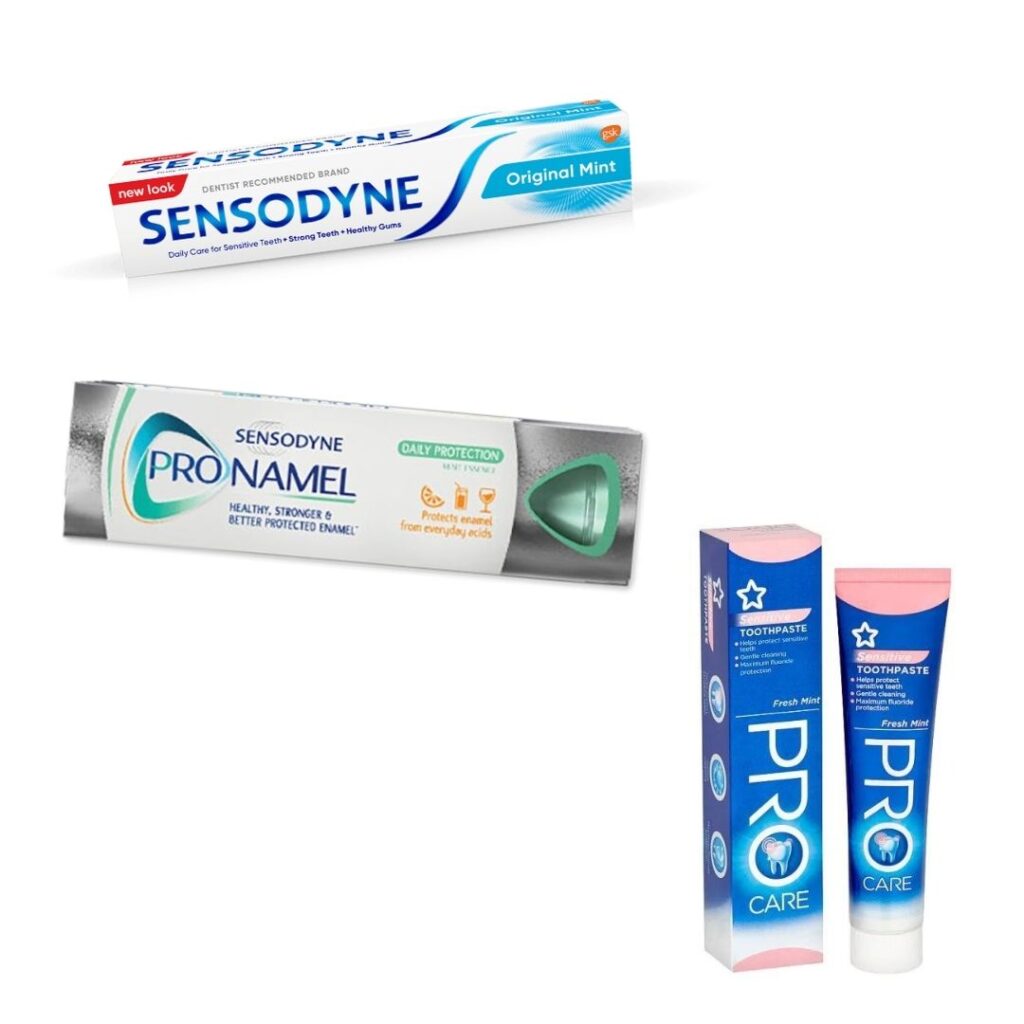
- Dentifrici: The right toothpaste is crucial. Look for products containing ingredients like potassium nitrate or strontium chloride, which can help desensitize nerves.
- “Aloedent” is another option for sensitive teeth and gum sensitivity. It also helps prevent caries, plaque, tartar, and gum problems.
- Pasta del Capitano with mint bio is a popular choice for people with sensitive teeth.
The Role of Fluoride in Sensitive Teeth
Fluoride has been widely recognized as an effective remedy for sensitive teeth. It helps to strengthen tooth enamel and reduce the sensitivity caused by dentinal tubules. This can be achieved through various methods, such as:
- Toothpaste containing fluoride: Choose a toothpaste with high levels of fluoride (e.g., 1,000-1,500 ppm) for optimal results.
- Fluoride varnishes: Apply a fluoride varnish to the teeth to provide an extra layer of protection.
The Benefits of Oil Pulling
Oil pulling is an ancient practice that involves swishing oil in the mouth to reduce inflammation and sensitivity. Some benefits of oil pulling include:
- Reduced inflammation: Oil pulling can help reduce inflammation in the gums, which can lead to sensitive teeth.
- Improved oral health: Regular oil pulling can help remove bacteria and plaque from the teeth.
- Enhanced digestion: Oil pulling may also aid in digestion by reducing inflammation in the digestive tract.
The Importance of Brushing Technique
Brushing technique plays a crucial role in preventing sensitive teeth. When brushing, it’s essential to:
- Use gentle circular motions
- Avoid using too much force or pressure
- Focus on the gum line and pay special attention to areas around sensitive teeth
Dietary Changes for Sensitive Teeth
Certain foods can exacerbate sensitive teeth, while others may help alleviate symptoms. Here are some dietary changes to consider:
- Avoid acidic foods: Acidic foods like citrus fruits, tomatoes, and vinegar-based dressings can erode tooth enamel and worsen sensitivity.
- Eat crunchy fruits and vegetables: Crunchy fruits and vegetables like apples, carrots, and celery can help stimulate saliva production, which can help neutralize acid and remineralize teeth.
- Incorporate calcium-rich foods: Calcium-rich foods like milk, cheese, and yogurt can help strengthen tooth enamel and reduce sensitivity.
Natural Remedies for Sensitive Teeth
Certain natural remedies may help alleviate sensitive teeth. Some of these include:
- Activated charcoal: Activated charcoal can help absorb fluoride in the mouth and reduce sensitivity.
- Baking soda: Baking soda can help neutralize acid and remineralize teeth, reducing sensitivity.
- Desensitizing toothpaste with potassium nitrate: Potassium nitrate is a common ingredient in desensitizing toothpastes that can help block dentinal tubules and reduce sensitivity.
Conclusion
Sensitive teeth can be a real challenge, but there are many remedies and dentifrices available to alleviate discomfort. By understanding the causes of sensitive teeth and trying out different natural remedies, you may find relief from this annoying issue. Additionally, maintaining good oral hygiene practices, including brushing technique and dietary changes, can also go a long way in preventing sensitive teeth.


