
Introduction
Imagine walking down the street and spotting a vibrant, colorful piece of fabric that catches your eye. The intricate patterns and designs seem to dance across the surface, telling a story of sun-kissed Africa. This is the world of batik, a traditional African textile technique that has been captivating audiences for centuries. In this article, we’ll delve into the history, characteristics, and production of batik, as well as its significance in modern times.
What are Batik Textiles?
Batik textiles are characterized by their bright colors, striking patterns, and geometric shapes. These African prints have become a staple in fashion worldwide, with designers incorporating them into various styles and trends. The term “batik” comes from the Indonesian words “amba” (to write) and “titik” (dot or point), which refers to the technique used to create these unique designs.
Types of Batik Designs
Batik textiles feature a wide range of designs, including:
- Cemurikan: A design featuring rays, often representing the sun.
- Kawung: A symbol associated with the number four, representing abundance and prosperity.
- Gringsing: A pattern resembling scales, inspired by fish.
- Nitik: An Indian-inspired design featuring small squares.
- Parang Rusak: A broken sword symbolizing power and nobility.
- Sawat: Representing the wings of the mythical Garuda bird, symbolizing power and strength.
- Senen: A recurring motif representing the energy that animates the universe.
- Udan Liris: A light rain symbolizing fertility and connection to the earth.
- Tambal: A patchwork design featuring different geometric shapes.
The Origins of Batik
The batik textiles we see today are, in fact, copies of the original Indonesian batik. The Dutch traders who traveled to Asia in the 1940s discovered these beautiful fabrics and were inspired by the technique. They adapted it to create a more affordable alternative for African markets, leading to the widespread popularity of batik in Africa.
The Evolution of Batik
As trade expanded, other cultures entered the market, including the Chinese. This led to the creation of two distinct markets: one for high-end, European-made batik and another for cheaper, mass-produced batik from China. Companies like Vlisco, a historic Dutch textile firm, have remained leaders in producing premium wax batik.
Batik’s Impact on Modern Culture
Batik has become an integral part of African culture, with its influence visible in popular media such as films and social platforms. These textiles are not only stunning works of art but also carry deep cultural significance, evoking a sense of belonging to Africa while embracing modernity.
Conclusion
Batik is more than just a textile; it’s a window into the rich cultural heritage of Africa. By understanding its history, characteristics, and production, we can appreciate the beauty and significance of this traditional African technique. Whether in fashion or art, batik continues to captivate audiences worldwide with its vibrant colors and intricate designs.
Frequently Asked Questions
- What is batik?
Batik is a traditional African textile technique that involves applying wax to fabric, creating intricate patterns and designs. - Where did the term “batik” originate?
The term “batik” comes from the Indonesian words “amba” (to write) and “titik” (dot or point), which refers to the technique used to create these unique designs. - What are some common batik designs?
Some common batik designs include Cemurikan, Kawung, Gringsing, Nitik, Parang Rusak, Sawat, Senen, Udan Liris, and Tambal. - Who popularized batik in Africa?
Dutch traders who traveled to Asia in the 1940s discovered and adapted the Indonesian batik technique to create a more affordable alternative for African markets. - What is the significance of batik in modern culture?
Batik has become an integral part of African culture, carrying deep cultural significance and evoking a sense of belonging to Africa while embracing modernity. - How has trade affected the production of batik?
Trade has led to the creation of two distinct markets: one for high-end, European-made batik and another for cheaper, mass-produced batik from China. - What is Vlisco’s role in the batik industry?
Vlisco is a historic Dutch textile firm that remains a leader in producing premium wax batik. - How can I incorporate batik into my wardrobe or home decor?
Batik textiles can be incorporated into various styles and trends, from fashion to art, and can add a touch of African culture to any space.
Interesting Facts About Batik
- Batik is one of the oldest known textile techniques in Africa.
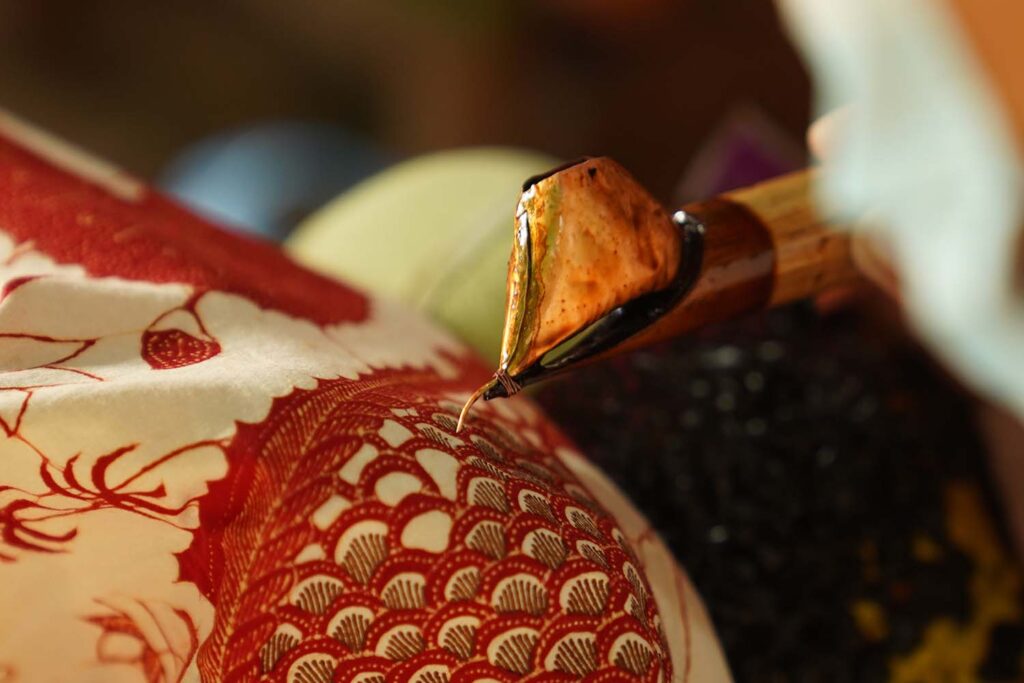
- The process of creating batik involves applying wax to fabric using a tool called a canting or a braid knife.
- The design patterns on batik textiles can be quite intricate, with some featuring up to several hundred different colors and motifs.
- Batik is often used in traditional African clothing, such as dashikis, kaftans, and kimonos.
- In many African cultures, batik is also used for decorative purposes, such as wall hangings, tablecloths, and placemats.
The Art of Batik
Batik is not just a textile technique; it’s an art form that requires patience, skill, and attention to detail. The process of creating batik involves several steps:
- Preparation: The fabric is washed, dried, and treated with a special solution called the “pantulan” or wax.
- Designing: The design for the batik is created using a technique called “canting.”
- Applying Wax: The wax is applied to the fabric using a canting or braid knife.
- Removing Wax: The wax is removed from the fabric using a heat source, such as an iron or a blowtorch.
- Washing: The batik is washed to remove any remaining wax residue.
Conclusion
Batik is a unique and fascinating textile technique that has been captivating audiences for centuries. Its rich history, vibrant colors, and intricate designs have made it a staple in African culture. Whether you’re interested in fashion, art, or cultural heritage, batik is definitely worth exploring.


