
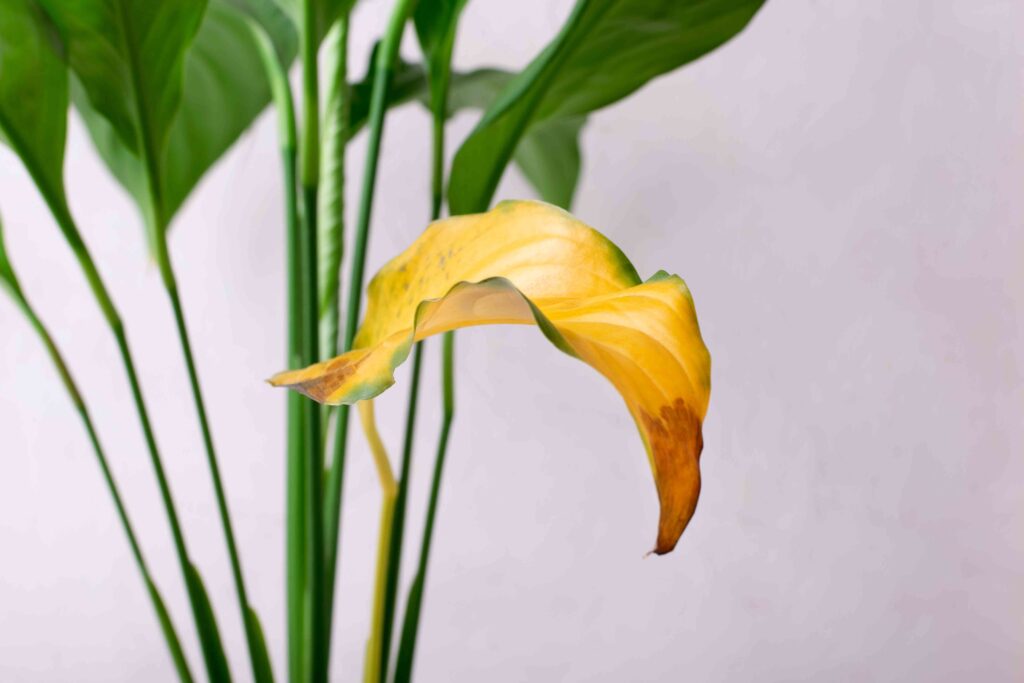
As a plant parent, there’s nothing more frustrating than seeing your beloved philodendron fall ill. Whether it’s yellow tips, brown spots, or a general lack of blooming, these common issues can be treated with the right techniques and knowledge. In this comprehensive guide, we’ll delve into the world of philodendron care, exploring the causes, symptoms, and solutions for each ailment.
Understanding Philodendron Illnesses
Before we dive into the nitty-gritty, it’s essential to understand that philodendrons are relatively low-maintenance plants. However, they still require attention to thrive. By observing your plant’s behavior and identifying potential issues early on, you can take corrective action and prevent further damage.
White-Spotted Philodendron with Yellow Tips
When yellow tips appear on a philodendron, it’s usually a sign of nitrogen deficiency. This discoloration starts from the tip of the leaves and can spread to the entire leaf surface if left untreated.
- Symptoms: Yellow tips, lack of nitrogen
- Causes: Inadequate fertilization, neglecting potting
- Treatment:
- Emergency feeding with liquid fertilizer (1 tablespoon per gallon of water)
- Fertilize twice a year using a nitrogen-rich slow-release fertilizer (20-5-10 NPK ratio)
- Repot every 2-3 years or if roots are not visible from the drainage hole
- Prune off any damaged leaves to prevent further stress
Philodendron with Dry Tips
Plants exhibiting dry tips typically suffer from strong watering stress. This can be caused by poor-quality soil, an insufficient container size, or a prolonged repotting period.
- Symptoms: Dry tips, dehydration stress
- Causes: Repotting neglect, dry air, irregular watering, high ambient temperatures
- Treatment:
- Keep the plant in moderate temperatures (65-75°F/18-24°C) to promote healthy growth
- Provide shaded areas to prevent direct sunlight and heat stress
- Regularly water the plant, ensuring consistent moisture levels (1-2 inches of water per week)
- Nebulize the crown with a fine spray mist to maintain humidity (50-60%)
- Monitor soil moisture by sticking your finger into the soil up to the first knuckle
Philodendron with Brown or Discolored Leaves
Fungal diseases can cause brown spots or discoloration on philodendron leaves. These can be addressed using copper-based fungicides.
- Symptoms: Brown spots, fungal disease
- Causes: Fungal growth in soil and on leaf surfaces
- Treatment:
- Perform treatments with copper-based fungicides (1 tablespoon per gallon of water) every 15 days to prevent re-infestation
- Isolate the plant, placing it in a well-ventilated area to reduce humidity stress
- Cut off infected leaves to prevent spread and promote healing
- Improve air circulation around the plant by pruning nearby foliage
Philodendron that Does Not Bloom
Lack of attention can be the primary cause of a philodendron’s failure to bloom. This could be due to soil scarcity, watering stress, insufficient light, excessive light damage, or micronutrient deficiencies.
- Symptoms: Lack of blooming
- Causes: Soil scarcity, watering stress, insufficient light, excessive light damage, micronutrient deficiency
- Treatment:
- Consult the dedicated page on philodendrons that do not bloom for further guidance and troubleshooting
- Perform a soil analysis to identify nutrient deficiencies or imbalances
- Adjust watering schedules based on plant growth and environmental conditions
- Prune nearby foliage to improve air circulation and promote healthy growth
Common Mistakes to Avoid
- Overwatering: This can cause root rot, yellow tips, and a weakened plant structure.
- Underwatering: Prolonged drought can lead to dehydration stress, brown spots, and a lack of blooming.
- Insufficient Light: Philodendrons require bright, indirect light for optimal growth and flowering.
- Excessive Light Damage: Direct sunlight can cause scorched leaves, yellow tips, and a weakened plant structure.
Conclusion
Treating common philodendron illnesses requires attention to detail and a willingness to adapt your care routine. By understanding the causes and symptoms of each issue, you can take corrective action and prevent further damage. Remember, a healthy philodendron is a happy philodendron!
Frequently Asked Questions
- What is the best fertilizer for my philodendron?
- A balanced, water-soluble fertilizer with equal nitrogen, phosphorus, and potassium (e.g., 20-20-20) is ideal.
- How often should I repot my philodendron?
- Repot every 2-3 years or when the roots become visible from the drainage hole.
- Can I treat fungal diseases with neem oil?
- While neem oil can be used as a natural fungicide, copper-based fungicides are more effective against fungal growth in soil and on leaf surfaces.
- Why won’t my philodendron bloom?
- Consult the dedicated page for guidance on addressing potential causes of lack of blooming.
- Can I grow philodendrons outdoors year-round?
- While philodendrons can tolerate partial shade, direct sunlight can cause damage to stems and leaves. Consider growing them in a shaded area or providing protection during peak sun hours.
By following this comprehensive guide, you’ll be well-equipped to identify and treat common philodendron illnesses, ensuring your plant remains healthy, happy, and thriving for years to come.


