
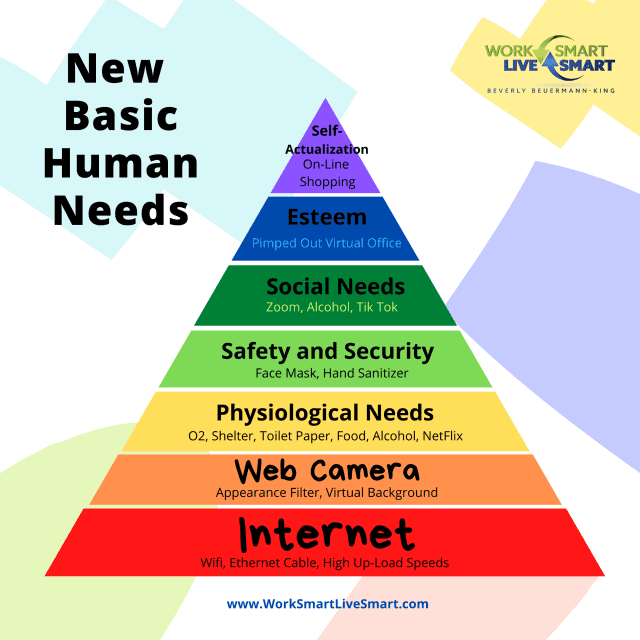
We are living in a period of unprecedented complexity, marked by a pandemic that has brought about an era of uncertainty and economic hardship. The past year has presented us with a situation completely new to none, yet it is one that we have all been forced to confront without precedent. Some industries have come to a complete standstill, while others have seen their activities severely impacted. Many workers are now in career transition, while others have lost their jobs entirely. Those who were already precarious have become even more vulnerable.
As we move forward, there is hope that the recovery will be underway thanks to vaccines and declining hospitalization rates, despite the uncertainty still lingering. What is certain, however, is that we will never forget this singular period in human history.
The Changing World
The world is constantly changing, and it’s no longer a choice, but a necessity. The COVID-19 pandemic has forced us to confront an unexpected shift in our daily lives: we’ve had to adapt rapidly to a new way of living that none of us knew existed before. In the blink of an eye, we had to adjust to this drastic transformation and find ways to thrive in a world where everything around us was changing.
It’s worth noting, however, that the current era is not a departure from past trends; rather, it represents the culmination of a revolution that started with the birth of the internet and expanded further with the advent of smartphones and mobile technology. The constant stream of information pouring into our devices has transformed us into humans who are in a state of perpetual connection. This relentless pace of change demands adaptability and resilience.
Adapting to Change
To survive and thrive in this era, it’s essential to learn how to navigate the complexities of life with ease. We’ve all heard the phrase “the only constant is change,” but what does that really mean? How can we prepare ourselves for an ever-changing world where nothing stays the same?
Adapting and integrating into reality is a means of consciously facing changes. The rapid pace of change makes it extremely challenging to keep up with the times. For this reason, seeking guidance from courses designed to help us cope with these transformations can be invaluable. For instance, those offered by Feltrinelli Education can provide valuable insight and support.
Additionally, developing our inner strength through practices such as meditation can play a significant role in helping us navigate life’s challenges. Meditation can serve as an essential tool for personal growth and self-awareness, allowing us to better understand ourselves and find meaning in the midst of chaos.
The Power of Mindfulness
Mindfulness is a practice that has gained immense popularity in recent years, but what exactly does it entail? Simply put, mindfulness involves being present in the moment, letting go of distractions, and focusing on your breath. This simple yet powerful technique can help you cultivate a greater sense of awareness and clarity.
By incorporating mindfulness into your daily routine, you’ll be better equipped to handle life’s challenges with ease. Mindfulness can also play a significant role in promoting emotional well-being and reducing stress levels.
The Importance of Self-Reflection
Self-reflection is an essential component of navigating the complexities of change. By taking the time to examine our thoughts, emotions, and behaviors, we can gain valuable insights into what drives us and how we respond to challenges. This increased self-awareness can help us make more informed decisions about our lives and find greater purpose in our actions.
Self-reflection is not a one-time activity; it’s an ongoing process that requires commitment and dedication. By incorporating regular reflection into your routine, you’ll be better equipped to handle life’s challenges with ease and find meaning in the midst of uncertainty.
Cultivating Resilience
Resilience is a crucial aspect of navigating the complexities of change. It involves developing the mental toughness necessary to handle unexpected challenges head-on and bounce back from setbacks. Cultivating resilience requires practice, patience, and dedication.
By learning new skills, practicing mindfulness, and staying open-minded, you’ll develop the mental resilience necessary to navigate life’s ups and downs with greater ease.
Conclusion
In conclusion, embracing complexity and change is not just about adapting to new situations; it’s also about understanding ourselves better and finding a way to thrive in this ever-changing world.
As we move forward from this period of unprecedented challenge, let us hold on to the lessons learned during these trying times. By acknowledging our ability to adapt, finding inner strength through practices like meditation, and staying connected with reality, we will be well-equipped to navigate life’s ups and downs.
Frequently Asked Questions (FAQs)
- What does it mean to “adapt” in today’s fast-paced world?
Adapting means learning to thrive in an ever-changing environment by adapting our habits, routines, and mindset accordingly. - How can I develop my inner strength through meditation?
To cultivate your inner strength, start with short meditation sessions each day. Practice mindfulness, focus on breath control, and explore the world of guided meditations available online. - Why is it crucial to stay connected with reality despite the distractions of technology?
Staying grounded in our daily lives allows us to better understand ourselves and find purpose amidst life’s complexities. - What role does self-reflection play in navigating change?
Self-awareness helps you understand your values, goals, and motivations. This insight enables you to make informed decisions about how to navigate changes that impact your life. - How can I cultivate resilience in the face of uncertainty?
By learning new skills, practicing mindfulness, and staying open-minded, you’ll develop the mental toughness necessary to handle unexpected challenges head-on. - Can technology ever truly be disconnected from our lives?
While it’s impossible to completely disconnect from technology, being mindful of how often we check devices can help us maintain a healthier balance between digital life and personal well-being. - What advice would you give someone struggling to cope with the rapid pace of change?
If facing uncertainty is challenging for you, consider seeking guidance from professionals or engaging in practices that promote mental resilience such as meditation, mindfulness, or connecting with nature. - How can I ensure a sense of purpose and meaning during times of transition?
Reflect on your values and passions to determine what drives you and where you want to go. By focusing on personal growth, building meaningful connections, and pursuing long-held goals, you’ll cultivate a sense of direction even in the midst of change.
By embracing complexity and change with an open mind, heart, and spirit, we can unlock our full potential and navigate life’s challenges with greater ease and resilience.


