
Understanding the Risks of Poor Circulation
Poor circulation can have serious consequences for our overall health and wellbeing. As our circulatory system works tirelessly to maintain optimal functioning, any disruptions can lead to a range of symptoms that can be uncomfortable and even debilitating. In this article, we’ll explore the risks of poor circulation, discuss the factors that contribute to it, and provide practical tips on how to improve blood flow.
The Role of Circulation in Our Overall Health
Our circulatory system plays a vital role in maintaining our overall health and wellbeing. It works tirelessly to deliver oxygen and nutrients to our cells, remove waste products, and regulate body temperature. However, when circulation is impaired, it can lead to a range of symptoms that can impact our quality of life.
The Importance of Blood Flow
Blood flow refers to the movement of blood through our circulatory system. It’s essential for delivering oxygen and nutrients to our cells, removing waste products, and regulating body temperature. Poor circulation can disrupt this process, leading to a range of health problems.
Factors That Contribute to Poor Circulation
Poor circulation is often caused by a combination of factors, including:
- Genetics: Some people may be more prone to poor circulation due to their genetic makeup.
- Lifestyle habits: A sedentary lifestyle, smoking, and excessive weight can all contribute to poor circulation.
- Medical conditions: Certain medical conditions, such as diabetes, high blood pressure, and heart disease, can also affect circulation.
Recognizing the Symptoms of Poor Circulation
Poor circulation can manifest in a range of ways, including:
- Cold hands and feet
- Fatigue and weakness
- Swollen legs and ankles
- Shortness of breath
If you’re experiencing any of these symptoms, it’s essential to seek medical attention.
Causes of Poor Circulation
There are several causes of poor circulation, including:
- Atherosclerosis: This is a condition in which the arteries become narrowed or blocked due to the buildup of plaque.
- Varicose veins: These are enlarged and twisted veins that can cause swelling and pain in the legs.
- Deep vein thrombosis: This is a blood clot that forms in the deep veins, usually in the legs.
- Raynaud’s disease: This is a condition in which the arteries to the fingers and toes constrict or dilate abnormally.
Consequences of Poor Circulation
Poor circulation can have serious consequences for our overall health and wellbeing. These include:
- Cardiovascular disease: Poor circulation increases the risk of cardiovascular disease, including heart attacks and strokes.
- Peripheral artery disease: This is a condition in which the arteries to the legs become narrowed or blocked.
- Chronic fatigue syndrome: Poor circulation can contribute to chronic fatigue syndrome.
- Raynaud’s phenomenon: This is a condition in which the fingers and toes become cold, discolored, and painful.
Improving Circulation through Lifestyle Changes
Fortunately, there are several lifestyle changes that can help improve circulation. These include:
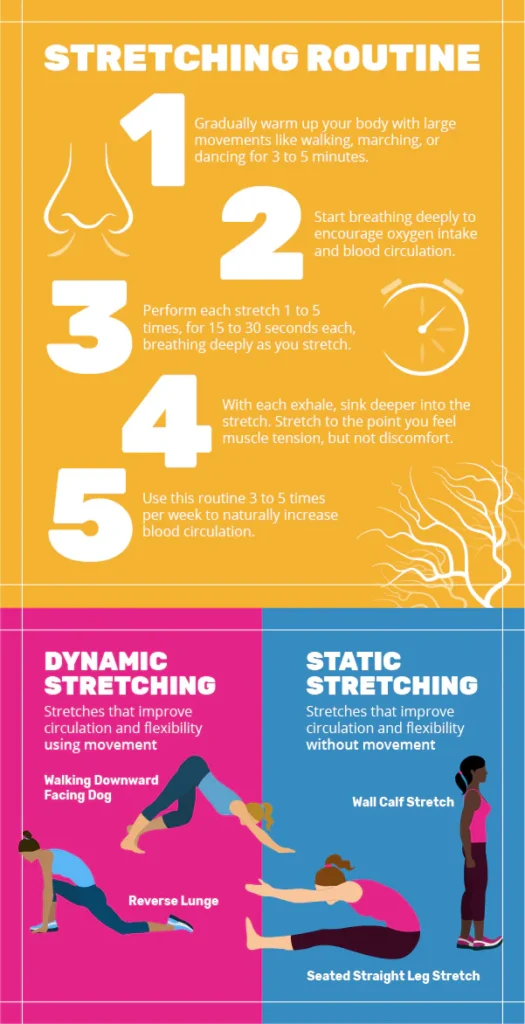
- Regular exercise: Engaging in regular physical activity can help improve blood flow and reduce the risk of poor circulation.
- Healthy eating: A balanced diet rich in fruits, vegetables, and whole grains can help support healthy circulation.
- Quitting smoking: Smoking is a significant contributor to poor circulation, so quitting can have a positive impact on overall health.
Natural Remedies for Improving Circulation
In addition to lifestyle changes, there are several natural remedies that can help improve circulation. These include:
- Vitamin C: Vitamin C has been shown to be beneficial for circulation, as it helps to reduce inflammation and promote blood flow.
- Omega-3 fatty acids: Omega-3 fatty acids have anti-inflammatory properties that can help support healthy circulation.
- Acupuncture: Acupuncture involves the insertion of fine needles into specific points on the body to stimulate blood flow and improve circulation.
Medications for Improving Circulation
In some cases, medication may be necessary to improve circulation. These include:
- Blood thinners: These are medications that help prevent blood clots from forming.
- Statins: These are medications that lower cholesterol levels and reduce the risk of cardiovascular disease.
- Beta blockers: These are medications that slow the heart rate and reduce blood pressure.
Surgical Treatments for Improving Circulation
In some cases, surgery may be necessary to improve circulation. These include:
- Angioplasty: This is a procedure in which a balloon is inflated to widen narrowed arteries.
- Stenting: This is a procedure in which a mesh tube is inserted into the narrowed artery to keep it open.
FAQs
Q: How can I tell if I have poor circulation?
A: Poor circulation can manifest in a range of ways, including cold hands and feet, fatigue and weakness, swollen legs and ankles, and shortness of breath. If you’re experiencing any of these symptoms, it’s essential to seek medical attention.
Q: Can poor circulation be treated?
A: Yes, poor circulation can often be treated through lifestyle changes, such as regular exercise and healthy eating. In some cases, medication or surgery may also be necessary.
Q: Are there any natural remedies that can help improve circulation?
A: Yes, there are several natural remedies that can help improve circulation, including vitamin C, omega-3 fatty acids, and acupuncture.
Q: Can poor circulation lead to other health problems?
A: Yes, poor circulation can increase the risk of a range of health problems, including cardiovascular disease, stroke, and peripheral artery disease.


