
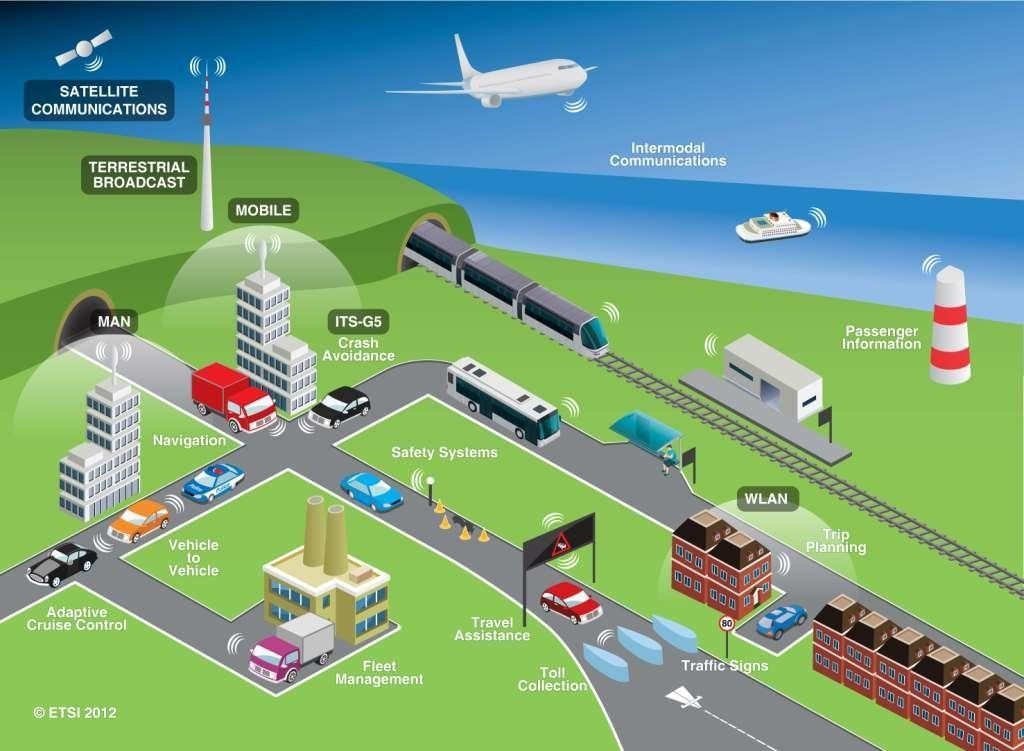
As the world becomes increasingly urbanized, finding ways to reduce our carbon footprint and promote sustainable transportation is more crucial than ever. The concept of smart mobility in intelligent cities refers to a shift towards more efficient, environmentally friendly, and people-centric transportation systems. In this article, we’ll explore the challenges facing Italy’s urban transportation infrastructure, the potential benefits of smart mobility, and how technology can help bridge the gap.
Understanding Smart Mobility
Smart mobility is not just about using electric or hybrid vehicles; it’s about transforming the way we move around cities. By reducing personal vehicle usage and promoting shared transportation methods, such as carpooling, bike sharing, and public transportation, we can significantly decrease emissions and congestion. The Italian government has set ambitious targets to reduce greenhouse gas emissions from transportation by 50% by 2030.
The Current State of Urban Transportation in Italy
Despite the challenges, Italy’s urban transportation infrastructure is facing significant investments. According to a report by the Group for Sustainable Mobility of the National Green Economy Council, only 12% of planned infrastructure investments are dedicated to smart mobility projects, while 50% is allocated to road construction and maintenance. This means that only 7% of total investment in Italy goes towards urban transportation reform.
Why Smart Mobility Matters
The benefits of smart mobility are numerous. Not only can it reduce emissions and congestion, but it also promotes economic growth and improves air quality. As the European Commission highlights, up to 80% of CO2 reductions from transportation by 2030 can be achieved through urban mobility improvements. By investing in technology and innovative solutions, cities like Italy can become models for sustainable urban development.
The Role of Apps and Technology
Mobile applications (Apps) are playing a significant role in promoting smart mobility. With numerous options available, such as those integrating public transportation with ride-sharing services or bike sharing systems, users can easily find alternatives to driving solo. According to a report, over 35 apps have been developed specifically for this purpose.
Some of the most popular apps include:
- Google Maps: Provides real-time traffic information and route planning
- Moovit: Offers public transportation schedules and routes
- Citymapper: Integrates public transportation with bike sharing and ride-sharing services
- BikeShare: Allows users to rent bicycles for short periods
The Benefits of Smart Mobility
Smart mobility offers numerous benefits, including:
- Reduced Emissions: By promoting shared transportation methods and reducing personal vehicle usage, we can significantly decrease emissions.
- Improved Air Quality: By reducing emissions, we can improve air quality and promote healthier living conditions.
- Increased Efficiency: Smart mobility can optimize traffic flow and reduce congestion, making travel times faster and more efficient.
- Economic Growth: Smart mobility can stimulate economic growth by creating new job opportunities in the transportation sector.
Challenges Facing Smart Mobility
Despite the benefits of smart mobility, there are several challenges facing its adoption. Some of these include:
- Infrastructure Investment: Investing in infrastructure improvements is crucial for the successful implementation of smart mobility.
- Public Awareness: Raising public awareness about the benefits of smart mobility is essential for encouraging adoption.
- Technology Limitations: Smart mobility relies on technology, which can be prone to errors and malfunctions.
- Regulatory Frameworks: Governments must establish regulatory frameworks that support the development of smart mobility.
The Future of Smart Mobility
As we look to the future, it’s clear that smart mobility will play a critical role in creating more sustainable urban environments. By investing in technology, innovative solutions, and infrastructure improvements, cities like Italy can lead the way in promoting smart mobility as a key component of their urban strategy.
Conclusion
Smart mobility in intelligent cities represents a critical step towards reducing our carbon footprint and promoting sustainable urban development. By understanding the benefits and challenges of smart mobility, we can work towards creating more efficient, environmentally friendly transportation systems that promote economic growth and improve air quality.
As we continue to urbanize, it’s essential that we prioritize smart mobility as a key component of our urban strategy. By doing so, we can create more sustainable cities that benefit both our citizens and the environment.
Frequently Asked Questions
- What is smart mobility?
Smart mobility refers to a shift towards more efficient, environmentally friendly, and people-centric transportation systems in cities. - Why is smart mobility important?
Smart mobility can significantly reduce emissions, congestion, and air pollution while promoting economic growth and improving quality of life. - How much investment does Italy need to make in smart mobility?
Italy needs to invest heavily in infrastructure improvements to reach its ambitious targets for reducing greenhouse gas emissions from transportation. - What role do apps play in promoting smart mobility?
Mobile applications are playing a crucial role in providing users with alternatives to driving solo and promoting shared transportation methods. - Why are younger generations turning towards smart mobility?
Younger generations prioritize environmental sustainability over material possessions, such as cars, and use smartphones to plan their routes and schedules. - What is the potential impact of smart mobility on urban development?
Smart mobility has the potential to lead the way in creating more efficient, environmentally friendly transportation systems that promote sustainable urban development. - How can cities like Italy lead the way in promoting smart mobility?
Cities like Italy can lead by investing in technology, innovative solutions, and infrastructure improvements while setting ambitious targets for reducing greenhouse gas emissions from transportation. - What is the future of transportation in intelligent cities?
The future of transportation lies in embracing smart mobility as a critical component of urban strategy to reduce our carbon footprint and promote sustainable urban development.
References
- European Commission. (2020). Transport, Energy and Infrastructure: A Green Deal for Europe.
- Group for Sustainable Mobility of the National Green Economy Council. (2019). Smart Mobility in Italy: An Assessment of Opportunities and Challenges.
- International Organization for Standardization. (2020). Intelligent Transportation Systems: Standards for Smart Mobility.
Additional Resources
- Italian Government Website: https://www.governo.it/
- Italian National Green Economy Council Website: https://www.consiglioazzurro.org/
- European Commission Website: https://ec.europa.eu/


