
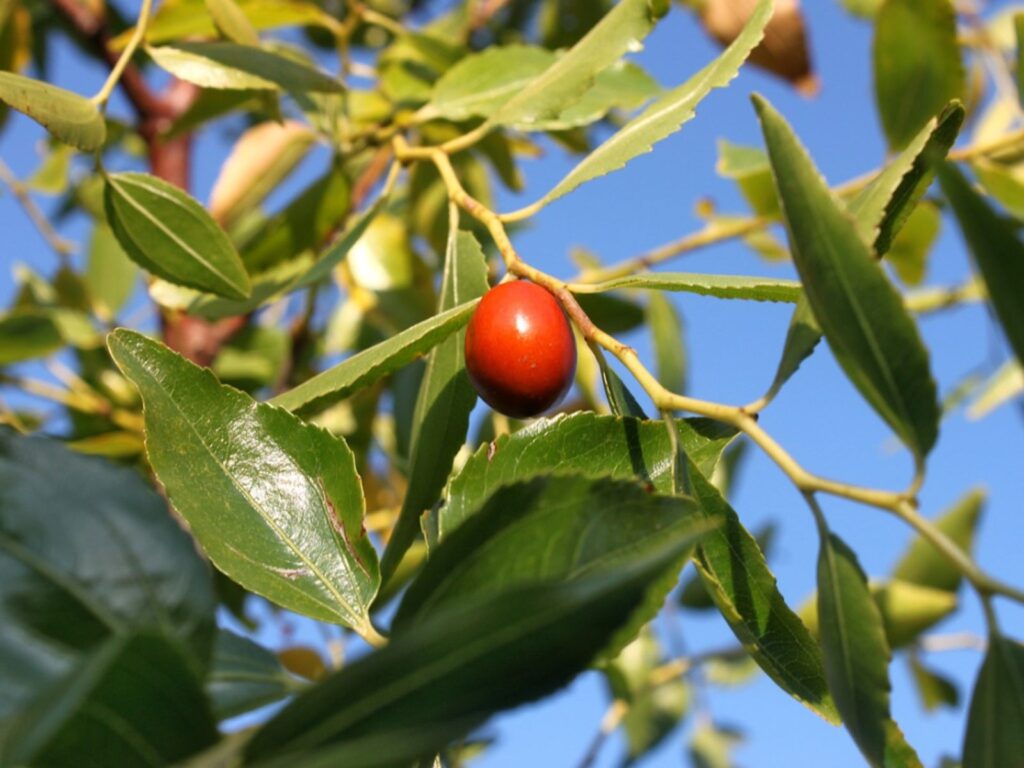
As you wander through your local market or grocery store, have you ever stopped to appreciate the unique characteristics of the giuggiolo? This lesser-known fruit is more than just a novelty – it’s a treasure trove of flavors and health benefits. In this article, we’ll delve into the world of giuggiolo, exploring its botanical origins, cultivation, and uses.
What is Giuggiolo?
Giuggiolo, scientifically known as Ziziphus jujuba, is a deciduous shrub or small tree native to Asia. Its name translates to “Chinese date palm,” although it’s not directly related to the date palm (Phoenix dactylifera). This fruit-bearing plant has been cultivated for centuries in China and has since spread throughout the world.
History of Giuggiolo Cultivation
Believe it or not, giuggiolo was a staple in ancient Roman gardens. The Romans prized its sweet, tangy fruits and used them to make marmalades and preserves. Today, this fruit is often overlooked in Italian gardens, but its unique flavor profile has earned it a cult following among chefs and food enthusiasts.
Characteristics of Giuggiolo
So, what makes giuggiolo so special? Here are some key characteristics:
- Fruit: The giuggiolo’s fruit is a small, oval-shaped drupe with a brown, leathery skin. When ripe, the flesh is white, creamy, and sweet, with a hint of tartness.
- Foliage: The leaves of the giuggiolo are heart-shaped and have a serrated edge. They’re typically 2-5 inches long and have a glossy appearance.
- Growth Habit: Giuggiolo is a compact, evergreen shrub that grows up to 6 feet tall. It has a spreading habit, making it perfect for hedges or topiaries.
Cultivation Tips
If you’re interested in growing your own giuggiolo, here are some tips to keep in mind:
- Planting Time: The best time to plant giuggiolo is in the fall or early winter. This allows the roots to establish themselves before the heat of summer.
- Soil Requirements: Giuggiolo prefers well-draining soil with a slightly acidic pH (5.5-6.5). It’s relatively low-maintenance, but it does require regular watering during its first year of growth.
- Pruning: Prune your giuggiolo regularly to maintain its shape and promote fruiting. Remove any dead or diseased branches, and trim back the tips of new growth to encourage branching.
Health Benefits
Giuggiolo is more than just a tasty snack – it’s also packed with nutrients and antioxidants. Here are some potential health benefits:
- Antioxidants: Giuggiolo contains high levels of antioxidants, which can help protect against cell damage and reduce inflammation.
- Fiber Content: The fruit is rich in dietary fiber, making it a great choice for those looking to support digestive health.
- Immune System Support: Giuggiolo contains immune-boosting compounds that may help support the body’s natural defense systems.
Nutritional Value
Here is some nutritional information about giuggiolo:
| Nutrient | Amount (per 100g serving) |
|---|---|
| Calories | 55 |
| Protein | 0.6g |
| Fat | 0.1g |
| Carbohydrates | 14.5g |
| Fiber | 4.3g |
| Sugar | 11.2g |
| Sodium | 0mg |
| Potassium | 146mg |
Precautions and Side Effects
While giuggiolo is generally considered safe for human consumption, there are some precautions to be aware of:
- Allergic Reactions: Some people may experience allergic reactions to the fruit or pollen. If you experience any symptoms such as hives, itching, or difficulty breathing after consuming giuggiolo, seek medical attention immediately.
- Interactions with Medications: Giuggiolo may interact with certain medications such as blood thinners and diabetes medications. Consult with your healthcare provider before consuming the fruit if you are taking any prescription medications.
Uses in Cooking
Giuggiolo can be used in a variety of dishes, from baked goods to savory meals. Here are some ideas for using giuggiolo:
- Dried Fruit: Slice or chop dried giuggiolo and use it in oatmeal, yogurt, or as a topping for salads.
- Baked Goods: Use fresh or dried giuggiolo in recipes such as cakes, muffins, or breads.
- Sauces and Marinades: Soak giuggiolo in water or wine to make a sweet sauce. You can also use the fruit to marinate meats or vegetables before grilling.
Conclusion
Giuggiolo is a fascinating fruit with a rich history and numerous health benefits. Whether you’re a seasoned gardener or just starting out, this unique plant is definitely worth exploring. With its compact growth habit and low-maintenance requirements, giuggiolo is perfect for adding a touch of exotic flair to your garden.
Frequently Asked Questions
Here are some common questions about giuggiolo:
- What does giuggiolo taste like?
Giuggiolo has a sweet, tangy flavor profile that’s often described as a combination of dates and pineapple. - How do I care for my giuggiolo plant?
Make sure to provide your giuggiolo with well-draining soil, regular watering, and moderate pruning to maintain its shape and promote fruiting. - Can I eat the seeds?
While it’s technically possible to eat the seeds, they’re not particularly palatable and may be toxic in large quantities. - How do I propagate my giuggiolo plant?
You can propagate giuggiolo using stem cuttings or by layering. Simply take a healthy stem cutting, remove lower leaves, and plant it in well-draining soil. - Is giuggiolo safe for humans to eat?
Giuggiolo is generally considered safe for human consumption, but it’s always best to consult with a healthcare professional before trying new foods or supplements.
By following these tips and being mindful of the potential risks, you can enjoy the many benefits that giuggiolo has to offer. Happy growing!


