
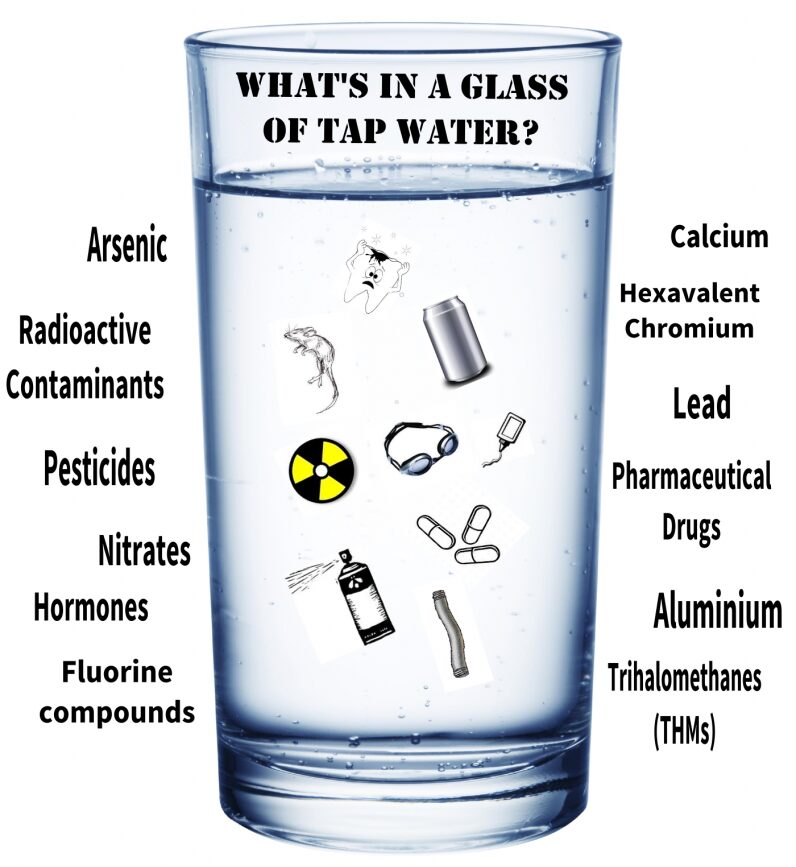
Is tap water safe to drink? It’s a question that has sparked debate among citizens and experts alike. The answer depends on how the municipal water supply is managed. In theory, tap water should be potable and safe for consumption. However, scandals like the arsenic contamination in various towns in Tuscany, Lombardy, and Lazio have raised concerns about the reliability of tap water.
In recent years, there has been a growing movement towards sustainable living, with many people opting for bottled water as an alternative to tap water. But is mineral water really a safer option? In this article, we will explore the pros and cons of both tap water and mineral water, and discuss ways to ensure access to clean and safe drinking water.
The Arsenic Scandal
One of the most notable cases was the arsenic contamination in Vibo Valentia, where the water supply turned a brownish color with an unpleasant odor. The issue has been ongoing since 2010, and despite efforts to address it, the problem persists. Local authorities have launched investigations, and several individuals are currently under indictment.
The scandal highlights the potential risks associated with tap water, even in countries like Italy that generally have good-quality municipal water supplies. Arsenic is a naturally occurring element that can be found in groundwater, and its presence in drinking water can pose serious health risks.
Mineral Water: A Safer Alternative?
But is mineral water a safer alternative to tap water? Not necessarily. Giuseppe Altamore’s book “Qualcuno vuol darcelo a bere” suggests that mineral water is not inherently more pure or healthier than tap water. In fact, the production and distribution of mineral water have significant environmental impacts, from bottling to disposal.
One of the main concerns with mineral water is its carbon footprint. The transportation of bottled water requires significant amounts of energy, which contributes to greenhouse gas emissions and climate change. Additionally, the production process for mineral water can be resource-intensive, using large amounts of water and energy to extract minerals and purify the water.
Environmental Impact
Tap water is generally considered more environmentally friendly than bottled water. The production, transportation, and disposal of plastic bottles have a significant carbon footprint. Even if we consider the economic costs, tap water is significantly cheaper and more sustainable.
In fact, according to the Natural Resources Defense Council (NRDC), it takes over 1 liter of water to produce just 0.25 liters of bottled water. This means that for every bottle of water produced, nearly four liters of water are required to quench the thirst of consumers.
Protecting Our Water Supply
So, what can we do to ensure access to clean and safe drinking water? We must take responsibility for protecting our environment and investing in initiatives that promote sustainability. By preserving our natural resources, including rivers, lakes, and aquifers, we can guarantee a reliable source of water.
One way to protect our water supply is by supporting local water management initiatives. This can include advocating for better infrastructure, promoting water conservation efforts, and supporting policies that protect our waterways.
Safely Filtering Your Tap Water
If you’re concerned about the quality of your tap water, consider installing a filter at home. A good filter can remove impurities and improve the taste and odor of your water. Consider investing in a high-quality appliance that can also provide filtered water for cooking and other uses.
There are several types of filters available, including activated carbon filters, reverse osmosis systems, and ultraviolet (UV) light purifiers. When selecting a filter, consider factors such as the type of contaminants you want to remove, the flow rate of your home, and the maintenance requirements of the filter.
Conclusion
In conclusion, tap water is generally safe to drink if managed properly. However, scandals like the arsenic contamination highlight the need for vigilance and action. By protecting our environment and investing in sustainable solutions, we can ensure access to clean and safe drinking water for generations to come.
Frequently Asked Questions (FAQs)
- Is tap water safe to drink everywhere?
No, tap water safety depends on how well the municipal water supply is managed. Scandals like arsenic contamination can occur in various towns across Italy.
- What are the environmental impacts of bottled water production and distribution?
The production, transportation, and disposal of plastic bottles have a significant carbon footprint and harm the environment.
- Can mineral water be considered healthier than tap water?
Not necessarily. Mineral water is not inherently more pure or healthier than tap water. Its production and distribution have environmental impacts that should be considered.
- How can we ensure access to clean and safe drinking water?
We must take responsibility for protecting our environment and investing in initiatives that promote sustainability, such as preserving natural resources like rivers, lakes, and aquifers.
- What are some ways to improve the taste and odor of tap water?
Installing a filter at home can remove impurities and improve the taste and odor of your water. Consider investing in a high-quality appliance that also provides filtered water for cooking and other uses.
- Can bottled water be considered an alternative to tap water if it’s not contaminated?
Not necessarily. Even if bottled water is not contaminated, its production and distribution have significant environmental impacts.
- How can we reduce our reliance on bottled water?
We can start by investing in high-quality filters at home, reducing our consumption of single-use plastics, and supporting initiatives that promote sustainable water management.
- What role can governments play in ensuring access to clean and safe drinking water?
Governments should invest in infrastructure, support research and development of new technologies, and implement policies that promote sustainability and environmental protection.
Additional Resources
- Natural Resources Defense Council (NRDC): A non-profit organization dedicated to protecting the environment and promoting sustainable practices.
- Environmental Protection Agency (EPA): The official website for the US EPA, providing information on water quality, conservation, and protection.
- World Health Organization (WHO): An international organization that sets standards for drinking water quality and provides guidance on safe drinking water practices.
By taking these steps, we can ensure access to clean and safe drinking water for generations to come. Whether you choose tap water or mineral water, it’s essential to prioritize sustainability and environmental protection in our pursuit of hydration.


