
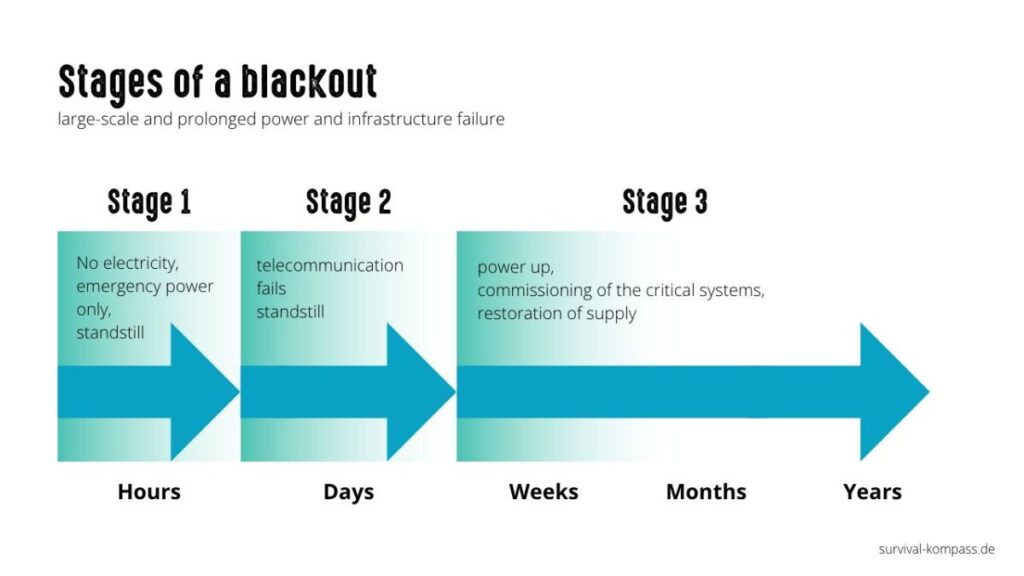
When the lights go out and you’re left in the dark, panic may set in, but don’t worry – it’s not the end of the world just yet. As long as you don’t need medical equipment that relies on electricity, you can survive without power for a while. To manage the situation better, take some precautions to keep yourself safe and comfortable.
Why Do Blackouts Happen?
Before we dive into what to do during a blackout, it’s essential to understand why they happen in the first place. Blackouts occur when there’s an overload of electricity demand, especially during hot weather. Think about it – millions of people turning on their air conditioners, fans, refrigerators, and freezers at the same time creates an enormous amount of power consumption that puts pressure on the power grid.
Imagine a massive weight is placed on the grid’s infrastructure, making it difficult for it to handle the surge in demand. This can lead to a chain reaction known as the “domino effect,” where problems in one country affect others due to interconnected networks. Although measures have been taken to improve the system’s resilience, it’s not foolproof.
Food Safety During a Blackout
One of the most critical concerns during a prolonged blackout is food safety. Perishable foods that require low temperatures to prevent spoilage are particularly vulnerable. If you’re caught off guard without power for an extended period, it’s essential to take steps to protect your food.
Here are some tips to help you minimize the risk of foodborne illnesses:
- Consume perishable foods before they go bad.
- Use non-perishable foods stored in the fridge or freezer.
- Remember that once thawed, frozen foods cannot be refrozen.
- Keep raw meat and poultry at a safe temperature (below 40°F) to prevent cross-contamination.
- Discard any food that has been left out for too long (especially dairy products, eggs, and cooked leftovers).
- Store food in airtight containers to prevent moisture from entering the container.
Fridge Maintenance
A well-maintained fridge is crucial during a blackout. When you open the door, some of the cold air escapes, which can lead to a rapid increase in temperature inside. To minimize this loss:
- Regularly check and clean the gaskets.
- Periodically apply talcum powder to keep them dry.
- Check for any blockages or debris that might be preventing proper airflow.
- Consider using a fridge sealant to help maintain the cold air.
Medications and Other Sensitive Items
If you rely on refrigeration for medications, take precautions to protect them from temperature changes. Store them in sealed containers or protective cases, like those used for gelato.
Safety Precautions
When a blackout occurs at night, the most important thing is having a reliable light source. Keep a flashlight with spare batteries nearby and consider using candles or gas lamps (be cautious when using these). A backup power source can also help you navigate your home safely.
- Use battery-powered lanterns instead of candles to reduce fire risks.
- Consider investing in a portable generator for emergency situations.
- Be careful when handling electrical equipment, as it may be damaged during the blackout.
- If you have any medical conditions that require oxygen therapy, make sure to carry an adequate supply of medication and oxygen tanks.
Protecting Your Computers
To prevent damage to your computers during an unexpected blackout, use a UPS (Uninterruptible Power Supply) group in case of emergencies. This will provide a temporary power source that can keep your devices running until the grid is restored.
- Consider investing in a backup power source for your home or business.
- Use surge protectors and circuit breakers to prevent electrical surges from damaging your equipment.
- Keep important files and data backed up regularly, both online and offline.
Conclusion
Blackouts may be unpredictable and inconvenient, but with some preparation and knowledge of how to act, you can minimize the risks and stay safe. By taking precautions to protect your food, fridge, medications, and computers, you’ll be better equipped to handle a prolonged blackout. Stay informed about weather forecasts, emergency procedures, and any planned maintenance to reduce the likelihood of blackouts.
FAQs
- What should I do if my fridge breaks down during a blackout?
- If your fridge breaks down, try to keep it as cool as possible for as long as you can. Consider using a portable air conditioner or placing wet towels inside the fridge to help cool it down.
- Can I use candles during a blackout?
- No, candles are not recommended due to fire risks and lack of ventilation. Instead, use battery-powered lanterns or flashlights.
- How long can food be stored at room temperature?
- The shelf life of perishable foods depends on the type of food and storage conditions. Generally, cooked leftovers can last for 2-4 hours at room temperature, while raw meat and poultry should not be left out for more than 1 hour.
- Can I use a portable generator during a blackout?
- Yes, but make sure to follow safety guidelines and take necessary precautions to avoid carbon monoxide poisoning and electrical shock.
- What should I do if my computer breaks down during a blackout?
- If your computer breaks down, try to unplug it from the power source immediately. Use a UPS group or battery-powered backup to keep your devices running until the grid is restored.
- How often should I check and clean my fridge’s gaskets?
- Regularly check and clean your fridge’s gaskets every 1-2 months to ensure optimal performance and minimize energy consumption.
- Can I use ice packs during a blackout?
- Yes, but make sure they are properly insulated and won’t melt too quickly. You can also use frozen gel packs or even frozen water bottles to keep your food cool.
- What should I do if I have a medical condition that requires refrigeration?
- If you have a medical condition that requires refrigeration, make sure to store medications and other sensitive items in a cool, dry place with a consistent temperature.
Additional Tips
- Keep important documents and files in a safe and accessible location.
- Have a plan for alternative lighting sources, such as flashlights or battery-powered lanterns.
- Stay informed about weather forecasts and emergency procedures.
- Consider investing in a backup power source, such as a portable generator or solar panels.
- Take care of yourself during the blackout by staying hydrated, eating nutritious food, and getting enough rest.


