
The Pepper Plant: Characteristics and Cultivation
As a perennial, climbing plant belonging to the Piperaceae family, also known as Piper Nigrum, the pepper plant is renowned for producing the spice of black pepper, widely appreciated across the globe.
In this article, we will delve into the primary characteristics of this plant, along with practical tips on how to cultivate it successfully in our homes.
Table of Contents
- Characteristics of the Pepper Plant
- Flowering Season
- How to Cultivate the Pepper Plant
- 3.1 Optimal Exposure
- 3.2 Suitable Soil for the Pepper Plant
- 3.3 Watering the Pepper Plant
- 3.4 Fertilization of the Pepper Plant
- Pests and Diseases
- Interesting Facts about the Pepper Plant
Characteristics of the Pepper Plant
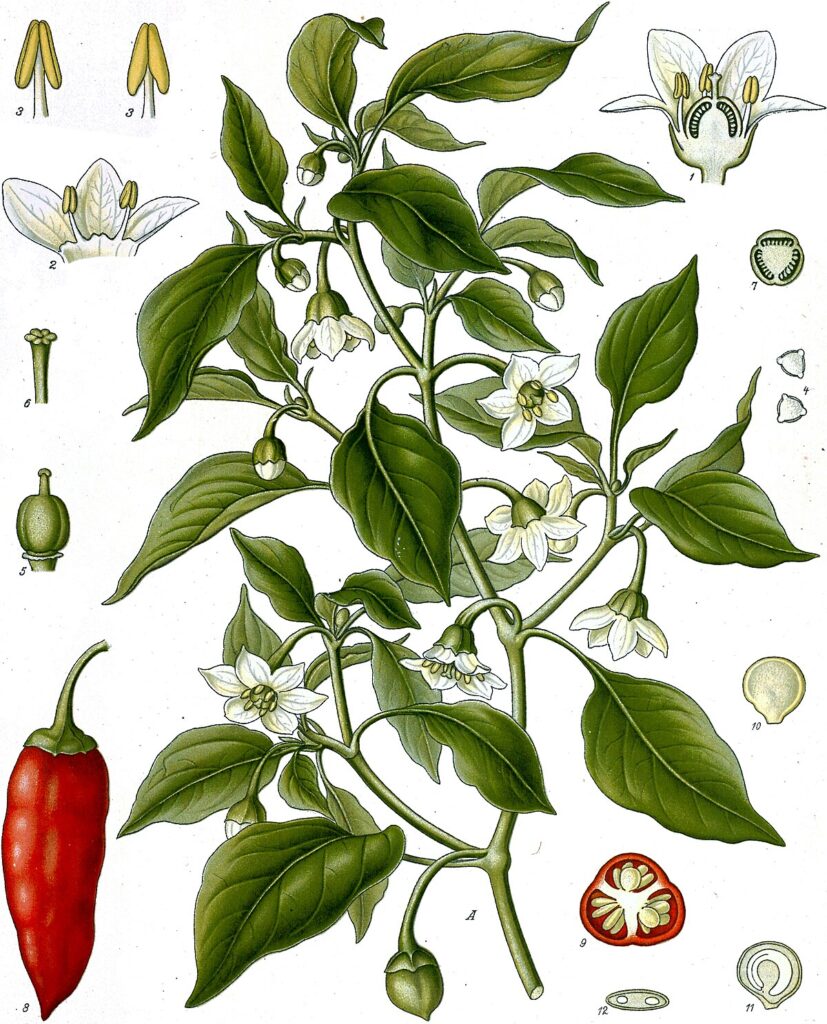
The pepper plant can reach a height of 6 meters, with green, smooth stems and broad nodules that support oval-lanceolate leaves covered in a dense fur. These leaves are approximately 5-18 cm long, pointed, and have aerial roots.
Originating from Southeast Asia, India, Malacca Peninsula, Indonesia, Sumatra, Borneo, the Philippines, Japan, Madagascar, and Brazil, this plant is grown extensively in these regions. In Italy, however, it can only be cultivated indoors and is not widely available unless you visit specialized nurseries for tropical plants.
Due to its tropic origin, the pepper plant thrives in hot environments with high humidity (60-90%). It also enjoys temperatures ranging from 25°C to 30°C. To avoid any damage, the plant needs to be protected from frost as soon as the temperature drops below 15°C.
The first harvest of the pepper plant takes place between 3 to 5 years after its initial planting, when the fruits are still green and have not fully matured. The harvesting process involves manually plucking the ripe peppers. The quality and color of the black pepper depends on the stage of ripeness of the fruit at the time of harvest.
Flowering Season
The flowers produced by this plant are small, white, fragrant, and barely visible, forming clusters or spigges that range from 5 to 20 cm in length. The fruit is a 5 mm diameter drupe containing only one seed, which serves as an essential ingredient in cooking.
Each cluster contains around 25 to 50 fruits. Due to its long lifespan of approximately 15-20 years, the pepper plant is not considered a long-lived perennial.
How to Cultivate the Pepper Plant
Here are some practical tips for cultivating this plant successfully:
Optimal Exposure
The pepper plant requires full sun exposure, along with moderate humidity (60-90%), and temperatures ranging from 25°C to 30°C. In colder climates, protect your plant in a heated greenhouse once the temperature drops below 15°C.
Suitable Soil for the Pepper Plant
Choose a well-draining soil that is rich in organic matter and has an optimal pH of 5.5-6.5. The ideal terricolo would include sand mixed with other materials to prevent waterlogging and promote healthy root development.
Watering the Pepper Plant
Water your pepper plant regularly, especially during its first few years of growth. However, avoid overwatering, which can cause root rot and damage to the plant. Ensure that the soil dries out completely between waterings to prevent any issues with the roots.
Fertilization of the Pepper Plant
Feed your pepper plant annually in spring and autumn using a granular fertilizer specifically designed for acid-loving plants.
Pests and Diseases
Although the pepper plant is resistant to most pests and diseases, it can be susceptible to root rot if waterlogged. Regular monitoring is essential to detect any issues early on.
Interesting Facts about the Pepper Plant
- The pepper plant is grown primarily in Southeast Asia.
- The first harvest of black pepper occurs 3-5 years after planting.
- Black peppercorns are obtained by drying green peppers.
- White peppercorns are made from seeds that are picked before they fully ripen.
If you have any questions about the pepper plant, feel free to ask.
FAQs
- How often should I water my pepper plant?
- Water your pepper plant regularly, especially during its first few years of growth. However, avoid overwatering.
- What is the optimal temperature for growing a pepper plant?
- The ideal temperature range for the pepper plant is between 25°C and 30°C.
- How do I protect my pepper plant from frost?
- To protect your pepper plant from frost, move it to a heated greenhouse once the temperature drops below 15°C.
- What type of fertilizer should I use for my pepper plant?
- Use a granular fertilizer specifically designed for acid-loving plants.
- How do I harvest black peppercorns from my pepper plant?
- The first harvest of black peppercorns occurs 3-5 years after planting, when the fruits are still green and have not fully matured.
- Can I grow a pepper plant in a container?
- Yes, you can cultivate this plant indoors in pots or containers with proper drainage and care.
If you have any further questions about growing your own pepper plant, please feel free to ask.


