
Introduction
Betula is a perennial plant that has been used for centuries in traditional medicine. Native to Europe and northern Asia, it’s now widely distributed across Italy, particularly in the Alps region. This versatile plant not only adds beauty to gardens and parks but also boasts impressive medicinal properties. In this article, we’ll delve into the world of Betula, exploring its history, properties, uses, and benefits.
What is Betula?
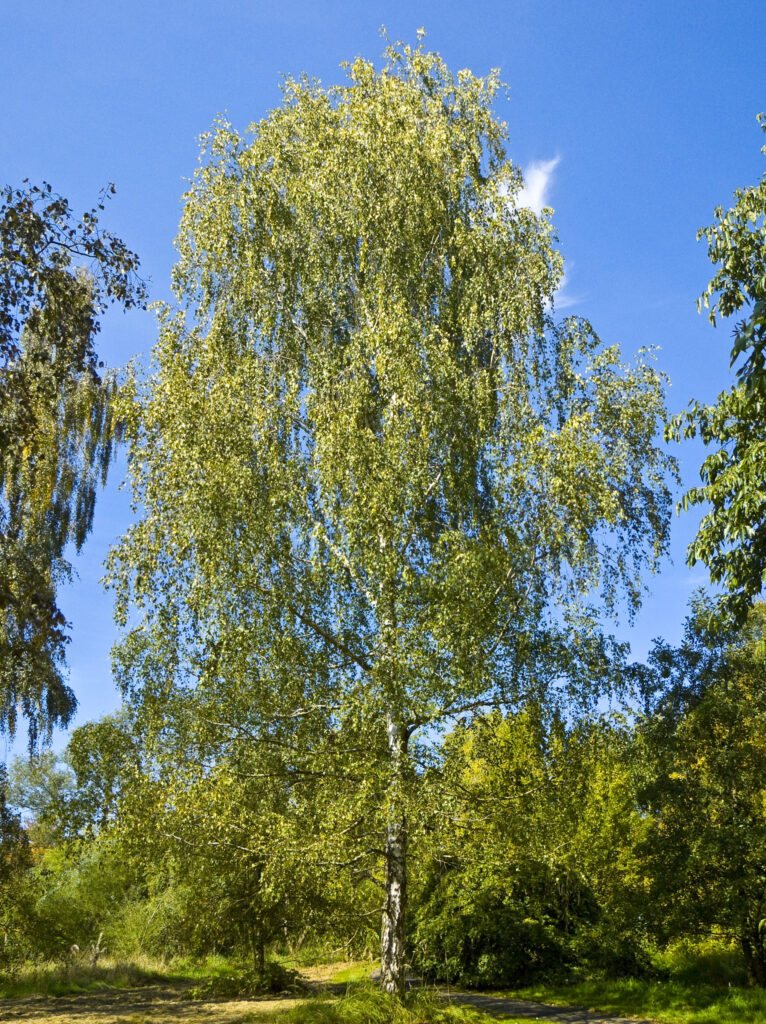
Betula belongs to the Betulaceae family and can reach significant heights. Its thin, light crown tends to rise upwards, while the trunk has a white, thin bark that becomes more pronounced as the plant ages. The branches are terminal, rich in small, deciduous leaves with a triangular shape. These pale green leaves are not particularly vibrant but play a crucial role in the plant’s medicinal properties.
Betula’s Origins and Distribution
As mentioned earlier, Betula is native to Europe and northern Asia. In Italy, you can find it widely distributed across the Alps region, where dense forests of Betula thrive. The Piedmont and Lombardy regions have more Betula, while moving southward, you’ll also find them in Abruzzo and near Mount Etna.
Properties of Betula
Betula’s most significant properties are its diuretic and purifying effects, which derive from the presence of flavonoids, sesquiterpene oxides, tannins (leucoanthocyanidines), Vitamin C, betulinic acid, chlorogenic acid, resins, and essential oils. These compounds work together to eliminate excess water and negative substances like cholesterol and uric acid that cause rheumatism and gout.
How Betula Helps with Health Issues
Betula’s purifying properties make it an excellent remedy for treating hypertension, rhenitis prevention, and urinary tract infections, including cystitis. Its diuretic effect also helps eliminate excess fluid and toxins from the body, making it a valuable ally in preventing rheumatism and gout.
The Anti-Inflammatory Properties of Betula
Betula’s anti-inflammatory effects are particularly beneficial for treating cellulite. This condition is characterized by fibroconnetival nodules that can be eliminated and removed with the help of Betula. In fact, Betula has been proven to reduce impasto and pain in people suffering from cellulite.
The Power of Betula Linfa
Betula linfa, also known as Betula verrucosa linfa, is a substance extracted from the plant’s sap. It contains two eterosides that release salicilic acid through enzymatic action, providing analgesic and anti-inflammatory effects. The linfa has a strong detoxifying effect on the lymphatic system, helping to purify the body from excess toxins.
How to Collect Betula Linfa
Collecting linfa requires a specialized technique. In spring, small holes are made on the south-facing trunk of mature Betula trees, about 2-5 cm deep, and obliquely towards the top. A tube is inserted to allow the linfa to flow out and be collected in containers.
The Amount of Linfa Extracted
It’s astonishing to think that one trunk with a diameter of about 50 cm can yield 3-4 liters of linfa per day! This impressive amount highlights the potential benefits of Betula linfa in treating various health issues, including cellulite and lymphatic system problems.
Betulla Infusion: A Simple Way to Reap its Benefits
One of the simplest ways to ingest Betula’s active principles is through an infusion. All you need is a spoonful of Betula leaves to soak in boiling water for about 10 minutes, then filter. It’s recommended to drink 2 cups per day of Betula infusion, away from meals.
The Essential Oil of Betula: A Potent Remedy
While less straightforward to take and find, the essential oil of Betula is much more potent than the infusion and therefore should be taken with caution as it can interact with certain medications and cause problems. It’s best to consult a doctor before proceeding.
Betulla in Homeopathy and Folk Medicine
The Betula has been widely used in homeopathy and folk medicine for centuries. The leaves are often used to purify blood and treat gout and rheumatism, both internally and externally. The catrapht of Betula can be applied on the skin for treating eczema, rheumatism, psoriasis, gout, and scabies.
Precautions and Contraindications
Before using Betula, it’s essential to consider the following precautions and contraindications:
- Pregnancy and breastfeeding: Betula should not be consumed during pregnancy or breastfeeding due to its potential effects on the fetus.
- Allergies: People with known allergies to Betula plants or their extracts should avoid using them.
- Medications: Consult a doctor before taking Betula if you’re already taking medications, as it may interact with certain substances.
Conclusion
Betula is a versatile plant with impressive medicinal properties that have been used for centuries. From its diuretic and purifying effects to its anti-inflammatory properties, Betula offers numerous benefits for our health and wellbeing. Whether you choose to use the infusion, linfa, or essential oil, remember to consult a doctor before proceeding.
Frequently Asked Questions
-
What are the most significant properties of Betula?
Betula’s diuretic and purifying effects derive from its flavonoids, sesquiterpene oxides, tannins, Vitamin C, betulinic acid, chlorogenic acid, resins, and essential oils. -
How can Betula help with hypertension?
Betula’s purifying properties can help eliminate excess fluid and toxins that contribute to hypertension. -
What is Betula linfa, and how is it extracted?
Betula linfa is a substance extracted from the plant’s sap. It contains two eterosides that release salicilic acid through enzymatic action, providing analgesic and anti-inflammatory effects. -
How much linfa can be extracted from one trunk?
One trunk with a diameter of about 50 cm can yield 3-4 liters of linfa per day! -
Can Betula infusion be used to treat cellulite?
Yes, Betula’s anti-inflammatory properties have been proven to reduce impasto and pain in people suffering from cellulite. -
Is it safe to use the essential oil of Betula?
While less straightforward to take and find, the essential oil of Betula is much more potent than the infusion and therefore should be taken with caution as it can interact with certain medications and cause problems. -
Can Betulla be used in homeopathy and folk medicine?
Yes, the Betula has been widely used in homeopathy and folk medicine for centuries to treat various health issues, including gout and rheumatism. -
How should I use Betula infusion?
To reap its benefits, soak a spoonful of Betula leaves in boiling water for about 10 minutes, then filter and drink 2 cups per day, away from meals.


