
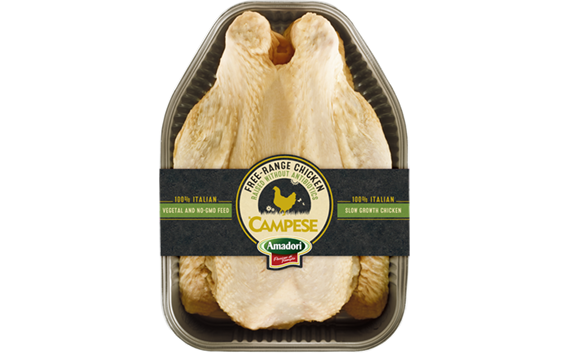
When you hear the name “Pollo Campese,” what comes to mind? A type of chicken, perhaps? But there’s more to this beloved breed than meets the eye. Let’s dive into the world of Pollo Campese and uncover its secrets.
What is Pollo Campese?
At first glance, Pollo Campese may seem like just another name for a specific type of chicken. But scratch beneath the surface, and you’ll discover a rich history and unique characteristics that set it apart from other breeds. So, what exactly makes Pollo Campese special?
A Breed Born Free
Pollo Campese is a breed that’s been raised outdoors, without the confines of traditional poultry farming methods. This means that the chickens are free to roam, exercise, and engage with their natural environment – a far cry from the cramped and sterile conditions often associated with industrial agriculture.
A Diet Fit for a King (or Queen)
But what about the chicken’s diet? You might be surprised to learn that Pollo Campese is fed entirely vegetarian, without any added antibiotics or genetically modified organisms (GMOS). The feed is sourced locally, from small family-owned farms that prioritize sustainable and humane practices.
The Lowdown on Quality
So, why should you care about the origin of your chicken? For starters, the quality of the meat is significantly higher when produced using these methods. The chickens are raised at a slower pace, which allows for more efficient growth and better overall health – resulting in leaner, more flavorful meat.
A Price That’s Hard to Beat
One of the most significant advantages of Pollo Campese is its affordability. You can often find it sold at a price 1 euro higher than conventional chicken, making it an attractive option for those looking to make a more sustainable choice without breaking the bank.
Key Characteristics: What Sets Pollo Campese Apart
So, what makes Pollo Campese so special? Let’s take a closer look at some of its key characteristics:
- Soda and Consistent Meat: The meat is remarkably tender and juicy, making it perfect for grilling or roasting.
- Easy to Cook: With its high fat content, Pollo Campese is ideal for slow-cooking methods like braising or stewing.
- Versatile in Recipes: From salads to pasta dishes, this versatile breed can be used in a wide variety of recipes.
The Man Behind the Movement
So, who’s behind the rise of Pollo Campese? Enter Amadori, a pioneering company that launched this initiative back in 2002. By bringing together local farmers and producers, Amadori created a closed-loop system where every step of production is carefully monitored and certified – from feed sourcing to distribution.
Recipe Ideas: Get Creative with Pollo Campese
Ready to try your hand at cooking with Pollo Campese? Here are some delicious recipe ideas to get you started:
- Pollo Campese in Padella: A simple yet flavorful dish that’s perfect for a weeknight dinner.
- Insalata Nizzarda: Combine grilled Pollo Campese with fresh vegetables, olive oil, and a sprinkle of parmesan cheese for a tasty salad.
- Slow-Cooked Chicken Stew: Use this versatile breed to make a hearty, comforting stew that’s perfect for cold winter nights.
Frequently Asked Questions
Still have questions about Pollo Campese? Here are some answers:
- Q: Is Pollo Campese organic?
- A: While it doesn’t contain any added antibiotics or GMOS, Pollo Campese is not certified as an organic product.
- Q: Can I buy Pollo Campese at my local grocery store?
- A: It’s possible to find Pollo Campese in some specialty stores or online retailers, but it may be harder to find than conventional chicken.
- Q: Is Pollo Campese suitable for vegetarians and vegans?
- A: Since the feed is vegetarian and free from animal by-products, yes – this breed can be a great option for those following plant-based diets.
Conclusion
Pollo Campese may not be the flashiest name in the poultry world, but its rich history and unique characteristics make it a compelling choice for anyone looking to upgrade their protein game. With its tender meat, versatility in recipes, and commitment to sustainable practices, this breed is sure to delight even the most discerning palates.
Exploring Other Italian Chicken Breeds
While Pollo Campese may be the star of the show, Italy has a diverse range of chicken breeds that are worth exploring. From the Campanian Ortolan to the Piedmontese Red Capon, each breed offers its own unique characteristics and culinary possibilities.
- Campanian Ortolan: Hailing from the southern region of Campania, this breed is known for its rich flavor and tender meat.
- Piedmontese Red Capon: From the Piedmont region, this breed is prized for its distinctive red plumage and flavorful meat.
- Venetian Pigeon: While not a traditional chicken breed, the Venetian Pigeon is a unique and delicious option for those looking to try something new.
The Future of Pollo Campese
As interest in sustainable and humane farming practices continues to grow, it’s likely that Pollo Campese will play an increasingly important role in Italy’s culinary landscape. By supporting local farmers and producers, consumers can help drive demand for higher-quality, more sustainably produced chicken products.
Conclusion
Pollo Campese is a breed that’s all about quality, sustainability, and delicious flavor. With its rich history, unique characteristics, and commitment to humane farming practices, this beloved Italian chicken is sure to delight even the most discerning palates. Whether you’re a seasoned chef or just starting out in the kitchen, Pollo Campese is definitely worth exploring – so why not give it a try?



