
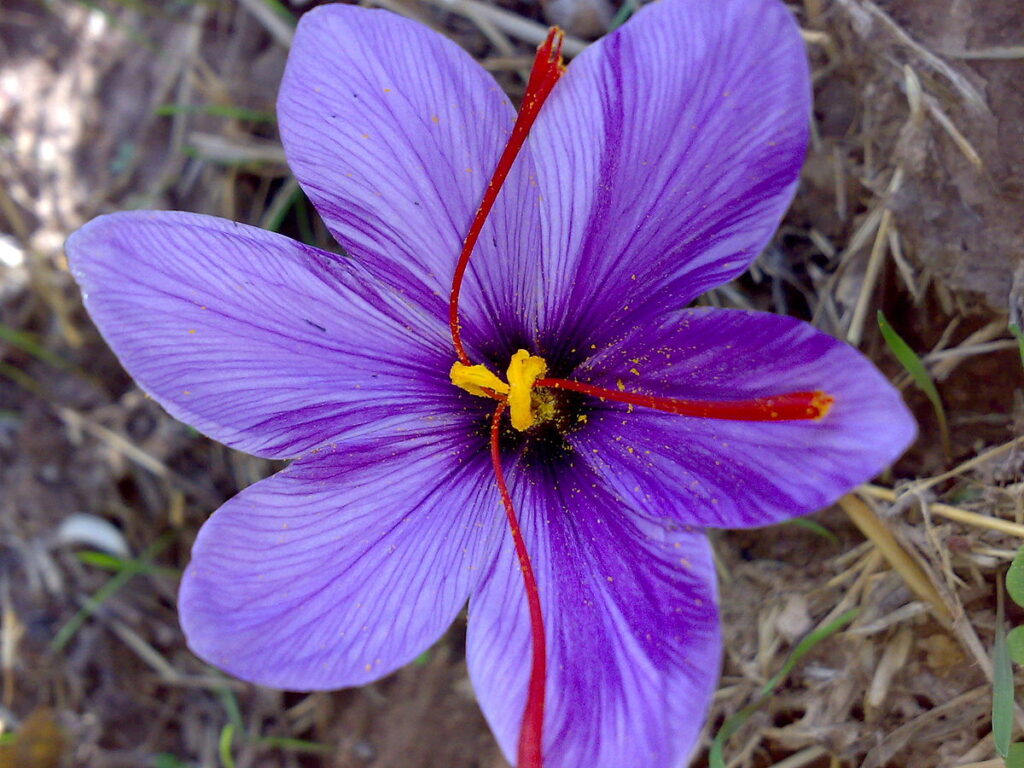
Saffron, also known as Crocus sativus, is more than just a vibrant yellow color on risotto or a cheap spice found in most supermarkets. This precious flower has been prized for its unique properties and uses for centuries, making it a true treasure of culinary and medicinal worlds.
Origin and History of Saffron
Saffron is a member of the Iridaceae family and is native to Asia Minor and the Mediterranean region, where it was first cultivated. Today, saffron can be found in many parts of Italy, particularly in Marche, Abruzzo, and Sardinia. This flower has been highly valued for its unique properties, which are closely tied to its origins.
In ancient times, saffron was highly sought after by the Greeks and Romans for its use in rituals and ceremonies. They believed that the flower had magical powers and used it to heal various ailments. The Greek physician Hippocrates also mentioned the use of saffron in treating a variety of health issues.
The Flower and Bulbs
Saffron is characterized by its distinctive flowers, which have six petals and a deep violet color. However, each flower also contains a male part with three yellow anthers that produce the pigment responsible for the saffron’s distinctive color. The plant produces around 20-30 flowers per bulb, and the bulbs themselves are harvested after blooming.
The harvesting of saffron is a labor-intensive process. Saffron farmers must carefully hand-pick each flower at dawn, when the nectar is still present in the anthers. This process can take several weeks to complete, as it requires patience and dedication. The flowers are then dried immediately to preserve their color and potency.
Properties of Saffron
Saffron is renowned for its numerous health benefits, including antioxidant properties, anti-inflammatory effects, and even potential anti-cancer properties. The three main compounds responsible for these properties are:
- Alpha-Crocine: Responsible for the golden color of saffron, this compound also has antioxidant properties.
- Saffranale: This compound is major contributor to the aroma of saffron and possesses antiossidant properties.
- Picrocrocine: This compound affects taste by freeing allicin from the bulb when dry.
Culinary Uses of Saffron
In addition to its medicinal properties, saffron has been used for centuries in cooking. The flower is often used as a spice to add color and flavor to various dishes. Some of the most common culinary uses of saffron include:
- Paella: A traditional Spanish dish made with rice, seafood, and saffron.
- Risotto: An Italian dish made with Arborio rice, broth, and saffron.
- Bouillabaisse: A French fish stew originating from the port city of Marseille.
Medicinal Uses of Saffron
Saffron has been used for centuries in traditional medicine to treat a variety of health issues. Some of the most common medicinal uses of saffron include:
- Digestive issues: Saffron has been used to treat digestive problems such as bloating, gas, and indigestion.
- Anxiety and stress: The antioxidant properties of saffron have made it a popular natural remedy for anxiety and stress relief.
- Cancer treatment: Some studies have suggested that saffron may have anti-cancer properties, although more research is needed to confirm this.
Side Effects of Saffron
While saffron is generally considered safe to consume, there are some potential side effects to be aware of. These include:
- Allergic reactions: Some people may be allergic to saffron and experience symptoms such as hives, itching, and swelling.
- Stomach upset: Saffron can cause stomach upset in some individuals, particularly when consumed in large quantities.
- Interactions with medications: Saffron may interact with certain medications, including blood thinners and diabetes medications.
Conclusion
Saffron is a precious flower with a rich history and numerous health benefits. Its unique properties make it a valuable spice for cooking and a popular natural remedy for various health issues. While there are some potential side effects to be aware of, saffron is generally considered safe to consume when used in moderation. Whether you’re looking to add flavor to your dishes or seeking relief from digestive issues, saffron is definitely worth exploring further.
Tips for Using Saffron
If you’re new to using saffron, here are some tips to keep in mind:
- Use high-quality saffron: Look for saffron that has been hand-picked and dried in the sun to preserve its color and potency.
- Start with small amounts: Begin with a small amount of saffron and gradually increase as needed.
- Cook saffron properly: Saffron should be cooked for at least 30 minutes to bring out its flavor and aroma.
Saffron in Modern Times
While saffron has been used for centuries, it remains a popular ingredient in modern cooking. Many restaurants and chefs use saffron to add color and flavor to their dishes. Some of the most common ways that saffron is used in modern times include:
- Food coloring: Saffron is often used as a natural food coloring to add a yellow or orange hue to dishes.
- Flavor enhancer: Saffron’s unique flavor profile makes it a popular ingredient for adding depth and complexity to various dishes.
- Health supplement: Many people turn to saffron as a natural health supplement, taking advantage of its antioxidant properties and potential anti-cancer benefits.
Conclusion
In conclusion, saffron is a precious flower with a rich history and numerous health benefits. Its unique properties make it a valuable spice for cooking and a popular natural remedy for various health issues. Whether you’re looking to add flavor to your dishes or seeking relief from digestive issues, saffron is definitely worth exploring further.
Frequently Asked Questions
- Is saffron safe to consume?: Yes, saffron is generally considered safe to consume when used in moderation.
- Can I use saffron as a substitute for turmeric or cinnamon?: No, saffron has a unique flavor profile and should not be substituted for other spices.
- How much saffron do I need to cook with?: The amount of saffron needed will depend on the recipe and personal preference.


