
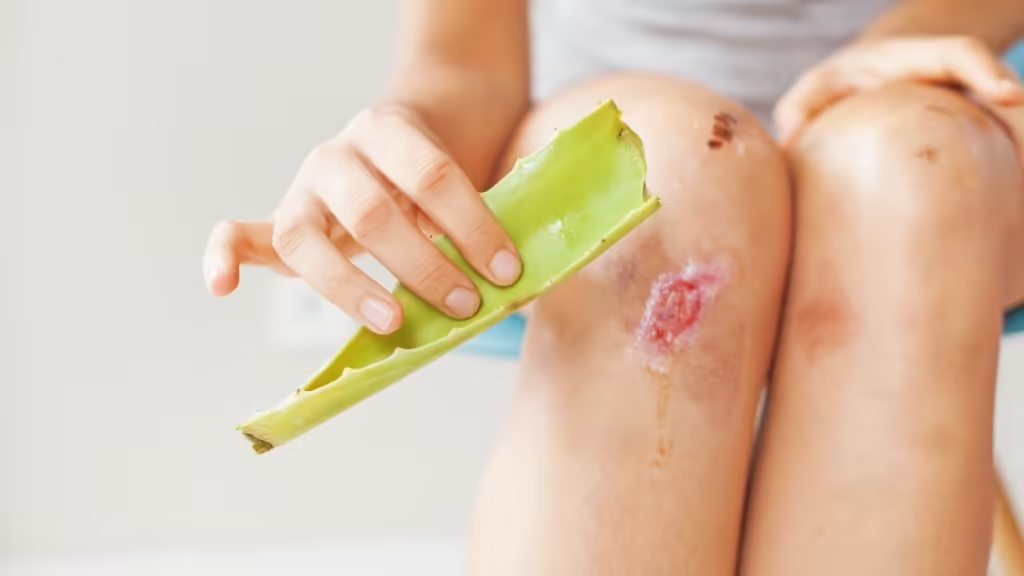
When a wound occurs, whether due to surgery, neglect, or self-inflicted injury, it’s essential to treat it effectively to prevent infections and promote rapid healing. In this article, we’ll explore some tips to help you heal wounds quickly.
Disinfecting the Wound: The First Step
The first step in treating a wound is to disinfect it thoroughly. Use clean water to rinse the wound, followed by a disinfectant such as iodine tincture or oxygenated water. These options are free from alcohol, which can cause discomfort.
For minor wounds, applying iodine tincture may be sufficient without covering the area with a bandage. However, for wounds that require closure, using powdered solutions like Cicatrene may also be effective. Note, however, that these products contain Neomicin and can have adverse effects if ingested or exposed to sunlight.
Closing Open Wounds
Closing open wounds can sometimes lead to the growth of anaerobic bacteria, which thrive in environments with low oxygen levels. To prevent this, it’s generally recommended to leave minor cuts and scratches open, allowing them to breathe and promoting healing. On the other hand, deep wounds or those that are already infected should be covered to prevent further contamination.
Treating Infected Wounds
For infected wounds, applying a cream like Connettivina can help combat bacterial growth. This product is available on Amazon for around $13.90.
When dealing with specific types of wounds, such as slow-healing cuts or ulcers, medical professionals may recommend products like Trofodermin, which contains antibiotics and hormones to promote healing. However, this should only be used under the guidance of a healthcare professional due to its potential interactions.
The Harmful Effects of Sunlight
Contrary to popular belief, sunlight can cause damage to open wounds, not just those that are healing. Prolonged exposure to direct sunlight can irritate and dehydrate wound tissue, potentially leading to complications such as skin cancer in closed wounds.
When treating wounds, it’s essential to keep them covered or protected from the sun with a broad-spectrum sunscreen for at least 1 year after the initial injury.
The Myth of Ice Packs
While ice packs are often used to alleviate swelling and reduce pain following an injury, they’re not suitable for treating wounds. Exposure to cold temperatures can actually slow down the healing process by constricting blood vessels and reducing oxygen flow to the affected area.
So, what else can help speed up the healing process of wounds? Let’s explore some natural remedies that may promote faster recovery.
Natural Remedies for Wound Healing
One natural remedy that has gained popularity is lemon essential oil. Pure lemon essential oil has antibacterial properties and can aid in wound healing when applied topically to the affected area with a cotton pad or swab.
Another product that’s been gaining attention is Compeed, a hydrocolloid dressing designed to provide pain relief for minor burns and cuts. This product can also help prevent the formation of blisters, making it an excellent option for women who suffer from foot irritation due to high heels.
Aloe Vera: A Natural Wound Healer
Aloe vera has been used for centuries in traditional medicine to treat various skin conditions, including wounds. The gel extracted from the aloe plant contains vitamins A, C, and E, as well as amino acids that can help promote wound healing.
To use aloe vera for wound healing, apply the gel directly to the affected area 2-3 times a day. You can also add it to your bath water or mix it with other natural remedies like tea tree oil.
Tea Tree Oil: A Natural Antibiotic
Tea tree oil is known for its antimicrobial properties and has been used to treat various skin infections, including wounds. When applied topically, tea tree oil can help reduce inflammation and promote healing.
To use tea tree oil for wound healing, mix a few drops of the essential oil with a carrier oil like coconut or olive oil and apply it directly to the affected area 2-3 times a day.
Vitamin C: A Key Player in Wound Healing
Vitamin C is an essential nutrient that plays a crucial role in wound healing. It helps to stimulate collagen production, improve tissue strength, and boost the immune system.
To get enough vitamin C for wound healing, include foods rich in this nutrient in your diet, such as citrus fruits, leafy greens, and bell peppers. You can also take supplements if you’re unable to get enough from your diet.
Final Tips
When treating wounds, it’s crucial to prioritize cleanliness, avoid direct sunlight, and keep them covered when necessary. By following these guidelines and exploring natural remedies like lemon essential oil, Compeed, aloe vera, tea tree oil, and vitamin C, you can promote faster wound healing and minimize the risk of complications.
Frequently Asked Questions
- Q: How long should I leave an open wound open?
A: Minor wounds should be left open to breathe and allow for healing. However, deep wounds or those that are already infected should be covered. - Q: What’s the best way to treat an infected wound?
A: Apply a cream like Connettivina to combat bacterial growth. - Q: Can I use ice packs on my wounds?
A: No, exposure to cold temperatures can slow down the healing process. - Q: How long should I keep a wound covered from sunlight?
A: Keep wounds covered for at least 1 year after the initial injury. - Q: What are some natural remedies for wound healing?
A: Lemon essential oil, Compeed, aloe vera, tea tree oil, and vitamin C are popular options that can promote faster recovery. - Q: How do I prevent scarring from a wound?
A: Keep wounds clean, avoid direct sunlight, and apply a cream like Bio-Oil or Mustela to reduce the appearance of scars. - Q: Can I use cortisone creams on my wounds?
A: No, cortisone can slow down the healing process. - Q: How do I know when a wound is ready for stitches?
A: If your wound is deep or won’t close naturally, consult with a healthcare professional to determine the best course of action.
By following these tips and being mindful of potential complications, you can promote faster wound healing and minimize the risk of long-term damage.


