
Introduction to Housing Social
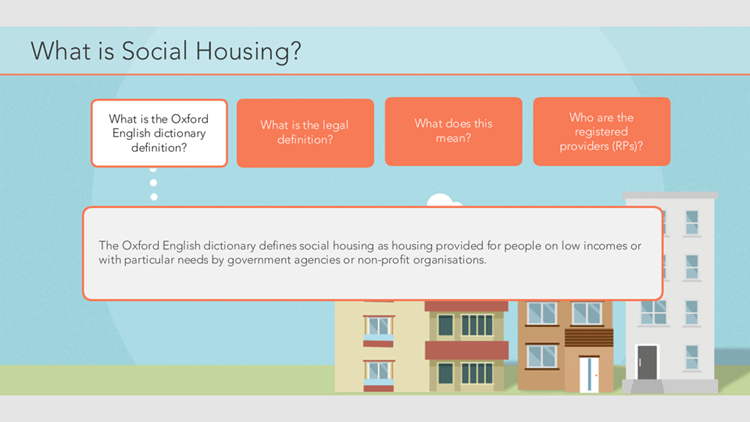
In the realm of urban planning, it’s easy to get confused between public residential housing and social housing. While both types of housing aim to provide residents with a place to live, they serve different purposes. In this article, we’ll delve into the concept of social housing, also known as housing social, and explore its significance, purpose, characteristics, examples, and benefits.
Defining Housing Social
Housing social is a specific type of intervention that addresses various aspects of living, often overlooked in traditional residential projects. It’s characterized by its focus on creating a sense of community and promoting social integration among residents. To be considered social housing, it must meet certain criteria, including the involvement of public and private entities, sustainable energy efficiency, and community-driven planning.
The Purpose of Housing Social
The primary objective of social housing is to provide residents with a high-quality living environment that not only meets their basic needs but also fosters a sense of belonging and community. This is achieved through various initiatives, such as:
- Affordable housing: Providing affordable units for low-income families and individuals
- Community engagement: Encouraging resident participation in decision-making processes and community activities
- Sustainable design: Incorporating green features and energy-efficient systems to reduce environmental impact
Characteristics of Housing Social
Social housing is distinguished by its unique characteristics, including:
- Mixed-income communities: Combining different age groups, income levels, and lifestyles to create a diverse and inclusive community
- Community-driven planning: Involving residents in the design and development process to ensure their needs are met
- Sustainable infrastructure: Incorporating green spaces, public transportation, and energy-efficient systems to promote environmental sustainability
Examples of Housing Social
A notable example of social housing is Cenni di Cambiamento in Milan, Italy. This complex is a prime example of innovative design and community-driven planning. With over 1,000 units, it features:
- Self-sustaining structure: Built using sustainable materials and designed to minimize environmental impact
- Community amenities: Offering public spaces, gardens, and recreational areas for residents to enjoy
Benefits of Housing Social
Housing social offers several benefits, including:
- Increased social cohesion: By fostering a sense of community and promoting social integration among residents.
- Reduced environmental impact: Through the incorporation of green features and energy-efficient systems.
- Affordable housing options: Providing affordable units for low-income families and individuals.
Challenges and Limitations
While housing social has several benefits, it also faces challenges and limitations. Some of these include:
- High construction costs: The use of sustainable materials and innovative design can make the construction process more expensive.
- Limited availability: Housing social is often limited in its availability due to funding constraints and regulatory hurdles.
- Community resistance: Some residents may resist the idea of mixed-income communities or community-driven planning.
Conclusion
Housing social is a unique approach to urban planning that prioritizes community development, sustainability, and affordability. By understanding its purpose, characteristics, and examples, we can better appreciate the importance of creating inclusive and environmentally conscious living environments.
Frequently Asked Questions (FAQs)
A: Housing social is a type of intervention that addresses various aspects of living, often overlooked in traditional residential projects. It’s characterized by its focus on creating a sense of community and promoting social integration among residents.
A: Housing social is crucial for creating inclusive and environmentally conscious living environments. By prioritizing community development, sustainability, and affordability, it promotes social cohesion and reduces environmental impact.
A: Housing social differs from public residential housing in its focus on community engagement, sustainable design, and mixed-income communities. It also involves residents in the decision-making process and incorporates green features to reduce environmental impact.
A: Benefits of housing social include increased social cohesion, reduced environmental impact, affordable housing options, and community-driven planning.
A: Eligibility for housing social varies depending on the specific project. Generally, it’s reserved for low-income families and individuals who meet certain criteria, such as participating in community activities or contributing to the development process.
A: You can get involved by attending community meetings, participating in decision-making processes, or volunteering for local initiatives. Some projects also offer opportunities for residents to join cooperatives and take an active role in managing community resources.
A: Yes, housing social can be replicated globally with adaptations to suit different cultural and environmental contexts. Its core principles of community engagement, sustainability, and affordability make it a viable solution for urban planning worldwide.
Case Studies
- Cenni di Cambiamento: This Italian housing complex is an example of innovative design and community-driven planning.
- The Triangle Project: This social housing project in New York City aims to provide affordable housing options for low-income families and individuals.
Future Directions
As the world grapples with urbanization, climate change, and economic inequality, housing social offers a promising solution. To further promote its adoption, we need:
- Increased investment: In research and development of sustainable design and community-driven planning.
- Policy support: From governments to encourage the creation of housing social projects.
- Community engagement: To ensure that residents are actively involved in the decision-making process.
By working together, we can create inclusive and environmentally conscious living environments that benefit both residents and the planet.


