
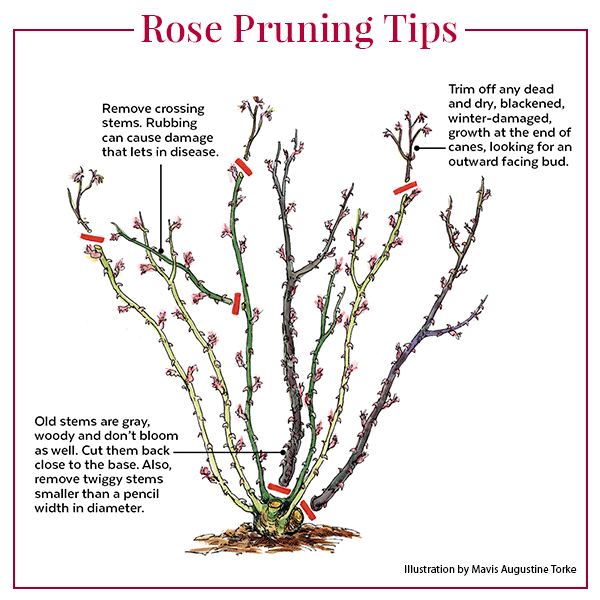
As a gardener, pruning your roses can be a daunting task. With so many types of roses and pruning techniques to choose from, it’s easy to get overwhelmed. But fear not! In this article, we’ll break down the basics of rose pruning, including when to prune, how to prune, and why it’s essential for healthy and thriving plants.
What is Pruning?
Pruning involves cutting or trimming certain branches or stems on a plant to promote healthy growth, encourage blooming, and maintain its shape. For roses, pruning is crucial to remove dead, diseased, or damaged wood, as well as encourage new growth and blooms.
Why Prune Roses?
Pruning roses is essential for maintaining their health and appearance. Here are some reasons why you should prune your roses:
- Promotes Healthy Growth: Pruning helps to promote healthy growth by removing dead, diseased, or damaged wood that can harbor diseases and pests.
- Encourages Blooming: Pruning encourages new growth and blooms by allowing more sunlight to reach the plant.
- Maintains Shape: Pruning helps to maintain the shape of your rose bush, keeping it looking its best.
When to Prune Roses: The Best Time to Cut
The timing of rose pruning depends on the type of rose and your location. In general, it’s best to prune roses in late winter or early spring, depending on your region.
- Northern Europe: Prune roses from late February to early March.
- Southern Europe: Prune roses from late November to early January.
- United States: Prune roses from late January to early February.
Pruning Techniques: What You Need to Know
There are several pruning techniques, including:
- Thinning: Removing select branches to allow more sunlight to reach the plant.
- Reducing: Cutting back overgrown stems to maintain shape and size.
- Renewing: Cutting away old canes to make way for new growth.
Pruning Ramblers: Special Considerations
Rambler roses are a special case when it comes to pruning. Since they’re trained to climb, prune them at the end of winter or early spring, removing dead and diseased wood to promote healthy growth.
Pruning in Summer: What You Need to Know
In summer, prune roses that produce deadheading flowers first, followed by pruning those that produce new growth.
- Non-Riforing Roses: Prune after the blooms have faded.
- Riforing Roses: Prune just before blooming season.
How to Practice Proper Pruning Techniques
To practice proper pruning techniques, follow these steps:
- Identify the type of rose you’re working with and its specific pruning needs.
- Wear protective gear, including gloves and safety glasses.
- Cut stems at a 45-degree angle, using a sharp, clean tool.
- Remove dead, diseased, or damaged wood to prevent disease spread.
- Thin out select branches to allow more sunlight to reach the plant.
Rose Pruning: Periods of Pruning
Rose pruning is typically done in two periods:
- Winter: Prune to promote new growth and prepare for blooming season.
- Summer: Prune deadheading flowers and maintain shape.
The Benefits of Pruning Roses
Pruning roses has several benefits, including:
- Improved health: Pruning helps to remove diseased or damaged wood that can harbor diseases and pests.
- Increased blooms: Pruning encourages new growth and blooms by allowing more sunlight to reach the plant.
- Better shape: Pruning helps to maintain the shape of your rose bush, keeping it looking its best.
Common Mistakes to Avoid
Here are some common mistakes to avoid when pruning roses:
- Not removing dead wood: Failing to remove dead or diseased wood can lead to disease and pest problems.
- Cutting too much: Cutting back too many stems at once can stress the plant, leading to disease and pest problems.
- Not wearing protective gear: Failing to wear protective gear can lead to injury.
Pruning Roses: A Step-by-Step Guide
Here’s a step-by-step guide to pruning roses:
- Identify the type of rose you’re working with and its specific pruning needs.
- Wear protective gear, including gloves and safety glasses.
- Cut stems at a 45-degree angle, using a sharp, clean tool.
- Remove dead, diseased, or damaged wood to prevent disease spread.
- Thin out select branches to allow more sunlight to reach the plant.
Pruning Roses: Tips and Tricks
Here are some tips and tricks for pruning roses:
- Use the right tools: Use sharp, clean tools to cut stems, as dull tools can cause damage to the plant.
- Make cuts at a 45-degree angle: Cutting stems at a 45-degree angle helps water to run off and prevents disease spread.
- Remove dead wood in stages: Removing dead wood in stages can help prevent disease spread.
Conclusion
Pruning roses is an essential part of maintaining their health and appearance. By following these tips, you can prune your roses like a pro, promoting healthy growth, encouraging blooms, and maintaining shape. Whether you’re a seasoned gardener or just starting out, pruning roses is a skill that’s worth learning.


