
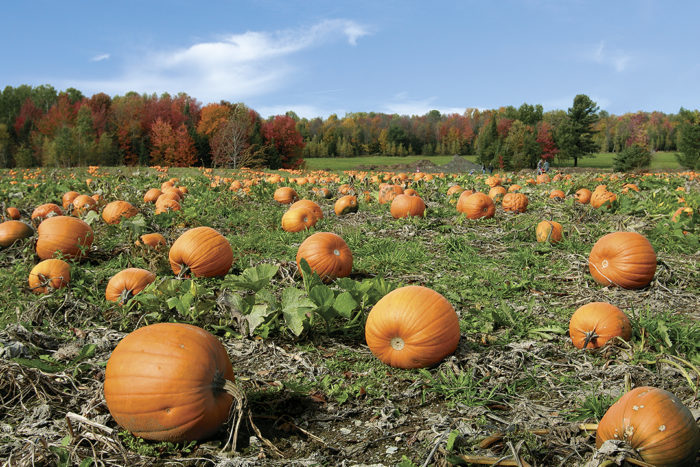
Growing Pumpkins: A Beginner’s Guide
Growing pumpkins is a relatively easy process that requires minimal care and attention. As an annual crop in temperate zones, pumpkins are highly resistant to diseases when given sufficient space for growth.
Choosing the Right Variety
When it comes to growing pumpkins, there are two main options: ornamental and edible varieties. Ornamental pumpkins are grown solely for decoration, while edible varieties can be used for cooking and eating. Some popular edible pumpkin varieties include:
- Spaghetti Pumpkin: A unique variety with a long, thin shape.
- Hokkaido Pumpkin: Known for its sweet flavor and tender flesh.
- Butternut Pumpkin: A small, round variety with a sweet and nutty flavor.
Not All Pumpkins Are Edible
It’s essential to note that not all pumpkins are suitable for consumption. Some varieties are grown solely for decoration or have toxic properties. Be sure to only consume pumpkins from trusted sources.
Sourcing Pumpkins
To find the right variety of pumpkin, consider visiting local nurseries or online marketplaces. You can also check out reputable seed companies that offer a wide range of pumpkin seeds.
When to Plant
The ideal time to plant pumpkins depends on your location and climate. In general, it’s best to plant pumpkins in late March or early April for a successful harvest.
Sowing Pumpkin Seeds
To sow pumpkin seeds, follow these steps:
- Choose a spot with well-draining soil and full sun.
- Sow 3-5 seeds per hole, about 1 inch deep.
- Water the soil gently but thoroughly.
- Keep the soil consistently moist during the germination period.
Caring for Your Pumpkin Plant
Once your pumpkin plant has germinated, it’s essential to provide it with proper care:
- Space: Give each plant plenty of space (at least 150-200 cm) to spread out and receive adequate sunlight.
- Watering: Keep the soil consistently moist, especially during hot summer days.
- Fertilization: Feed your pumpkin plant with compost or fertilizer regularly to promote healthy growth.
Pruning and Training
To encourage bushy growth and fruit production, prune your pumpkin plant regularly:
- Remove any weak or spindly vines.
- Train the main stem to grow upwards, using stakes or a trellis for support.
- Prune back any sprawling branches to maintain a compact shape.
Pest Control
Keep an eye out for pests like aphids, whiteflies, and squash bugs:
- Use neem oil or insecticidal soap to control infestations.
- Remove infected plants to prevent the spread of disease.
Supporting Your Pumpkin Plant
Provide support for your pumpkin plant as it grows:
- Use stakes or a trellis to keep the plant upright and secure.
- Weigh down any sprawling branches with weights or rocks.
Harvesting Your Pumpkin
The ideal time to harvest pumpkins is when they’re fully mature and have a hard rind. Check for ripeness by gently thumping the pumpkin; if it sounds hollow, it’s ready to be picked!
Cooking with Pumpkins
Once you’ve harvested your pumpkins, it’s time to get cooking! Here are some delicious recipes to try:
- Pumpkin Soup: A comforting and flavorful soup made with roasted pumpkin, onions, garlic, and spices.
- Roasted Pumpkin: A simple but tasty side dish that highlights the natural sweetness of the pumpkin.
- Pumpkin Ravioli: A creative take on traditional pasta, featuring a filling made from pureed pumpkin and topped with sage and brown butter.
Frequently Asked Questions
Here are some common questions people have about growing and cooking with pumpkins:
- Q: Can I grow pumpkins in a container?
A: Yes, you can! Just make sure to provide enough space for the plant to spread out. - Q: How do I store pumpkin seeds?
A: Store pumpkin seeds in an airtight container in a cool, dry place. - Q: Can I use pumpkin puree as a face mask?
A: Yes, pumpkin puree is rich in antioxidants and can be used as a soothing face mask!
Growing pumpkins is a fun and rewarding experience that requires minimal care and attention. By following these steps and tips, you’ll be enjoying delicious homegrown pumpkins in no time!


