
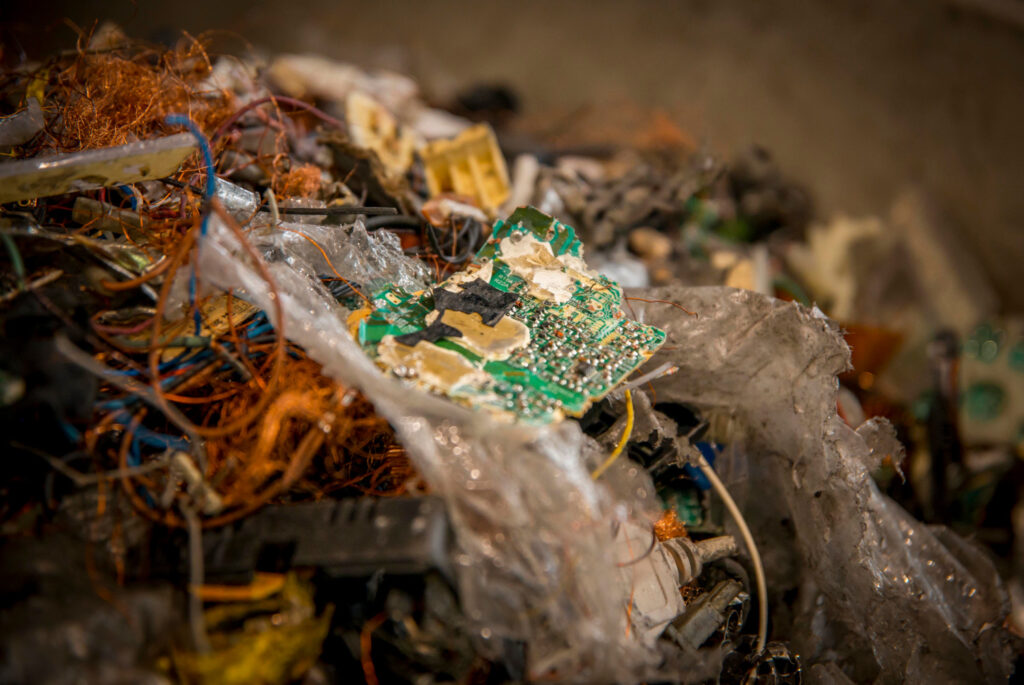
Italy has been struggling with its waste management system for years, and one of the key areas of concern is the electronic waste (e-waste) sector. The country’s reliance on outdated technology, lack of international cooperation, and unclear regulations have hindered the effective disposal of e-waste, resulting in severe environmental and social consequences. In this article, we will explore the issues surrounding Italy’s e-waste management system, known as SISTRI, and why it needs a complete overhaul.
What is SISTRI?
SISTRI stands for Sistema di Controllo della Tracciabilità dei Rifiuti, which translates to “System of Tracking Waste.” It was born in 2009 and entrusted to the control of the Italian Carabinieri, an elite police force responsible for combating organized crime. However, despite its noble intentions, SISTRI has never been implemented effectively due to lack of tools and resources.
The Problem with SISTRI
One of the main issues surrounding SISTRI is that it was designed without sufficient consideration for the complexities of e-waste management. E-waste is a highly regulated sector, requiring specialized knowledge and equipment to handle safely. However, Italy’s e-waste management system lacks clear guidelines and manual procedures, making it challenging for businesses to implement SISTRI effectively.
Challenges in Implementing SISTRI
Many companies operating in Italy are unaware of the importance of SISTRI for managing hazardous electronic waste. The system requires specialized knowledge and equipment to handle e-waste safely, which can be a significant barrier for small and medium-sized enterprises (SMEs). Additionally, the lack of clear regulations and manual guidelines has made it challenging for businesses to implement SISTRI effectively.
The State of E-Waste Management in Italy
Italy’s e-waste management practices are not satisfactory. According to a study by Consorzio ReMedia, only 5% of companies dispose of hazardous waste through designated facilities, while the remaining 70% rely on unapproved third-party collectors. The lack of transparency and accountability has led to environmental concerns, with toxic contamination of soil, air, and water posing a threat to human health and ecosystems.
The Importance of E-Waste Recycling
E-waste contains valuable materials such as copper, gold, and rare earth metals that can be recovered and recycled. By recycling these materials, we can reduce the demand for primary production, lower energy consumption, and decrease greenhouse gas emissions. In fact, a study by the International Telecommunication Union (ITU) found that e-waste recycling can help prevent up to 20% of global greenhouse gas emissions.
The Consequences of Poor E-Waste Management
Poor e-waste management has severe environmental and social consequences. The improper disposal of hazardous waste leads to toxic contamination of soil, air, and water, posing a threat to human health and ecosystems. In addition, the lack of effective e-waste management practices can result in economic losses, as companies may face fines and penalties for non-compliance with regulations.
Conclusion
Italy’s e-waste management system needs significant improvement. The outdated SISTRI system and lack of international cooperation have hindered effective waste tracking and disposal. We must prioritize transparency, accountability, and recycling practices to mitigate the negative impacts of e-waste on the environment and society.
Recommendations for Improvement
To improve Italy’s e-waste management system, several recommendations can be made:
- Invest in Education and Training: Governments and companies should invest in education and training programs to raise awareness about the importance of e-waste recycling and proper disposal practices.
- Develop Clear Regulations: Clear regulations and guidelines are essential for effective e-waste management. Governments should develop and implement policies that promote transparency, accountability, and sustainability.
- Promote International Cooperation: Italy should engage in international cooperation to share best practices and technologies with other countries. This can help improve e-waste management practices and reduce the environmental impacts of e-waste disposal.
- Encourage Recycling: Companies and governments should encourage recycling practices by providing incentives, such as tax breaks or subsidies, for companies that adopt sustainable e-waste management practices.
Case Study: Italy’s E-Waste Management Challenges
To illustrate the challenges faced by Italy in managing e-waste, let’s consider a case study:
In 2019, the Italian city of Turin launched an initiative to recycle electronic waste. The program aimed to collect and process hazardous waste from households and businesses. However, the project faced significant challenges, including lack of awareness among residents and businesses about proper disposal practices.
To address these challenges, the city implemented a comprehensive education campaign, providing clear guidelines on e-waste recycling and proper disposal practices. Additionally, the city established partnerships with local companies and organizations to promote recycling and sustainable e-waste management practices.
The initiative was successful in raising awareness and improving e-waste management practices in Turin. However, it highlights the need for systemic changes in Italy’s e-waste management system to address the country’s broader environmental and social challenges.
International Best Practices
Several countries have implemented effective e-waste management systems, which can serve as best practices for Italy:
- Switzerland: Switzerland has developed a comprehensive e-waste management system, with clear regulations and guidelines for companies and households.
- Sweden: Sweden has implemented a “take-back” system, where manufacturers are responsible for collecting and recycling their products at the end of their life cycle.
- Canada: Canada has established a national program to manage electronic waste, with clear guidelines and regulations for companies and households.
These international best practices can serve as models for Italy’s e-waste management system, promoting transparency, accountability, and sustainability in waste management practices.
Conclusion
Italy’s e-waste management system needs significant improvement. The outdated SISTRI system and lack of international cooperation have hindered effective waste tracking and disposal. By prioritizing transparency, accountability, and recycling practices, Italy can mitigate the negative impacts of e-waste on the environment and society.


