
As a plant enthusiast, you’re likely familiar with the beauty and elegance of orchids. These delicate flowers have been prized for their unique appearance and can add a touch of sophistication to any room. However, caring for orchids requires attention to detail and a willingness to provide them with the right conditions. In this article, we’ll delve deeper into the world of orchid care, exploring the best ways to care for your orchid and keep it thriving.
Understanding Orchid Needs: The Building Blocks of Care
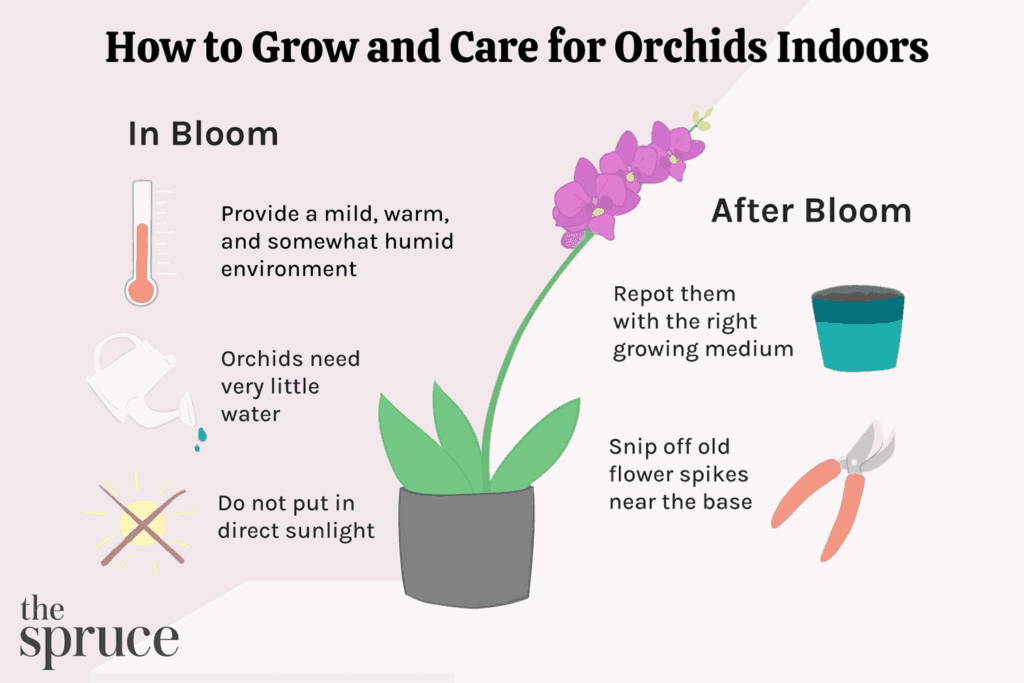
Before we dive into the nitty-gritty of orchid care, let’s take a step back and consider what these plants need to survive. Like all living things, orchids have specific requirements that must be met in order to flourish. They prefer warm temperatures, high humidity, and bright light – but not direct sunlight. This delicate balance is crucial for maintaining the health and beauty of your orchid.
- Temperature: Most orchids thrive in temperatures between 65°F (18°C) and 75°F (24°C). However, some species can tolerate warmer or cooler temperatures.
- Humidity: Orchids love high humidity, typically between 40-70% relative humidity. You can increase the humidity around your plant by placing it on a tray filled with water and pebbles.
- Lighting: While orchids need bright light, direct sunlight can be too intense for them. East- or west-facing windows are ideal for most orchid species.
The Importance of Repotting: Giving Your Orchid a Fresh Start
One of the most critical aspects of orchid care is repotting. As your plant grows, it will outgrow its container, and this can lead to root damage and other problems. If left unchecked, the roots may even start to die back, causing the entire plant to decline. To prevent this, you’ll need to repot your orchid regularly, usually every 1-3 years.
How to Repot an Orchid: A Step-by-Step Guide
Repotting an orchid can seem intimidating, but it’s actually a straightforward process. Here are the steps to follow:
- Choose a pot that is slightly larger than the current one: This will give your roots room to grow and reduce the risk of root damage.
- Remove any dead or rotting roots: Use scissors or pruning shears to carefully remove any damaged or dying roots.
- Trim back the old potting mix: Use a spoon or chopsticks to gently loosen the old potting mix, taking care not to damage the roots.
- Replace the old potting mix with fresh material: Choose a high-quality potting mix specifically designed for orchids, and follow the manufacturer’s instructions for mixing and watering.
Tips for Keeping Your Orchid Happy: A Comprehensive Guide
In addition to repotting, there are several other things you can do to keep your orchid thriving. Here are some tips to get you started:
- Avoid overwatering: While orchids need water to survive, they don’t like it when their roots are constantly saturated. Make sure to check the moisture level of the potting mix before watering again.
- Provide bright light: Orchids love bright light, but direct sunlight can be too intense for them. East- or west-facing windows are ideal for most orchid species.
- Maintain high humidity: Orchids thrive in humid environments, typically between 40-70% relative humidity. You can increase the humidity around your plant by placing it on a tray filled with water and pebbles.
Recognizing Signs of Stress: A Guide to Identifying Common Issues
While caring for your orchid is relatively straightforward, there are several signs that may indicate stress or illness. Here are some common issues to look out for:
- Yellowing leaves: This can be caused by too much light, underwatering, or root damage.
- Browning tips: This can be a sign of overwatering, underwatering, or exposure to extreme temperatures.
- Leaf curl: This can be caused by lack of humidity or poor air circulation.
Frequently Asked Questions: A Comprehensive Guide to Orchid Care
Here are some frequently asked questions about orchid care that we’ve answered below:
Q: How often should I water my orchid?
A: The frequency of watering depends on the specific species of your orchid, as well as the climate and environment in which it’s growing. As a general rule, you can start with once a week and adjust based on the plant’s response.
Q: Can I grow an orchid indoors?
A: Yes! Orchids are one of the few plants that thrive in indoor conditions. With proper care and attention to their needs, they can bloom beautifully year-round.
Q: How do I know if my orchid is healthy?
A: A healthy orchid will have bright green leaves, white or colored flowers, and sturdy stems. If your plant is showing signs of stress or illness, such as yellowing leaves or browning tips, it may need some extra TLC.
Q: Can I propagate an orchid from cuttings?
A: Yes! Orchids can be propagated using stem or leaf cuttings. This is a great way to share plants with friends or expand your collection.
Q: How long do orchids bloom for?
A: The length of time that an orchid blooms depends on the specific species and growing conditions. Some orchids may bloom for weeks, while others may only bloom for a few days.
Q: Can I grow multiple orchids together?
A: Yes! Orchids can be grown together in harmony with other plants or flowers. Just make sure to choose varieties that have similar growing requirements.
Q: How do I fertilize my orchid?
A: Fertilizing your orchid depends on the specific species and its growth stage. A balanced, water-soluble fertilizer is usually sufficient for most orchids.
By following these tips and guidelines, you can help keep your orchid happy and thriving. With patience, practice, and a willingness to learn, you’ll be well on your way to becoming an expert in the care and cultivation of these beautiful plants.


