
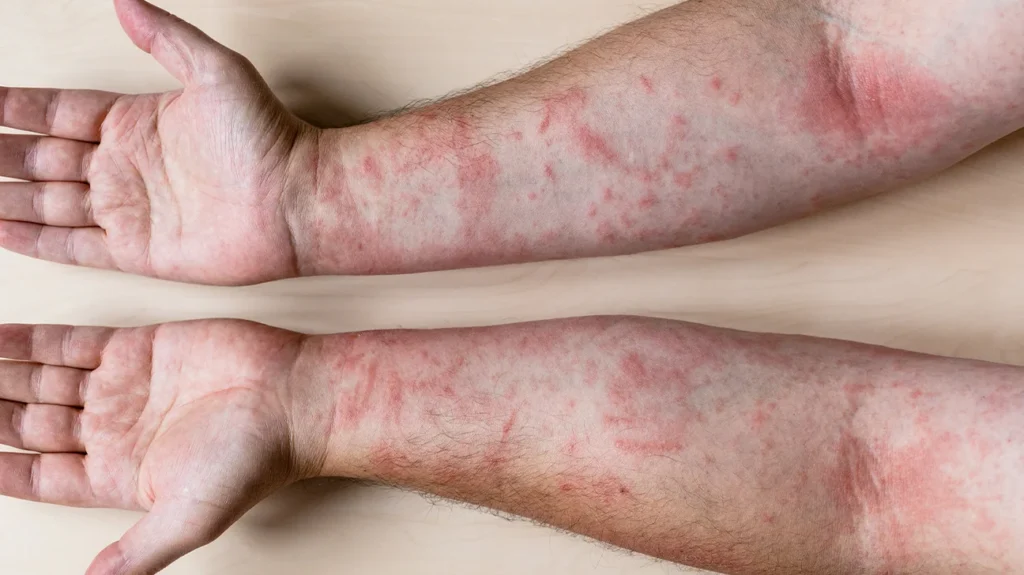
If you’re experiencing pruritus all over your body, it’s time to consult a dermatologist. The truth is, there are many possible causes of body pruritus, and excluding underlying medical conditions, allergies, or inflammation is crucial. In this article, we’ll delve into the most common and often underreported cause of body pruritus: dehydration.
What Is Body Pruritus?
Body pruritus refers to an intense itching sensation that occurs all over the body. It can be caused by various factors, including allergies, skin conditions, or even psychological factors. If left untreated, body pruritus can lead to discomfort, anxiety, and a poor quality of life.
The Hidden Cause: Dehydration
Dehydration is often overlooked as a potential cause of body pruritus. However, it’s essential to consider this factor, especially if you’re experiencing itching sensations on your skin. When your body is dehydrated, it can lead to a range of symptoms, including:
- Dry skin
- Flaky skin
- Itchy skin
- Skin irritation
The Connection Between Dehydration and Body Pruritus
When your body is dehydrated, it loses its natural moisture barrier. This can cause your skin to become dry, flaky, and itchy. The loss of moisture also disrupts the skin’s natural pH balance, leading to inflammation and irritation.
How to Identify Dehydration as a Cause of Body Pruritus
Identifying dehydration as a potential cause of body pruritus requires attention to several factors:
- Thirst: If you’re feeling thirsty, it may be a sign that your body needs more fluids.
- Urine Output: If you’re not urinating enough, it could be a sign of dehydration.
- Skin Appearance: If your skin appears dry and flaky, it may be a sign of dehydration.
How to Combat Dehydration-Related Body Pruritus
Combating dehydration-related body pruritus requires a multi-faceted approach:
- Drink Plenty of Water: Drinking plenty of water is essential to maintaining proper hydration levels.
- Eat Hydrating Foods: Consuming foods rich in electrolytes, such as bananas and avocados, can help replenish fluids and support skin health.
- Apply Moisturizers: Applying moisturizers regularly can help lock in moisture and soothe dry, itchy skin.
Other Potential Causes of Body Pruritus
While dehydration is an often underreported cause of body pruritus, there are many other potential causes to consider:
- Allergies: Allergic reactions can cause intense itching sensations on the skin.
- Skin conditions: Conditions such as eczema, psoriasis, and dermatitis can all lead to itchy skin.
- Inflammation: Chronic inflammation can lead to dry, flaky skin and itching sensations.
- Psychological factors: Stress, anxiety, and other psychological factors can contribute to body pruritus.
Managing Body Pruritus
Managing body pruritus requires a comprehensive approach that addresses the underlying causes of the condition. This may involve:
- Consulting a dermatologist: A dermatologist can help identify the underlying cause of body pruritus and develop a treatment plan.
- Using topical treatments: Topical creams, ointments, and sprays can help soothe itchy skin and reduce inflammation.
- Taking oral medications: Oral medications such as antihistamines and corticosteroids can help alleviate itching sensations and reduce inflammation.
- Practicing good hygiene: Keeping the skin clean and moisturized can help prevent irritation and reduce itching sensations.
Conclusion
Body pruritus is a common condition that can be caused by various factors. However, dehydration is often overlooked as a potential cause. By understanding the connection between dehydration and body pruritus, you can take steps to combat this issue and maintain healthy, hydrated skin.
Frequently Asked Questions
- Q: Can dehydration cause itchy skin?
A: Yes, dehydration can lead to dry, flaky, and itchy skin. - Q: How can I prevent dehydration-related body pruritus?
A: Drinking plenty of water, eating hydrating foods, and applying moisturizers regularly can help prevent dehydration-related body pruritus. - Q: Can dehydration cause other health problems?
A: Yes, dehydration can lead to a range of health problems, including headaches, fatigue, and dizziness. - Q: How long does it take for dehydration to resolve?
A: The time it takes for dehydration to resolve depends on various factors, including the severity of dehydration and individual hydration levels. In general, drinking plenty of water and consuming hydrating foods can help replenish fluids and support skin health within a few days. - Q: Can dehydration be treated at home?
A: Yes, dehydration can be treated at home by drinking plenty of water, eating hydrating foods, and applying moisturizers regularly. However, if symptoms persist or worsen, it’s essential to seek medical attention. - Q: Are there any herbal remedies that can help with dehydration-related body pruritus?
A: Yes, several herbal remedies have been traditionally used to support hydration and skin health, including coconut water, aloe vera, and green tea. However, it’s always best to consult with a healthcare professional before trying new herbal remedies. - Q: Can dehydration affect the skin in different ways for different people?
A: Yes, dehydration can affect the skin in different ways for different people. For example, some individuals may experience more severe dryness and flakiness, while others may experience only mild itching sensations. - Q: How can I prevent dehydration-related body pruritus from returning?
A: Drinking plenty of water regularly, eating hydrating foods, and applying moisturizers regularly can help prevent dehydration-related body pruritus from returning. It’s also essential to maintain good hydration habits throughout the day, rather than relying on a single drink or meal. - Q: Can dehydration cause other skin conditions?
A: Yes, dehydration can contribute to the development of various skin conditions, including eczema, acne, and psoriasis. Maintaining proper hydration levels and adopting healthy lifestyle habits can help prevent these conditions from developing or worsening.


