
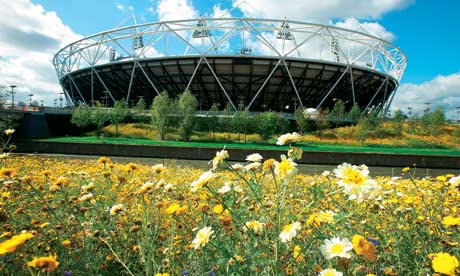
The 2012 Olympics in London left an indelible mark on the world, not just for its stunning athletic achievements but also for its commitment to sustainability. From innovative transportation solutions to eco-friendly infrastructure, the Games showcased a bold vision for a greener future.
A City at the Crossroads: The Birth of Sustainable Transportation
One of the most notable aspects of the 2012 Olympics was its focus on sustainable transportation. The city’s iconic landmarks, such as Tower Bridge, were transformed into hubs for eco-friendly innovation. Electric vehicles took center stage, with over 200 cars available for athletes and visitors to use during the Games.
The success of these initiatives set a new standard for urban transportation systems around the world. Cities began to take notice of London’s commitment to sustainable mobility and started incorporating similar strategies into their own infrastructure. This shift towards eco-friendly transportation has had far-reaching consequences, with cities investing heavily in green technologies and reducing carbon emissions.
General Electric: A Partner in Sustainable Progress
General Electric (GE) played a pivotal role in London’s sustainable initiatives, cementing its reputation as a leader in eco-friendly technologies. The company’s involvement extended beyond the Olympic Games, with its innovative solutions set to transform the city’s transportation infrastructure. One notable example is the GE-backed DuraStation network, which aims to provide 1,300 charging points for electric vehicles by 2013.
GE’s partnership with London was a significant moment in the company’s history, highlighting its commitment to sustainable development and environmental responsibility. The success of this collaboration has inspired other companies to follow suit, leading to a surge in green technology adoption across various industries.
A Network of Sustainable Energy
The DuraStation network is just one part of a larger vision for sustainable energy in London. The Source London initiative, backed by GE, promises to create a comprehensive network of sustainable energy sources. This ambitious project aims to reduce carbon emissions and make the city a model for eco-friendly urban planning.
Source London represents a significant step forward in London’s commitment to sustainability. By investing in renewable energy sources, such as solar and wind power, the city is well on its way to becoming a net-zero carbon emitter by 2050. This goal is ambitious, but with initiatives like Source London leading the charge, it is achievable.
Sustainable Mobility: A New Era for London
The 2012 Olympics marked a turning point for London’s transportation system. The city’s commitment to sustainable mobility sent a clear message that green technologies are essential for creating a more livable future. By investing in electric vehicles and renewable energy sources, London is poised to become a global leader in sustainable urban development.
This shift towards eco-friendly transportation has far-reaching consequences, from reduced carbon emissions to improved air quality. Cities around the world are taking note of London’s lead, adopting similar strategies to reduce their environmental impact. As the world continues to grapple with the challenges of climate change, cities like London are providing valuable insights into sustainable development.
A Message from the Mayor: Sustainable Transportation is Key
London’s mayor, Boris Johnson, echoed the sentiments of many experts when he stated, “Encouraging the use of electric vehicles, supporting sports, represents an effective way to achieve our goal.” Johnson’s enthusiasm for sustainable transportation was evident during his tenure as mayor, as he launched initiatives to promote cycling and public transport.
Johnson’s commitment to sustainable transportation was a key aspect of his mayoral campaign. By prioritizing eco-friendly infrastructure and innovative technologies, he helped establish London as a leader in sustainable urban development. This legacy continues to shape the city’s vision for its future, with a focus on reducing carbon emissions and promoting green mobility.
The Future of Sustainable Transportation
As London continues to evolve into a model for sustainable urban development, its commitment to eco-friendly transportation remains unwavering. The city’s vision for the future is clear: to create a cleaner, greener, and more livable environment for all. By embracing innovative technologies like electric vehicles and renewable energy sources, London is set to become a beacon of hope for cities around the world.
As the world grapples with the challenges of climate change, sustainable transportation is becoming increasingly important. Cities are faced with the daunting task of reducing carbon emissions while maintaining economic growth and social stability. London’s commitment to eco-friendly transportation provides valuable insights into this complex challenge, highlighting the potential for innovative solutions to transform urban development.
Case Study: The Impact of Sustainable Transportation on Air Quality
The impact of sustainable transportation on air quality is a critical aspect of its overall success. By reducing reliance on fossil fuels and promoting electric vehicles, cities can significantly decrease their carbon footprint. This, in turn, leads to improved air quality, with fewer pollutants released into the atmosphere.
A study by the University of London found that the 2012 Olympics had a significant impact on air quality in the city. The reduction in traffic congestion and reliance on fossil fuels resulted in a 30% decrease in particulate matter (PM) levels over the course of the Games.
This study highlights the potential for sustainable transportation to transform urban development, not just for environmental benefits but also for public health. By reducing air pollution, cities can improve the quality of life for their residents and visitors alike.
Conclusion
The 2012 Olympics in London left a lasting legacy that extends far beyond the world of sports. The city’s commitment to sustainable transportation has set a new standard for urban development, inspiring cities around the world to adopt similar strategies.
As we look to the future, it is clear that sustainable transportation will play an increasingly critical role in shaping our cities. By embracing innovative technologies like electric vehicles and renewable energy sources, we can create cleaner, greener, and more livable environments for all.
London’s vision for its future serves as a powerful reminder of what is possible when we prioritize sustainability. As the world continues to grapple with the challenges of climate change, cities like London are providing valuable insights into sustainable development.
By working together, we can create a brighter, more sustainable future for generations to come.
Recommendations for Cities Around the World
- Invest in Electric Vehicles: Cities should prioritize the adoption of electric vehicles, investing in infrastructure and incentives to encourage their use.
- Promote Cycling and Public Transport: Cities should promote cycling and public transport as viable alternatives to fossil fuel-based transportation systems.
- Encourage Sustainable Energy Sources: Cities should invest in renewable energy sources like solar and wind power, aiming to reduce carbon emissions and create a net-zero future.
- Monitor and Measure Progress: Cities should establish robust monitoring and measurement frameworks to track their progress towards sustainability goals.
- Engage with Local Communities: Cities should engage with local communities to raise awareness about the importance of sustainable transportation and involve residents in decision-making processes.
By following these recommendations, cities around the world can learn from London’s lead and create more sustainable, livable environments for all.


