
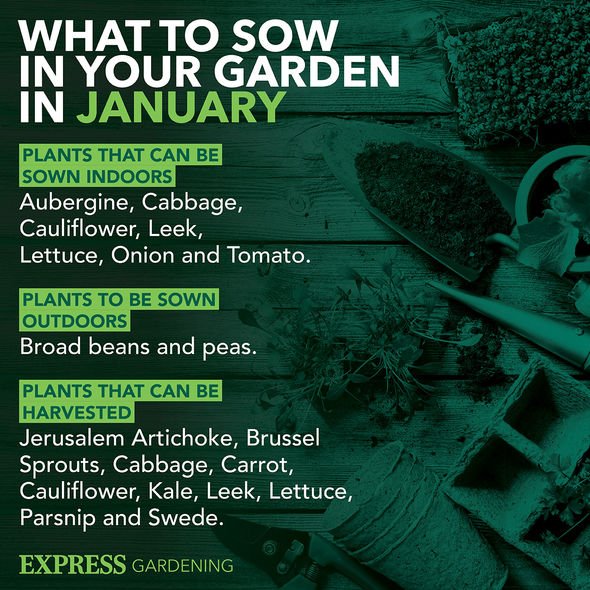
As the weather starts to cool down, many gardeners begin thinking about what to plant in their gardens. January is a great time to start planting certain vegetables and herbs that thrive in cooler temperatures. In this article, we will explore what to plant in your garden in January, how to care for them, and provide tips on how to get the most out of your gardening efforts.
What Can You Plant in January?
January is an ideal time to plant a variety of vegetables and herbs that are sensitive to frost. Some popular options include:
- Bulbs such as garlic, onions, shallots, and leeks
- Brassicas like broccoli, cauliflower, kale, and cabbage
- Root vegetables like carrots, beets, and turnips
- Leafy greens like lettuce, spinach, and arugula
- Herbs like basil, mint, and cilantro
These plants are ideal for January planting because they can tolerate cooler temperatures and will have a head start on the growing season. By planting them in early January, you’ll be able to enjoy a fresh harvest of delicious fruits and vegetables throughout the winter months.
What to Plant in Full Sun
If you live in a region with full sun, you can plant a variety of vegetables and herbs that thrive in direct sunlight. Some popular options include:
- Carrots
- Radishes
- Cucumbers
- Melons
- Squash
- Tomatoes (in warmer climates)
Full-sun plants require at least 6 hours of direct sunlight per day to grow well. Make sure to choose a location that receives plenty of sunlight and provide your plants with adequate care, including regular watering and fertilization.
What to Plant in Partial Shade
If your garden receives partial shade, you can plant a variety of vegetables and herbs that prefer shadier conditions. Some popular options include:
- Lettuce and other leafy greens
- Spinach
- Arugula
- Kale and other brassicas
- Herbs like mint and cilantro
Partial-shade plants require less direct sunlight than full-sun plants, but still need at least 4 hours of indirect sunlight per day to grow well. Choose a location that receives dappled shade or morning sun, and provide your plants with regular watering and fertilization.
Sowing Seeds Indoors
If you don’t have a greenhouse or indoor growing space, you can still start sowing seeds indoors. This will give your seedlings a head start on the growing season and allow them to mature more quickly. Some popular options for indoor sowing include:
- Tomatoes
- Peppers
- Cucumbers
- Squash
- Herbs like basil and mint
When sowing seeds indoors, make sure to follow these tips:
- Choose a variety of seed that is suitable for the temperature range in your area.
- Follow the instructions on the seed packet for the correct sowing depth and spacing.
- Use a high-quality potting mix that drains well to prevent waterlogged soil.
- Keep the soil consistently moist during the germination period.
Tips for Sowing Seeds in January
When sowing seeds in January, it’s essential to follow some basic tips to ensure success:
- Choose a variety of seed that is suitable for the temperature range in your area.
- Follow the instructions on the seed packet for the correct sowing depth and spacing.
- Use a high-quality potting mix that drains well to prevent waterlogged soil.
- Keep the soil consistently moist during the germination period.
How to Care for Your Plants
Once you’ve planted your seeds, it’s essential to provide your plants with proper care. Here are some tips:
- Watering: Make sure your plants receive adequate moisture, but avoid overwatering.
- Temperature: Most vegetables and herbs prefer daytime temperatures between 65-75°F (18-24°C) and nighttime temperatures around 55-65°F (13-18°C).
- Fertilization: Use a balanced fertilizer that is suitable for the type of plant you’re growing.
- Pruning: Regular pruning will help promote healthy growth and prevent disease.
Conclusion
January can be an excellent time to start planting your garden, especially if you live in a region with mild winters. By following the tips outlined in this article, you’ll be well on your way to growing a thriving and productive garden. Remember to choose the right variety of seed for the temperature range in your area, follow the instructions on the seed packet, and provide your plants with proper care.
Frequently Asked Questions
- What are some good vegetables to plant in January?
Some popular options include broccoli, cauliflower, kale, cabbage, carrots, beets, turnips, lettuce, spinach, arugula, and herbs like basil, mint, and cilantro. - Can I plant tomatoes in January?
Yes, you can plant tomatoes in January, but make sure to choose a variety that is suitable for the temperature range in your area and provide them with adequate care. - How do I prepare my soil before planting seeds in January?
Before planting seeds in January, it’s essential to prepare your soil by adding organic matter like compost or manure to improve its fertility and structure. - What is the best way to water my plants in January?
Water your plants consistently during the germination period, but avoid overwatering, which can lead to root rot and other problems. -
Can I grow herbs indoors in January?
Yes, you can grow herbs indoors in January using a potting mix specifically designed for indoor growing and providing them with adequate light and water. -
How long does it take for seeds to germinate in January?
The time it takes for seeds to germinate in January can vary depending on the type of seed and environmental conditions. Generally, most seeds germinate within 7-14 days. -
What are some common mistakes gardeners make when planting seeds in January?
Some common mistakes include: -
Planting seeds too deep or too shallow
- Not providing adequate light or water
- Not using a suitable variety of seed for the temperature range in your area
-
Not preparing the soil properly before planting
-
How can I prevent pests and diseases from affecting my plants in January?
To prevent pests and diseases from affecting your plants, make sure to: -
Use organic pest control methods whenever possible
- Inspect your plants regularly for signs of disease or pests
- Practice good sanitation techniques like removing weeds and debris
-
Provide adequate air circulation around your plants
-
How can I protect my plants from frost in January?
To protect your plants from frost in January, make sure to: -
Use row covers or other forms of protection to prevent damage from frost
- Bring potted plants indoors if possible
- Plant cold-hardy varieties that are resistant to frost
-
Mulch around the base of your plants to insulate them and prevent damage
-
What are some winter gardening tips for beginners?
Some winter gardening tips for beginners include: -
Start small and begin with easy-to-grow plants like lettuce, spinach, or herbs.
- Choose varieties that are resistant to frost and can tolerate cooler temperatures.
- Use cold frames or other forms of protection to extend the growing season.
- Learn about companion planting and how different plants interact with each other.
By following these tips and advice, you’ll be well on your way to growing a thriving and productive garden in January. Happy gardening!


