
Introduction
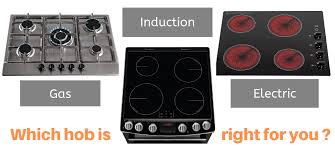
When it comes to choosing a cooktop, there are numerous options available in the market. With various features and benefits, selecting the right one can be overwhelming. In this article, we will delve into the world of cooktops and explore the pros and cons of different types, including gas, electric, induction, ceramic, and pellet.
What to Consider When Choosing a Cooktop
Before making a decision, it’s essential to consider several factors that affect your cooking needs and preferences. These include:
- Energy consumption and costs
- Type of cooking (e.g., stir-frying, braising, or boiling)
- Aesthetics and design
- Technological advancements and features
- Budget and maintenance requirements
Cooktop Types: A Comprehensive Overview
1. Induction Cooktops
Induction cooktops have gained popularity in recent years due to their energy efficiency and ease of use. They work by generating a magnetic field that induces an electric current in a pan, allowing for fast and precise heat control.
- Pros: Energy-efficient, easy to clean, and safe
- Cons: High upfront cost, requires specific cookware, and potential health concerns related to magnetic fields
2. Ceramic Cooktops (Electric and Radiant)
Ceramic cooktops are a popular choice due to their ease of use and affordability. They work by heating up a ceramic element when an electric current is applied.
- Pros: Easy to clean, affordable, and suitable for most cooking techniques
- Cons: Less energy-efficient than induction or gas cooktops, and may require more frequent maintenance
3. Electric Cooktops
Electric cooktops are a classic choice for many households. They work by heating up a coil or element when an electric current is applied.
- Pros: Affordable, easy to use, and suitable for most cooking techniques
- Cons: Less energy-efficient than other options, may require more frequent maintenance, and can be less aesthetically pleasing
4. Gas Cooktops
Gas cooktops are a popular choice among professional chefs due to their precision and control.
- Pros: Precise heat control, fast cooking times, and suitable for most cooking techniques
- Cons: Requires gas line installation, can be hazardous if not installed correctly, and may require more frequent maintenance
5. Pellet Cooktops (Termocucine)
Pellet cooktops are a relatively new innovation that combines the functionality of stoves with the convenience of electric cooking.
- Pros: Energy-efficient, easy to use, and suitable for both indoor and outdoor use
- Cons: High upfront cost, limited availability, and potential technical issues
Induction Cooktops: Pros, Cons, and Maintenance
Induction cooktops have gained popularity in recent years due to their energy efficiency and ease of use. However, they also come with some drawbacks.
-
Pros:
- Energy-efficient: Induction cooktops use electromagnetic fields to heat up pans, making them more energy-efficient than traditional electric or gas cooktops.
- Easy to clean: Induction cooktops are easy to clean as they do not have any moving parts and can be cleaned with a soft cloth and mild soap.
- Safe: Induction cooktops are safe as they cannot heat up without the presence of a compatible pan, reducing the risk of burns or fires.
-
Cons:
- High upfront cost: Induction cooktops are more expensive than traditional electric or gas cooktops, especially high-end models with advanced features.
- Requires specific cookware: Induction cooktops can only be used with compatible cookware that has a ferromagnetic bottom. Non-ferrous pans may not heat evenly or at all.
- Potential health concerns: Some people have raised concerns about the safety of induction cooktops and their potential impact on human health.
Ceramic Cooktops: Pros, Cons, and Maintenance
Ceramic cooktops are a popular choice due to their ease of use and affordability. However, they also come with some drawbacks.
-
Pros:
- Easy to clean: Ceramic cooktops are easy to clean as they have a smooth surface that can be cleaned with a soft cloth and mild soap.
- Affordable: Ceramic cooktops are generally less expensive than induction or gas cooktops, making them a more affordable option for many households.
- Suitable for most cooking techniques: Ceramic cooktops can be used for most cooking techniques, including frying, boiling, and baking.
-
Cons:
- Less energy-efficient: Ceramic cooktops are less energy-efficient than induction or gas cooktops, especially when compared to electric stovetops.
- May require more frequent maintenance: Ceramic cooktops may require more frequent cleaning and maintenance to prevent damage and extend their lifespan.
Electric Cooktops: Pros, Cons, and Maintenance
Electric cooktops are a classic choice for many households. However, they also come with some drawbacks.
-
Pros:
- Affordable: Electric cooktops are generally less expensive than induction or gas cooktops, making them a more affordable option for many households.
- Easy to use: Electric cooktops are easy to use as they have a simple interface that makes it easy to adjust the heat level and switch between cooking modes.
- Suitable for most cooking techniques: Electric cooktops can be used for most cooking techniques, including frying, boiling, and baking.
-
Cons:
- Less energy-efficient: Electric cooktops are less energy-efficient than induction or gas cooktops, especially when compared to other electric stovetops.
- May require more frequent maintenance: Electric cooktops may require more frequent cleaning and maintenance to prevent damage and extend their lifespan.
Gas Cooktops: Pros, Cons, and Maintenance
Gas cooktops are a popular choice among professional chefs due to their precision and control. However, they also come with some drawbacks.
-
Pros:
- Precise heat control: Gas cooktops offer precise heat control that allows for fast cooking times and even heating.
- Suitable for most cooking techniques: Gas cooktops can be used for most cooking techniques, including frying, boiling, and baking.
- Fast cooking times: Gas cooktops can achieve high temperatures quickly, making them ideal for cooking methods like searing and browning.
-
Cons:
- Requires gas line installation: Gas cooktops require a gas line installation, which can be expensive and time-consuming.
- Can be hazardous if not installed correctly: Gas cooktops can be hazardous if not installed correctly, as they require proper ventilation to prevent carbon monoxide buildup.
Pellet Cooktops: Pros, Cons, and Maintenance
Pellet cooktops are a relatively new innovation that combines the functionality of stoves with the convenience of electric cooking. However, they also come with some drawbacks.
-
Pros:
- Energy-efficient: Pellet cooktops use compressed wood pellets as fuel, making them more energy-efficient than traditional gas or electric cooktops.
- Easy to use: Pellet cooktops are easy to use as they have a simple interface that makes it easy to adjust the heat level and switch between cooking modes.
- Suitable for both indoor and outdoor use: Pellet cooktops can be used indoors and outdoors, making them ideal for those who enjoy cooking in different settings.
-
Cons:
- High upfront cost: Pellet cooktops are more expensive than traditional electric or gas cooktops, especially high-end models with advanced features.
- Limited availability: Pellet cooktops may be harder to find in local stores and online marketplaces due to their relatively new technology.
Conclusion
Choosing the right cooktop depends on various factors, including your cooking needs, preferences, and budget. By understanding the pros and cons of different types, you can make an informed decision that suits your lifestyle.
Here are some frequently asked questions to help you further:
- What is the most energy-efficient cooktop option?
- Can I use a non-stick pan on an induction cooktop?
- How do I maintain my ceramic cooktop?
- Can I install a gas line for my electric cooktop?
- What are the benefits of using a pellet cooktop?
Feel free to ask me if you have any more questions.


