
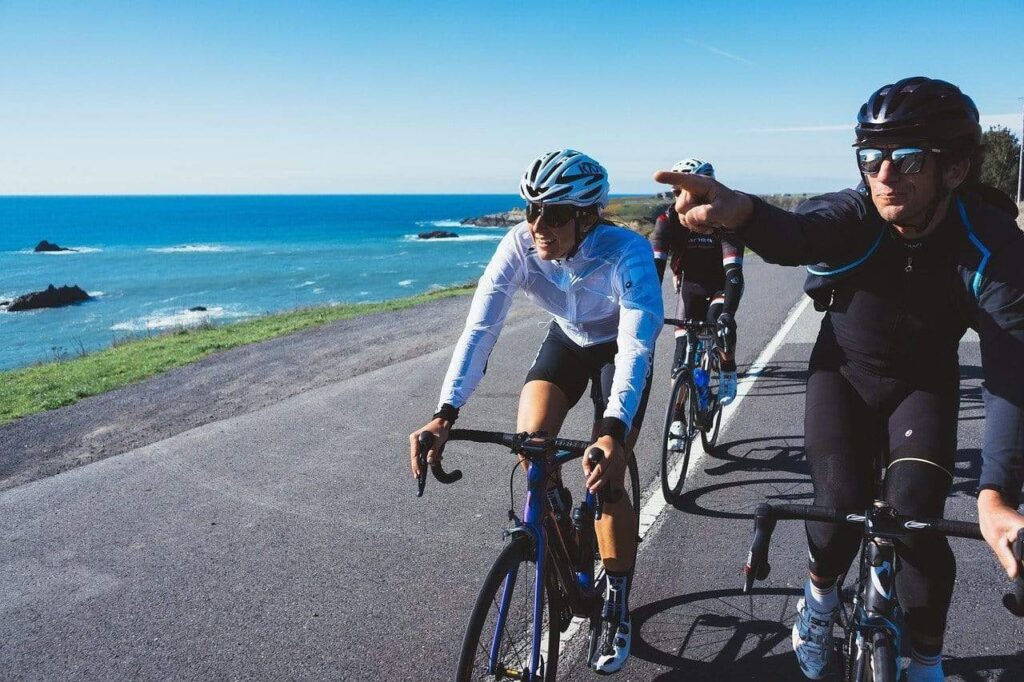
As we navigate the complexities of modern life, it’s essential to consider our impact on the environment. One simple yet effective way to reduce our carbon footprint is by cycling. Not only is it a great workout, but it also has numerous health benefits and can be a fun way to explore new places.
In Europe, cycling has become increasingly popular, with many people opting for bike tours during their leisure time. Whether it’s a short ride on the weekends or a longer trip, cycling offers an exciting opportunity to connect with nature and enjoy the great outdoors. With the rise of cycling tourism, various websites and apps have emerged, providing valuable resources for cyclists, including route descriptions and travel diaries.
However, before hitting the road, it’s crucial to choose the right bike. This might seem like a straightforward task, but there are several factors to consider, such as the type of terrain you’ll be riding on and your personal preferences. In this article, we’ll explore the different types of bikes available, how to select the perfect one for your needs, and provide tips on what to wear and pack for a comfortable and enjoyable ride.
Choosing the Right Bike
The first step in choosing a bike is to decide between a city bike and a mountain bike. While both types of bikes have their advantages, they cater to different riding styles and terrains. If you’re planning to ride on paved roads or bike paths, a city bike is an excellent choice. On the other hand, if you’ll be tackling rugged terrain, such as hills or mountains, a mountain bike is the way to go.
When selecting a bike, it’s essential to consider your height, posture, and riding style. A bike that fits well will provide a comfortable and efficient ride. Look for a bike with a proper saddle height, handlebar position, and wheel size. Don’t neglect the importance of a comfortable saddle and handlebars; a poor-fitting bike can lead to discomfort, pain, and even injury.
Types of Bikes
- City Bike: Designed for riding on paved roads or bike paths, city bikes are ideal for short trips around town or commuting to work.
- Mountain Bike: Built for rugged terrain, mountain bikes feature wider tires, suspension systems, and stronger frames to handle steep hills, rocky trails, and other challenging conditions.
- Hybrid Bike: A versatile option that combines elements of both city and mountain bikes, hybrid bikes are suitable for a variety of terrain and riding styles.
- Commuter Bike: Designed specifically for daily commuting, commuter bikes often feature fenders, lights, and racks to make your ride more practical and comfortable.
Dressing for Success
When it comes to dressing for cycling, comfort and practicality are key. Cycling clothing has come a long way in recent years, with many brands offering high-quality, breathable fabrics that wick away moisture and keep you cool during intense rides. When selecting your cycling gear, remember the following essentials:
- Comfortable shorts or cycling pants
- Breathable tops or jerseys
- A pair of supportive cycling shoes
- Gloves to improve grip and reduce blisters
Packing the Right Gear
When packing for a bike trip, it’s essential to keep things light and manageable. Here are some essentials to include in your backpack:
- A water bottle or hydration pack
- A basic toolkit, including Allen wrenches and tire levers
- A spare tube and tire
- A pump or CO2 cartridge
- Snacks and energy bars
- A first-aid kit
The Code of the Road
Before hitting the road, it’s essential to familiarize yourself with local traffic laws and regulations. In many countries, cyclists are required to wear reflective gear, carry a helmet, and follow specific rules of the road.
Remember, cycling is not only an environmentally friendly mode of transportation but also an excellent way to explore new places and experience the great outdoors. With the right bike, gear, and knowledge, you’ll be well on your way to becoming a confident and responsible cyclist.
Frequently Asked Questions
- What type of bike should I choose for my first ride?
- If you’re new to cycling, consider renting or borrowing a city bike. They are generally easier to handle and more comfortable than mountain bikes.
- How do I choose the right saddle height for my bike?
- To determine your ideal saddle height, stand over the bike with your leg almost fully extended and place one hand on the handlebars. Your leg should be at a slight angle, with about a 10-15 degree bend in the knee.
- What’s the best way to pack for a long bike ride?
- Pack light and prioritize essentials like water, snacks, and a basic toolkit. Consider using a backpack or panniers to distribute weight evenly.
- Do I need a helmet if I’m riding on paved roads?
- While helmets are not always required by law, they are highly recommended for safety reasons. Even on paved roads, accidents can still happen, and a helmet can help protect your head in case of a collision.
-
Can I ride my bike with wet shoes?
- Avoid riding your bike with wet shoes whenever possible. Wet footwear can lead to slippery pedals and reduced traction, increasing the risk of accidents.
-
How often should I clean and maintain my bike?
- Regular cleaning and maintenance are crucial for extending the life of your bike. Check your local bike shop for specific recommendations on how often to perform tasks like oil changes and tire pressure checks.
- Can I ride my bike in the rain without a helmet?
- While helmets are not required by law, they are still recommended for safety reasons. Wet conditions can make roads slippery and increase the risk of accidents. Consider using a waterproof jacket or poncho to stay dry while riding.
-
How do I deal with potholes and uneven road surfaces when cycling?
- When encountering potholes and uneven road surfaces, slow down gradually and adjust your speed according to the terrain. Avoid making sudden turns or braking, as this can increase the risk of losing control of your bike.
-
Can I ride my bike at night without lights?
- While some roads have designated bike lanes with reflective gear, it’s still essential to use lights when riding in low-light conditions. This helps ensure visibility and reduces the risk of accidents.
-
How do I stay safe while cycling on busy roads?
- When riding on busy roads, follow local traffic laws and regulations. Stay alert, keep your speed in check, and be aware of potential hazards like potholes, debris, or speeding vehicles.
-
What’s the best way to carry a bike for an extended period of time?
- Consider using a bike trailer or hitch rack to transport your bike over long distances. These options provide added protection and stability while minimizing damage to your bike.
-
How do I deal with bike theft or vandalism?
- When traveling, consider registering your bike with local authorities and taking photos of it for identification purposes. Keep valuables secure and use a combination lock whenever possible.
-
Can I ride my bike in the snow without special gear?
- While some bikes can handle light snowfall, it’s essential to have proper gear for riding in snowy conditions. Consider investing in winter-specific tires, gloves, and clothing to stay warm and dry.
- How do I choose a good quality helmet for cycling?
- When selecting a helmet, look for certifications from reputable organizations like the CPSC or Snell Memorial Foundation. Ensure a snug fit and consider factors like ventilation, weight, and adjustability.
- What’s the best way to store my bike during the off-season?
- Store your bike in a dry, secure location away from direct sunlight. Regularly inspect and clean components before storing them for extended periods.
By following these tips and guidelines, you’ll be well on your way to becoming a confident and responsible cyclist. Happy cycling!


