
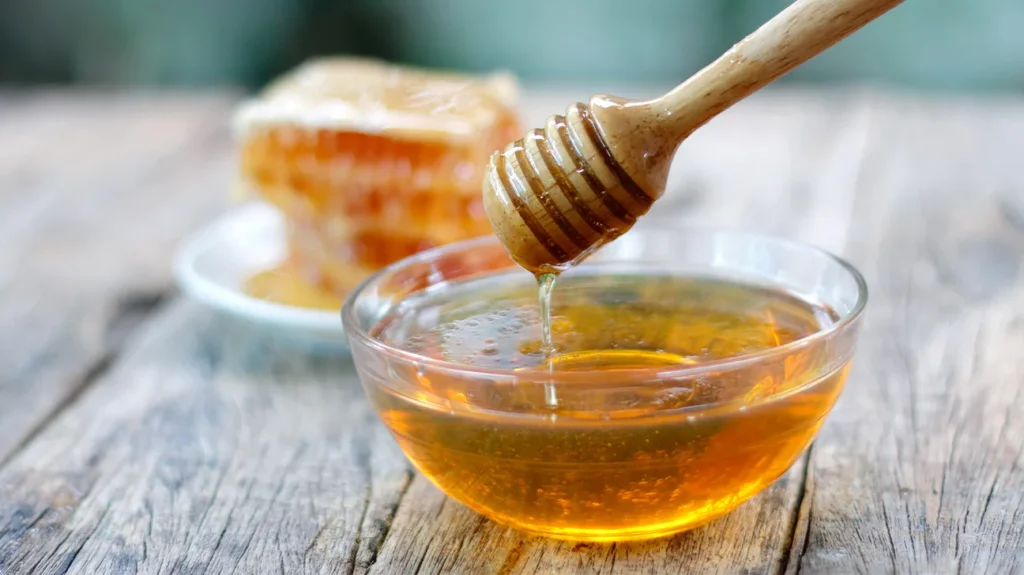
As we navigate the world of natural products, one ingredient stands out for its versatility and potency: organic honey. But what makes it so special? Let’s delve into the world of this golden nectar and explore its numerous benefits, from culinary uses to therapeutic applications.
Understanding Organic Honey
Organic honey is produced by bees that gather nectar from specific flowers within a 3-kilometer radius of the hive. This strict criterion ensures that the honey remains untainted by external factors such as pesticides, herbicides, or industrial pollutants. The resulting product boasts unique characteristics, including varying flavor profiles, aromas, and compositions depending on the type of flowers.
Nutritional Benefits
Organic honey is a nutritional powerhouse, rich in vitamins, minerals, and antioxidants. It’s easily digestible and has been shown to have anti-inflammatory properties, making it an excellent addition to a healthy diet. In fact, some healthcare professionals recommend organic honey as a natural sweetener for those following an hypocaloric diet.
Culinary Uses
Organic honey is a versatile ingredient that can elevate any dish. Its versatility makes it a staple in both kitchens and pastry shops. Paired with aged cheese or vegetables, it adds a delightful balance of flavors. Chefs often rely on organic honey to create sweet and savory sauces for meats, salads, and more.
Therapeutic Benefits
Beyond its culinary uses, organic honey boasts impressive therapeutic benefits. The antibacterial properties make it an effective ingredient in natural skincare routines, promoting healthy skin and reducing inflammation. In fact, a weekly facial treatment using organic honey can leave the skin hydrated, smooth, and radiant.
How to Use Organic Honey for Skin Care
To create a soothing face mask, combine 1 tablespoon of organic honey with 1 tablespoon of sugar cane syrup and warm water. Massage this mixture onto your face, focusing on circular motions near the forehead, nose, and mouth area. Leave it on for five minutes before rinsing with lukewarm water.
Unlocking the Power of Miel di Acacia
Miel di acacia, a type of organic honey, boasts exceptional emollient properties due to its maceration and aromatic process. This unique blend ensures a gentle, nourishing treatment for even the most sensitive skin.
Using Miel di Acacia for Hair Care
Dilute 1 tablespoon of miel di acacia in warm water and apply it to your hair after washing. Massage gently, allowing the mixture to dry before styling.
Benefits for Men: Using Organic Honey as a Post-Shave Treatment
Organic honey is also an excellent post-shave treatment for men. Its antibacterial properties help soothe irritation and calm razor burn.
As we explore the world of organic honey, it’s clear that this natural wonder has more to offer than meets the eye. From its versatility in cooking and baking to its impressive therapeutic benefits, organic honey is a treasure trove of possibilities.
Frequently Asked Questions
- What makes organic honey different from regular honey?
Organic honey is produced by bees collecting nectar from specific flowers within a 3-kilometer radius of the hive. - Is organic honey suitable for diabetics?
While some healthcare professionals recommend organic honey as a natural sweetener, it’s essential to consult with a medical professional before making any dietary changes. - How can I use organic honey in my skincare routine?
Mix 1 tablespoon of organic honey with 1 tablespoon of sugar cane syrup and warm water for a soothing face mask. Massage onto the skin, focusing on circular motions near the forehead, nose, and mouth area. - What are the benefits of using miel di acacia for hair care?
Dilute 1 tablespoon of miel di acacia in warm water and apply it to your hair after washing. Massage gently, allowing the mixture to dry before styling. - Is organic honey safe for children?
While organic honey is generally considered safe for consumption, children under two years old should avoid consuming it due to the risk of botulism. - Can I use organic honey as a natural remedy for cold sores?
Some people claim that applying organic honey directly to affected areas can help alleviate symptoms. However, there’s limited scientific evidence supporting this claim. - How can I store organic honey to maintain its quality?
Store organic honey in an airtight container in a cool, dark place to preserve its flavor and nutritional properties. - Can I use organic honey as a natural preservative for food?
While some studies suggest that organic honey has antimicrobial properties, it’s not recommended as a substitute for commercial preservatives.
Choosing the Right Type of Organic Honey
With so many types of organic honey available, choosing the right one can be overwhelming. Here are a few popular options:
- Manuka honey: Known for its dark color and robust flavor, Manuka honey is prized for its antimicrobial properties.
- Acacia honey: This delicate, floral honey is often used in skincare routines due to its emollient properties.
- Wildflower honey: A blend of nectar from various flowers, wildflower honey offers a sweet and versatile option.
Conclusion
Organic honey is more than just a tasty addition to your cooking routine. Its unique characteristics, nutritional benefits, and therapeutic applications make it an excellent natural resource for both culinary purposes and skincare routines. By choosing the right type of organic honey and incorporating it into your daily life, you can unlock its full potential and reap the rewards of this incredible ingredient.
Sources
- National Institute of Health: “Honey: Potential Antimicrobial Activity”
- European Food Safety Authority: “Honey as a Food Product”
- American Botanical Council: “Honey: A Natural Sweetener”
Additional Resources
- Organic honey recipes and tutorials on YouTube
- Skincare routines featuring organic honey on Pinterest
- Local beekeepers offering honey tasting events


