
The circular economy for reputation and performance of enterprises is at the center of the research presented at the new CRIET Incontra event, held at the University of Milan – Bicocca, on October 17th. Project leader Laura Gavinelli.
In recent years, the concept of sustainability has gained significant attention, particularly in the business world. As companies seek to reduce their environmental impact and improve their social responsibility, they are turning to the circular economy as a way to achieve these goals. The circular economy is an economic model that emphasizes the production-consumption-recycling cycle, leading companies to adopt new technologies and business models focused on longevity, renewability, reuse, repair, updating, knowledge sharing, and dematerialization.
But can a company balance efficiency with social responsibility? How does this balance affect its market position compared to competitors? In order to answer these questions, researchers conducted a quantitative study through a computer-assisted web interview (CAWI) method with proprietors and managers of major companies operating in various European countries. The results of the research presented at the conference will provide insights into how companies can achieve sustainability while maintaining their market competitiveness.
The Importance of Sustainability
Sustainability has become an essential aspect of modern business. Companies that prioritize sustainability are more likely to attract customers who share similar values and to build strong relationships with stakeholders. Moreover, sustainability is becoming a key differentiator for companies in highly competitive markets. By adopting sustainable practices, companies can reduce their environmental impact, improve their reputation, and increase their long-term profitability.
However, achieving sustainability requires significant changes to business models and operations. Companies must invest in new technologies and processes that promote efficiency, reduce waste, and encourage the reuse and recycling of materials. They must also adopt new marketing and communication strategies that highlight their commitment to sustainability.
The Circular Economy and Its Implications
The circular economy is a key driver of sustainability, as it aims to minimize waste and maximize resource efficiency. By adopting circular economy practices, companies can reduce their environmental impact while also improving their bottom line. The circular economy involves the production-consumption-recycling cycle, which encourages companies to design products that are durable, recyclable, and upgradable.
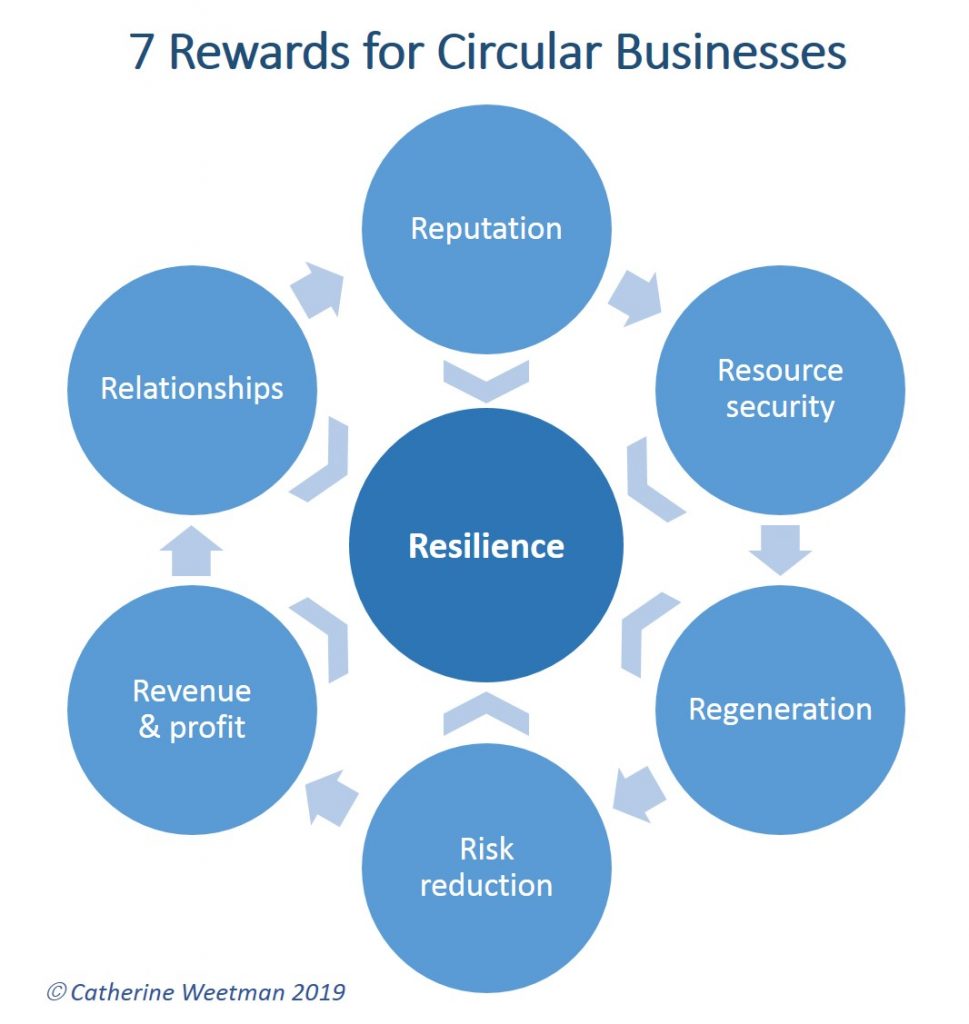
The implications of the circular economy for business are far-reaching. Companies must adopt new strategies for product design, production, distribution, marketing, and end-of-life management. They must also invest in new technologies and processes that promote efficiency and reduce waste. The benefits of the circular economy include reduced costs, improved brand reputation, increased customer loyalty, and access to new markets.
Agenda
Here is the agenda for the conference:
9:30 – Accreditation of participants
10:00 – Salutations and opening of the workshop
Angelo Di Gregorio
Director CRIET, University of Milan-Bicocca
10:10 – Presentation of the research
Laura Gavinelli
Research assistant, University of Milan-Bicocca and CRIET
Andrea Alemanno
Group Director Corporate Reputation, IPSOS Public Affairs
10:40 – Discussant
Manlio Del Giudice
Professor Ordinary of Economics and Entrepreneurship, Polo di Napoli of Link Campus University
Ilaria Ugenti
Research Director, IPSOS Public Affairs
11:00 – Round table discussion:
Riccardo Balducci
Corporate Environmental Manager, Sofidel
Franco Balestrieri
Director Marketing and Communication, GVM
Elisabetta Bracci
Founder and Network Manager, JUMP Facility
Luisa Gulluni
Sustainability and External Relations Department, Costa Crociere S.p.A.
Maria Elena Manzini
CSR Manager, CIRFOOD
Enea Angelo Trevisan
CEO, Ealixir
Moderator:
Angelo Di Gregorio
Director CRIET, University of Milan-Bicocca
12:30 – Closing interventions
Franco Terlizzese
Director DGS-UNMIG, Ministry of Economic Development
About CRIET Incontra
CRIET Incontra is the research activity of the Interuniversity Research Center for Economy and Territory, which aims to compare, on a series of thematic issues of primary interest for territorial development, researchers with decision-makers from major public and private institutions in Italy. Through CRIET Incontra, researchers and experts put their knowledge and research results at your disposal to provide significant contributions to sustainable territorial development and present themselves as operational support for the development of local economies.
The main objective of CRIET Incontra is to help explain the relationships that intertwine on a specific territory between business dynamics and institutional dynamics so that they can assume an adequate role in scientific analysis and strategic evaluation of individual decision-makers.
For more information, please contact [email protected]
Case Studies: The Impact of the Circular Economy
The research study presented at the conference features several case studies that demonstrate the impact of the circular economy on companies’ reputation and performance. These case studies highlight the challenges and opportunities associated with adopting sustainable practices and show how companies can measure their progress towards sustainability goals.
One of the key findings of the research is that companies that adopt circular economy practices experience significant improvements in their brand reputation and customer loyalty. Companies that prioritize sustainability are more likely to attract customers who share similar values, which can lead to increased sales and revenue.
Another key finding is that companies that invest in sustainable technologies and processes can reduce their costs and improve their bottom line. By adopting circular economy practices, companies can reduce waste, minimize resource usage, and optimize production processes.
Sustainable Business Models
The research study also explores the role of sustainable business models in promoting the circular economy. Sustainable business models prioritize environmental sustainability, social responsibility, and economic viability. These models encourage companies to adopt circular economy practices that promote efficiency, reduce waste, and encourage the reuse and recycling of materials.
One of the key benefits of sustainable business models is that they can help companies differentiate themselves from competitors by highlighting their commitment to sustainability. Companies that adopt sustainable business models are more likely to attract customers who share similar values, which can lead to increased sales and revenue.
Communication Strategies
The research study also examines the role of communication strategies in promoting the circular economy. Communication strategies play a critical role in conveying companies’ commitment to sustainability and highlighting their impact on stakeholders. Companies that adopt effective communication strategies are more likely to build strong relationships with customers, investors, and other stakeholders.
One of the key findings of the research is that companies can use various communication channels to promote their sustainable practices, including social media, advertising, public relations, and internal communications. By using these channels effectively, companies can build brand awareness, increase customer loyalty, and improve their reputation.
The Circular Economy in Action
The circular economy is already being implemented by many companies around the world. In the textile industry, for example, companies such as H&M and Patagonia are adopting sustainable production practices that promote waste reduction, energy efficiency, and material reuse.
In the electronics sector, companies such as Apple and Samsung are investing in recycling programs that encourage customers to return used devices for refurbishment or recycling. These programs help reduce electronic waste, minimize resource usage, and optimize production processes.
Conclusion
The circular economy is a key driver of sustainability, and its impact on businesses is far-reaching. By adopting sustainable practices and business models, companies can reduce their environmental impact, improve their brand reputation, increase customer loyalty, and access new markets. The research study presented at the conference highlights the challenges and opportunities associated with adopting circular economy practices and shows how companies can measure their progress towards sustainability goals.
The circular economy is already being implemented by many companies around the world, and its impact will only continue to grow in the future. As consumers become increasingly environmentally conscious, companies that prioritize sustainability are more likely to thrive in a rapidly changing market landscape.
In conclusion, the circular economy for reputation and performance of enterprises is an essential aspect of modern business. By adopting sustainable practices and business models, companies can reduce their environmental impact, improve their brand reputation, increase customer loyalty, and access new markets. The research study presented at the conference highlights the challenges and opportunities associated with adopting circular economy practices and shows how companies can measure their progress towards sustainability goals.
Recommendations for Businesses
Based on the research findings, we recommend that businesses adopt sustainable practices and business models to promote the circular economy. Here are some key recommendations:
- Invest in sustainable technologies and processes that reduce waste, minimize resource usage, and optimize production processes.
- Adopt circular economy practices such as product design, production, distribution, marketing, and end-of-life management that prioritize environmental sustainability, social responsibility, and economic viability.
- Use effective communication strategies to promote sustainable practices and highlight impact on stakeholders.
- Measure progress towards sustainability goals by tracking key performance indicators (KPIs) such as carbon footprint, water usage, waste reduction, and energy efficiency.
- Collaborate with suppliers, customers, and other stakeholders to promote sustainable supply chains and reduce environmental impact.
By adopting these recommendations, businesses can promote the circular economy, reduce their environmental impact, improve their brand reputation, increase customer loyalty, and access new markets.
The Future of Sustainability
As consumers become increasingly environmentally conscious, businesses will need to prioritize sustainability in order to thrive in a rapidly changing market landscape. The circular economy is a key driver of sustainability, and its impact on businesses will only continue to grow in the future.
In the coming years, we can expect to see significant growth in sustainable business practices and technologies that promote waste reduction, energy efficiency, and material reuse. We can also expect to see increased adoption of circular economy models that prioritize environmental sustainability, social responsibility, and economic viability.
As a result, businesses will need to be adaptable and responsive to changing market demands and consumer preferences. They must prioritize sustainability in order to build strong relationships with customers, investors, and other stakeholders.
In conclusion, the future of sustainability is bright, but it will require significant investment and commitment from businesses. By adopting sustainable practices and business models, companies can reduce their environmental impact, improve their brand reputation, increase customer loyalty, and access new markets.
The circular economy for reputation and performance of enterprises is an essential aspect of modern business, and its impact on businesses will only continue to grow in the future. As consumers become increasingly environmentally conscious, businesses will need to prioritize sustainability in order to thrive in a rapidly changing market landscape.


