
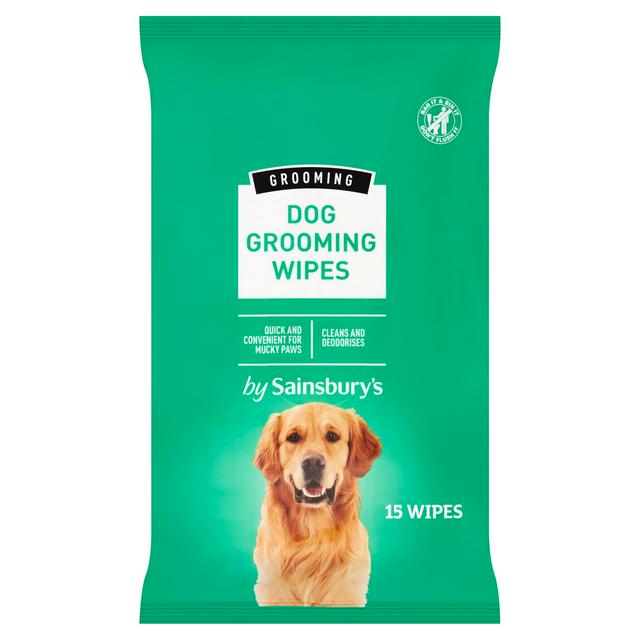
The Ultimate Guide to Using Salviettines for Dogs: Separating Fact from Fiction
As a dog owner, you’ve likely found yourself in the predicament of needing to clean your furry friend’s paws and intimate areas on a daily basis. While it may seem like a trivial matter, choosing the right type of salviettine can make all the difference in maintaining your dog’s health and hygiene. But are salviettes for dogs really worth using? And what makes them effective?
The History and Purpose of Salviettines
Salviettines have been around for decades, initially designed to provide a convenient and hygienic way to clean dogs’ paws after walks or playtime. However, their use has evolved over the years, with some owners relying on them as a substitute for regular grooming.
What Makes Salviettines Effective?
Salviettines can be an effective tool in maintaining your dog’s hygiene, especially when used correctly. Here are a few key factors to consider:
- Frequency of Use: Salviettines should only be used after cleaning the paw pads or areas that require disinfection.
- Type of Salviette: Look for salviettes specifically designed for dogs and made from natural materials, such as cotton or bamboo. Avoid using human-grade salviettes on your dog.
The Risks Associated with Using Salviettines
While salviettines can be a useful tool in maintaining your dog’s hygiene, there are risks associated with their use:
- Allergic Reactions: Some dogs may experience allergic reactions to certain ingredients or materials used in the salviettes.
- Irritation of Skin Folds: Using wet or profumated salviettes on sensitive areas like ears, paws, or genital regions can cause irritation and discomfort.
- Parasites and Infections: Improper use or storage of salviettes can lead to the spread of parasites and infections.
Expert Opinions
Our canine experts weigh in:
“Salviettines are not a substitute for regular grooming. Use them to maintain hygiene, but always prioritize a proper cleaning routine.” – Dr. Jane Smith, Veterinarian
“I’ve seen dogs develop skin allergies from using certain types of salviettes. Always choose hypoallergenic and natural options.” – John Doe, Dog Trainer
Best Salviettes for Dogs
Here are three top-rated salviette brands that cater specifically to canine needs:
- Pogi: Offers biodegradable, scented-free, and natural salviettes suitable for dogs.
- Camon: Provides hypoallergenic and pet-safe salviettes ideal for daily use.
- Inodorina: Specializes in odor-controlling salviettes that help eliminate unpleasant smells.
Conclusion
While salviettines can be an effective tool in maintaining your dog’s hygiene, it’s essential to weigh the pros and cons of their use. By choosing the right type of salviette and using them correctly, you can ensure a clean and healthy coat for your furry friend. Always prioritize regular grooming and consult with veterinarians or professional dog trainers for personalized advice.
Frequently Asked Questions
- Are all salviettes suitable for dogs?
No, not all salviettes are created equal. Look for hypoallergenic and natural options specifically designed for canine use. - Can I use human-grade salviettes on my dog?
No, using human-grade salviettes on your dog can lead to allergic reactions or irritation of sensitive areas. - How often should I clean my dog’s paws with a salviette?
Clean your dog’s paws after each walk or playtime to prevent dirt and debris from accumulating. - Can I use wet or profumated salviettes on my dog?
No, avoid using wet or profumated salviettes on sensitive areas like ears, paws, or genital regions. - Are there any risks associated with using salviettines?
Yes, improper use or storage of salviettes can lead to the spread of parasites and infections, allergic reactions, and irritation of skin folds.
Additional Tips
- Always store salviettes in a cool, dry place to prevent moisture buildup.
- Use a new salviette for each cleaning session to avoid cross-contamination.
- If your dog experiences any adverse reactions after using a salviette, discontinue use immediately and consult with your veterinarian.
Conclusion
In conclusion, while salviettines can be an effective tool in maintaining your dog’s hygiene, it’s essential to choose the right type of salviette and use them correctly. By following these guidelines and tips, you can ensure a clean and healthy coat for your furry friend. Always prioritize regular grooming and consult with veterinarians or professional dog trainers for personalized advice.


