
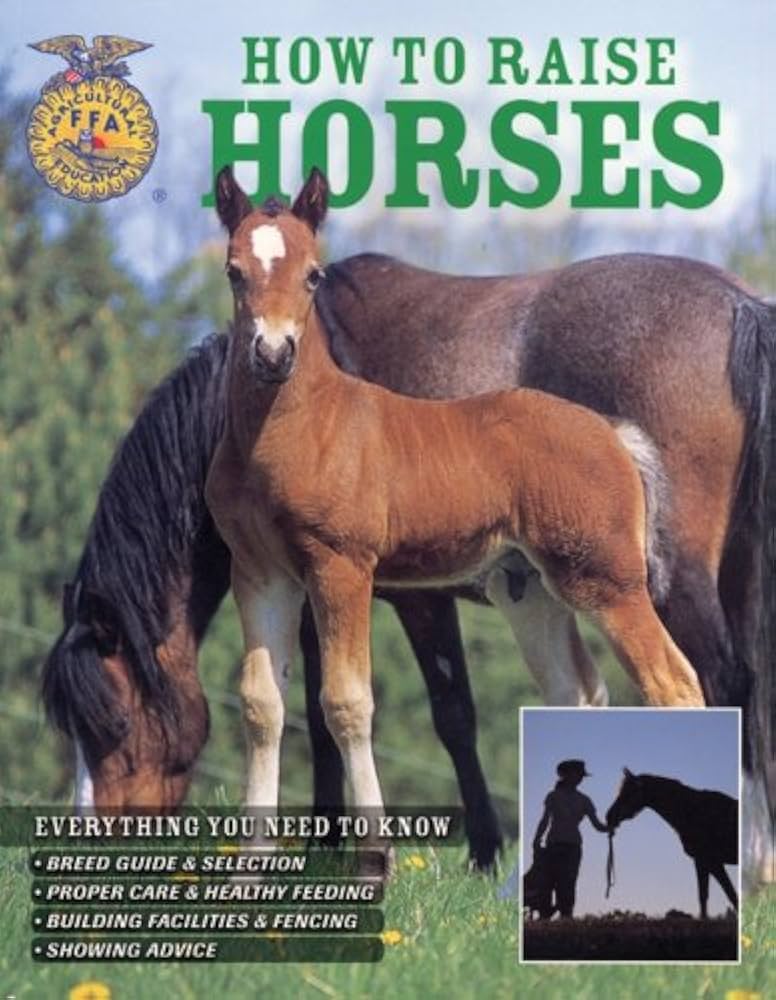
As a horse owner, you know that providing the best possible care for your equine companion is essential. Caring for a horse requires dedication, knowledge of specific techniques, and most importantly, understanding their unique needs and behaviors. In this article, we will delve into the world of horse care, covering topics such as nutrition, daily routine, health and well-being, exercise and training.
Foundations of Equine Nutrition
Equine nutrition is a vital aspect of caring for your horse. Providing a balanced diet that meets their nutritional needs is crucial for maintaining their overall health and well-being. The key components of an equine diet include hay, grains, and supplements. A 1% to 2% body weight daily intake of high-quality hay and a moderate amount of grains are essential for horses.
Choosing the Right Feed
The type of feed you choose depends on your horse’s age, size, breed, and level of activity. A veterinarian or equine nutritionist can help you determine the best diet for your horse. Horses that require more protein-rich feeds may benefit from added supplements such as alfalfa or sweet clover.
Feeding Guidelines
Feed your horse according to their individual needs, taking into consideration factors like age, size, and activity level. Overfeeding can lead to obesity and related health problems, while underfeeding can result in weight loss and decreased performance. Monitor your horse’s weight and adjust their diet accordingly.
- Hay: Provide a high-quality hay that is rich in fiber and low in sugar. Aim for a hay with a moisture content of less than 15%.
- Grains: Choose grains that are formulated specifically for horses, such as oats or corn. Avoid grains high in sugar and fat.
- Supplements: Add supplements like alfalfa or sweet clover to your horse’s diet if they require more protein-rich feeds.
Daily Routine for Your Horse
A daily routine is essential for maintaining your horse’s physical and mental well-being. Regular grooming sessions, including brushing, trimming, and shoeing, help to keep your horse clean, healthy, and comfortable. Regular exercise and training sessions are also crucial for maintaining your horse’s physical fitness and mental balance.
- Grooming: Spend at least 30 minutes daily grooming your horse, including:
- Brushing their coat to remove dirt and tangles
- Trimming their hooves to prevent lameness
- Shoeing their hooves to provide support and protection
- Exercise: Provide regular exercise sessions that cater to your horse’s age, size, breed, and level of activity. Aim for at least 30 minutes daily of:
- Walking
- Trotting
- Galloping
Exercise and Training
Regular exercise and training are vital components of horse care. Providing your horse with a balanced routine that includes regular exercise, such as walking, trotting, and galloping, helps to maintain their physical fitness and prevent health problems like obesity and laminitis. Training sessions can also help to improve your horse’s mental well-being by providing mental stimulation and rewarding good behavior.
- Training: Engage in training sessions daily that focus on:
- Agility
- Balance
- Communication
Veterinary Care
Regular veterinary check-ups are essential for maintaining your horse’s overall health and detecting any potential issues early on. A veterinarian can provide guidance on vaccinations, dental care, and parasite control.
- Vaccinations: Ensure your horse receives all necessary vaccinations to protect against diseases like rabies, tetanus, and equine influenza.
- Dental Care: Schedule regular dental check-ups to prevent oral health problems like tooth decay and abscesses.
- Parasite Control: Use parasite control measures such as deworming medications to prevent internal parasites.
Mental Health and Socialization
Horses are social animals that require interaction with other horses and humans to maintain their mental well-being. Providing your horse with regular socialization opportunities, such as riding lessons or interacting with other horses, can help to prevent behavioral problems like anxiety and depression.
- Riding Lessons: Engage in regular riding lessons to improve your horse’s communication skills and strengthen the bond between you.
- Socialization: Provide your horse with regular socialization opportunities by:
- Introducing them to new horses
- Allowing them to interact with other animals
Common Horse Care Mistakes to Avoid
Some common mistakes horse owners make include:
- Overfeeding, which can lead to obesity and related health problems
- Underfeeding, which can result in weight loss and decreased performance
- Neglecting regular grooming sessions, which can lead to skin irritations and related health issues
- Ignoring dental care, which can lead to oral health problems
By following these guidelines and avoiding common mistakes, you can provide your horse with the best possible care and ensure their overall health, happiness, and well-being.
FAQs
- Q: How often should I feed my horse?
A: The frequency of feeding depends on your horse’s age, size, breed, and level of activity. A veterinarian or equine nutritionist can help you determine the best feeding schedule for your horse. - Q: What is the ideal diet for a young horse?
A: Young horses require more protein-rich feeds to support their growth and development. A high-quality hay and grain feed with added supplements like alfalfa or sweet clover can provide the necessary nutrients. - Q: How often should I groom my horse?
A: Regular grooming sessions, including brushing, trimming, and shoeing, are essential for maintaining your horse’s physical and mental well-being. Aim to groom your horse at least once a day. - Q: What is the importance of regular veterinary care?
A: Regular veterinary check-ups are crucial for detecting any potential issues early on and providing guidance on vaccinations, dental care, and parasite control. - Q: How can I prevent behavioral problems in my horse?
A: Providing your horse with regular socialization opportunities, such as riding lessons or interacting with other horses, can help to prevent behavioral problems like anxiety and depression.
By following these guidelines and providing the best possible care for your horse, you can ensure their overall health, happiness, and well-being. Remember, caring for a horse is a big responsibility, but it’s also incredibly rewarding.


