
Introduction
The Aspromonte National Park is one of the six protected areas in Italy, and its unique blend of natural beauty and cultural richness makes it a must-visit destination for nature lovers and history enthusiasts alike. Located in the Calabrian region, this park covers an area of over 64,000 hectares, making it one of the largest national parks in Italy.
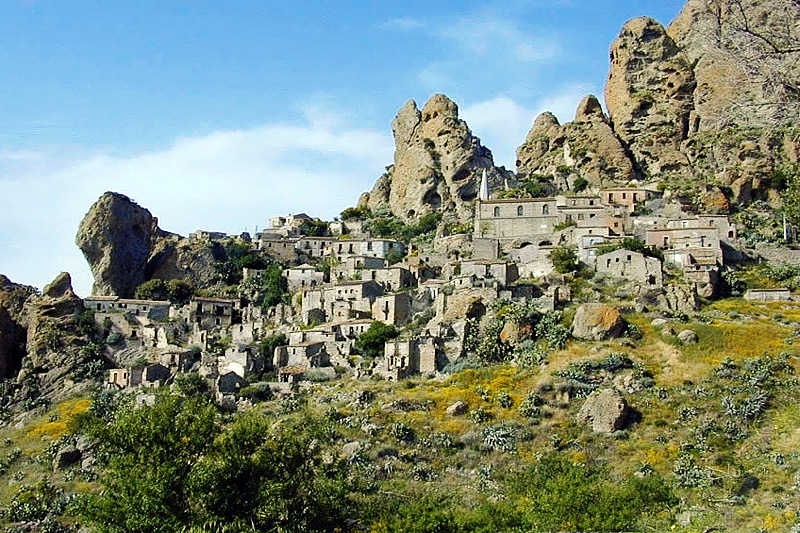
The Aspromonte National Park is a treasure trove of natural wonders, with its granite peaks, rocky outcrops, and picturesque valleys creating a breathtaking landscape that has captivated visitors for centuries. The park’s unique geography, which includes limestone cliffs, alpine meadows, and Mediterranean forests, supports a diverse range of flora and fauna, making it an ideal destination for hikers, birdwatchers, and nature enthusiasts.
In addition to its natural beauty, the Aspromonte National Park is also home to a rich cultural heritage, with evidence of human habitation dating back thousands of years. The park’s strategic location at the crossroads of several ancient trade routes has made it an important hub for commerce, culture, and politics throughout history.
Where to Find Aspromonte National Park
The park is situated in the heart of the Apennine Mountains, stretching across four regions: Calabria, Campania, Lucania, and Basilicata. It covers a vast area of over 40 municipalities, including Africo, Platì, Reggio Calabria, Roccaforte del Greco, Sant’Agata del Bianco, San Luca, Scilla, and Varapodio.
Visitors can access the park via car or public transportation, with several parking areas available throughout the park. The nearest international airport is Bari Airport (BRI), which is located about 120 kilometers from the park’s entrance. From there, visitors can take a bus or taxi to reach the park.
What to See in Aspromonte National Park
The park offers a wide range of activities and attractions for visitors, including:
- Hiking trails: The park has over 400 km of hiking trails, ranging from easy strolls through alpine meadows to challenging climbs up granite peaks.
- Wildlife viewing: Visitors can spot a variety of wildlife, including wolves, wild boars, and rare species of birds and plants.
- Historic sites: The park is home to several historic sites, including the Santuario di San Nicodemo, a 10th-century church built on a hilltop overlooking the surrounding countryside.
- Traditional towns: Visitors can explore traditional towns such as Africo, which features narrow streets, ancient churches, and traditional shops.
- Natural wonders: The park is home to several natural wonders, including the S. Lorenzo waterfall, the Grotta di Sant’Onofrio cave, and the Altopiano di Limina plateau.
Must-Visit Towns and Sites
Africo is a charming town located in the heart of the park, with its historic center featuring narrow streets, ancient churches, and traditional shops. The Santuario di San Nicodemo is another must-visit site, dating back to the 10th century. Bova is a beautiful hilltop town perched on a limestone outcrop, while Gerace is a historic town known for its stunning architecture and rich cultural heritage.
Other notable towns and sites in the park include:
- Platì: A charming town located at the foot of the Altopiano di Limina plateau, with traditional shops, cafes, and restaurants.
- Reggio Calabria: The capital city of the province, which features a historic center with ancient ruins, museums, and cultural attractions.
- Roccaforte del Greco: A hilltop town perched on a granite peak, with stunning views of the surrounding countryside.
Wildlife in Aspromonte National Park
The park is home to a wide range of wildlife, including:
- Wolves: One of Europe’s most endangered species, wolves can be spotted roaming the park’s wilderness areas.
- Wild boars: Also known as wild pigs or feral pigs, these animals are common in the park and can be seen rooting around in the undergrowth.
- Rare birds: The park is home to several rare species of birds, including the Imperial eagle, the Montagu’s harrier, and the Lesser spotted eagle.
- Rare plants: The park is also home to a range of rare plant species, including the Aspromonte rose, the Calabrian silver fir, and the Limina beech.
Conservation Efforts
The Aspromonte National Park is one of Italy’s most protected areas, with conservation efforts aimed at preserving its natural beauty and cultural richness. The park is managed by the Aspromonte Regional Protection Agency (ARP), which works closely with local communities and other stakeholders to protect the park’s resources.
Some of the conservation efforts in place include:
- Habitat restoration: Efforts are underway to restore damaged habitats, including the creation of new wetlands and the reintroduction of native species.
- Wildlife monitoring: Scientists are working to monitor the park’s wildlife populations, including wolves, wild boars, and rare birds.
- Sustainable tourism: The park is promoting sustainable tourism practices, such as eco-tourism and responsible travel, to minimize the impact of tourism on the park’s resources.
Visitor Information
Visitors can access the park via car or public transportation, with several parking areas available throughout the park. There are also several visitor centers and information points where visitors can obtain maps, guides, and advice on how to explore the park. The park’s website provides detailed information on hiking trails, accommodations, and activities.
Some useful contact numbers for visitors include:
- Park administration: +39 0963 53000
- Visitor center: +39 0963 53001
- Tourist information office: +39 0963 53002
Conclusion
Aspromonte National Park is a true natural wonder of Italy, with its stunning landscapes, rich cultural heritage, and diverse wildlife making it a must-visit destination for nature lovers and history enthusiasts alike. Whether you’re interested in hiking, exploring historic towns, or simply taking in the breathtaking views, Aspromonte National Park has something to offer.
Frequently Asked Questions (FAQs)
- Q: Where is Aspromonte National Park located?
A: The park is situated in the Calabrian region of Italy, covering an area of over 64,000 hectares. - Q: What can I see in Aspromonte National Park?
A: The park offers stunning landscapes, historic towns, and diverse wildlife, including wolves, wild boars, and rare species of birds and plants. - Q: How do I get to Aspromonte National Park?
A: Visitors can access the park via car or public transportation, with several parking areas available throughout the park. - Q: What kind of accommodations are available in the park?
A: There are several hotels, B&Bs, and camping sites available within the park, as well as several nearby towns that offer a range of accommodation options. - Q: Can I hike in Aspromonte National Park?
A: Yes, the park offers several hiking trails of varying difficulty, with breathtaking views of the surrounding countryside. - Q: Is Asromonte National Park open year-round?
A: The park is open throughout the year, but some facilities and activities may be closed during winter months due to weather conditions. - Q: Can I bring my dog into the park?
A: Yes, dogs are allowed in certain areas of the park, but must be kept on a leash at all times. - Q: Are there any restrictions on photography or videography within the park?
A: No, visitors are welcome to take photos and videos for personal use, but commercial use requires prior permission from the park authorities.
Additional Resources
For more information about Aspromonte National Park, please visit:
- The park’s official website: www.parcasantonimo.it
- The Italian National Parks Association (ANP): www.anp.it
- The European Nature Information System (EUNIS): www.eunis.org
Glossary of Terms
- Altopiano di Limina: A high-altitude plateau in the park, known for its beech forests and stunning views.
- Aspromonte rose: A rare species of rose that is native to the park’s limestone hillsides.
- Biodiversity hotspots: Areas with exceptionally high levels of biodiversity, such as the park’s Mediterranean macchia habitats.
- Granite peaks: The park’s rugged granite mountains, which offer breathtaking views and challenging hiking opportunities.
- Habitat restoration: Efforts to restore damaged or degraded habitats in the park, including the creation of new wetlands and the reintroduction of native species.


