
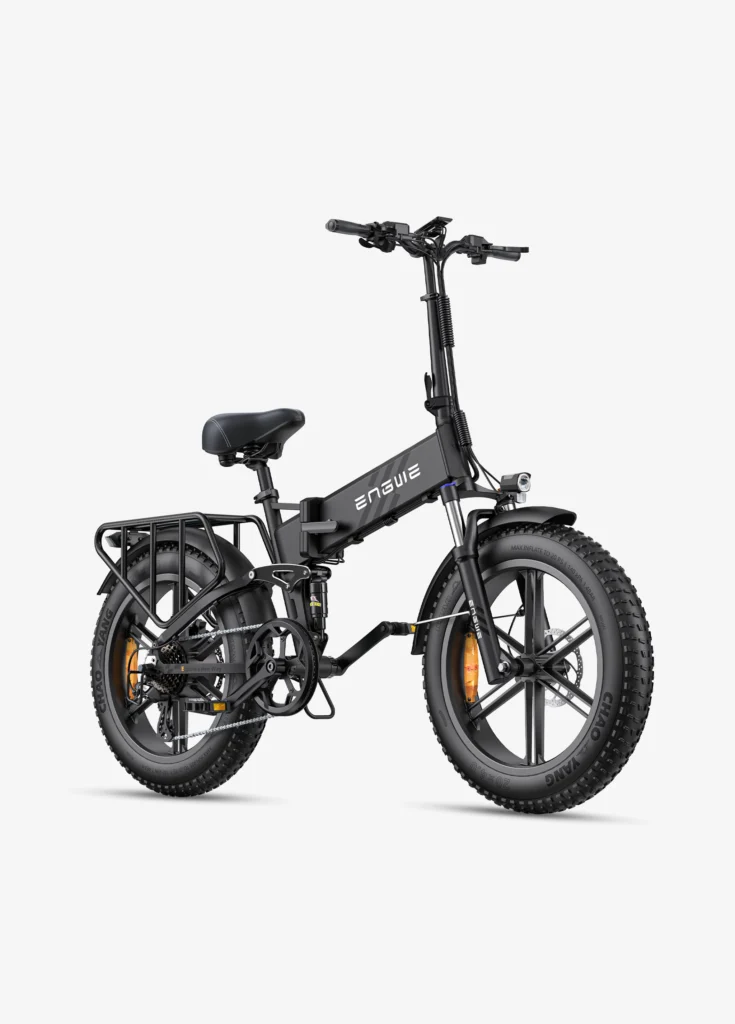
The term “Bici 2.0” refers to a new generation of bicycles that are not only innovative but also surprising. These cutting-edge bikes are pushing the boundaries of what we thought was possible on two wheels. As technology continues to shape our daily lives, even the world of cycling is undergoing a transformation.
What Makes a Bike Innovative?
At first glance, it may seem that innovation is limited to high-tech components like Shimano gears. However, when we look at the current market and upcoming projects, it becomes clear that there’s more to it than meets the eye. Let’s take a closer look at what’s already available and what’s on the horizon.
Innovation in cycling can be categorized into several areas, including:
- E-bikes: Electric bicycles are becoming increasingly popular, offering a sustainable and efficient way to cover long distances.
- Advanced materials: New materials like carbon fiber, titanium, and advanced plastics are being used to create lighter and more durable frames.
- Smart technology: The integration of smartphones and other devices into bikes is making cycling safer, more convenient, and enjoyable.
- Design and aesthetics: The fusion of fashion and function is leading to the creation of stylish and functional bicycles that appeal to a wide range of riders.
Existing Innovations
- The handcrafted wooden bicycle made from Frassino wood, a luxury item for expert cyclists. This unique design combines traditional craftsmanship with modern materials.
- The Bicibus, a pedal-powered carriage designed to transport children to school. A heartwarming example of innovative problem-solving that promotes sustainability and social responsibility.
- The X-9 Nighthawk, a military-grade bicycle that is almost invisible and lightweight like a bottle of water (prototyped). This cutting-edge design showcases the potential for advanced materials in cycling.
- The fastest electric bike in the world, though it’s prohibitively expensive and even illegal! (available for purchase). A testament to the incredible performance capabilities of e-bikes.
- The elegant Peugeot DL122 bicycle, a classic design from the renowned French brand. A beautiful example of timeless style and craftsmanship.
- The Fiat POP bicycle, an Italian-designed masterpiece that combines style with functionality. A delightful blend of form and function that appeals to cyclists of all levels.
- The luxurious Gucci bicycle, a high-end item that’s both practical and extravagant. An opulent example of the “Bici 2.0” movement’s emphasis on style and luxury.
- The VeloChic bicycle, designed specifically for women who value fashion and convenience (prototyped). A thoughtful design that prioritizes comfort and aesthetics.
- The eBike from Smart, a long-awaited and pricey device available this summer. A cutting-edge example of innovative technology that’s set to revolutionize the cycling industry.
Beyond the Obvious
But that’s not all – there are bicycles that focus on symmetry, aerodynamics, and even origami. Take Morltz Menacher’s ultra-lightweight bicycle, which is made using the principles of origami. The frame is constructed by folding a single piece of aluminum into a lightweight yet durable structure (see photo above).
In contrast, the designer Jose Hurtado has developed a bike that leverages symmetry to create a componible and disassemblable design. Each component can be easily removed for repairs, transportation, or storage, making it possible to personalize and customize this “s-componible” bicycle.
The Bici 2.0 Gallery
These innovative bicycles can be admired in our gallery dedicated to the “Bici 2.0”, a collection of cutting-edge and technology-driven models that redefine the cycling experience.
[Insert photos and descriptions of each bike]
Conclusion
As we gaze into the future, it’s clear that the world of cycling is on the cusp of a revolution. With the rise of innovative designs, advanced materials, and technological advancements, the boundaries between functionality and fashion are blurring. Join us as we explore this exciting new frontier and discover what the “Bici 2.0” has in store for us.
Frequently Asked Questions
- What is the Bici 2.0 movement all about?
The “Bici 2.0” refers to a new generation of bicycles that are innovative, surprising, and pushing the boundaries of what’s possible on two wheels. - How does origami contribute to bike design?
Origami-inspired designs use folding techniques to create lightweight yet durable frames, as seen in Morltz Menacher’s ultra-lightweight bicycle. - What makes a bike componible or s-componible?
A componible or s-componible bike has components that can be easily removed for repairs, transportation, or storage, making it possible to personalize and customize the design. - Are eBikes becoming more mainstream?
Yes, eBikes are gaining popularity as technology continues to advance and prices decrease, making them more accessible to a wider audience. - What role will symmetry play in bike design?
Symmetry is being used in various designs, such as Jose Hurtado’s componible bicycle, which leverages the principles of symmetry to create a unique and functional design. - Will luxury brands dominate the Bici 2.0 market?
While luxury brands like Gucci will undoubtedly be part of the “Bici 2.0” scene, innovative designs from smaller manufacturers and startups are also on the rise. - How can I get involved in the Bici 2.0 movement?
Join us by exploring our gallery, attending events, or participating in online forums to stay up-to-date on the latest developments in the world of cycling innovation. - What’s next for the Bici 2.0 revolution?
As technology continues to advance and design boundaries continue to blur, we can expect even more exciting innovations in the world of cycling in the years to come.
The Future of Cycling: Trends and Predictions
As we look ahead to the future of cycling, several trends are likely to shape the industry:
- Increased adoption of eBikes: As technology improves and prices decrease, eBikes will become increasingly popular among cyclists.
- Growing importance of sustainability: Cyclists will prioritize eco-friendly designs and materials that minimize environmental impact.
- Advances in materials science: New materials and manufacturing techniques will enable the creation of lighter, stronger, and more durable frames.
- Integration of technology: Smart technologies will become increasingly prevalent, enhancing safety, comfort, and performance.
- Rise of urban cycling infrastructure: Cities will invest in bike-friendly infrastructure to encourage cycling as a mode of transportation.
The “Bici 2.0” Movement: A Call to Action
As we embark on this exciting journey, we invite you to join us in shaping the future of cycling. Whether you’re a seasoned cyclist or just starting out, there’s never been a better time to be involved in the world of cycling.
Stay tuned for updates on the latest developments in the “Bici 2.0” movement, and get ready to experience the thrilling ride that is the future of cycling!


