
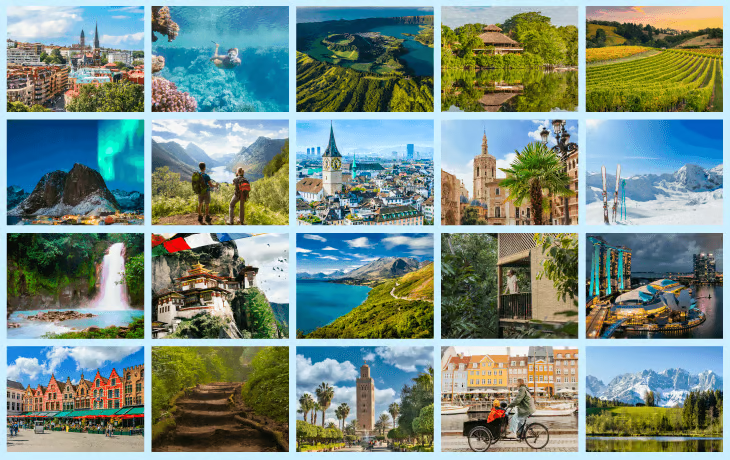
In recent years, the concept of sustainable tourism has become increasingly relevant. Responsible travel reduces environmental impact and contributes to the conservation of natural resources and cultural heritage of destinations. If you’re looking for a way to explore the world while respecting the environment, these five green destinations are perfect for you.
Discovering Sustainable Tourism
Sustainable tourism is not just about traveling; it’s about experiencing different cultures while minimizing our footprint on the planet. By choosing eco-friendly accommodations and participating in environmentally responsible activities, we can make a positive impact on local communities and preserve natural wonders for future generations.
Our Top 5 Sustainable Destinations
In this article, we’ll explore five incredible destinations that embody sustainable tourism practices. From Costa Rica’s lush rainforests to Norway’s stunning fjords, each location offers unique opportunities to connect with nature while supporting environmentally conscious tourism.
1. Costa Rica: A Paradise of Biodiversity
Costa Rica is a brilliant example of sustainable tourism and environmental conservation. With over 5% of the world’s animal and plant species, this small Central American country is a haven for wildlife enthusiasts and eco-tourists alike. Visitors can explore numerous national parks and nature reserves, such as Corcovado National Park and Monteverde Cloud Forest Reserve, where they can spot an incredible variety of wildlife.
Costa Rica offers a range of eco-lodges that allow tourists to stay immersed in nature without compromising comfort. These sustainable accommodations use eco-friendly practices like solar energy, water recycling, and waste reduction. Activities such as hiking, birdwatching, rafting, and canopy tours are organized to minimize environmental impact and promote conservation.
The Costa Rican government has implemented numerous initiatives to promote sustainable tourism, including the Sustainable Tourism Certification (CST), which rewards accommodations and tour operators that meet rigorous environmental and social standards. Visiting Costa Rica means not only enjoying breathtaking landscapes but also supporting one of the most environmentally conscious countries in the world.
2. Iceland: A Land of Fire and Ice
Iceland is a unique destination where nature and renewable energy coexist harmoniously. This Nordic island nation is renowned for its stunning landscapes, including active volcanoes, geysers, hot springs, and glaciers. The Icelandic government has invested heavily in renewable energy, primarily using geothermal and hydroelectric power to make Iceland one of the most eco-friendly countries in the world.
Tourists can explore Iceland’s natural wonders by participating in eco-friendly excursions, such as glacier hikes, ice cave visits, and whale watching, which are organized to minimize environmental impact. Many accommodations in Iceland adopt sustainable practices like using renewable energy, recycling, and reducing waste.
The promotion of sustainable tourism is a central commitment for Iceland, reflected in the rigorous regulation of tourist activities to protect delicate ecosystems. Visiting Iceland means immersing yourself in breathtaking landscapes while supporting environmentally responsible tourism practices that preserve the environment.
3. Bhutan: The Land of Happiness
Bhutan is known not only for its stunning landscapes but also for its commitment to maintaining a balance between development and sustainability. Located between India and China, this small Himalayan kingdom has adopted an unique approach to tourism, regulating visitor numbers to preserve its culture and natural environment.
One of the most fascinating aspects of Bhutan is its Gross National Happiness (GNH) policy, which prioritizes citizens’ well-being and environmental sustainability over economic growth at all costs. This approach also reflects in the tourism sector, where visitors are encouraged to participate in authentic experiences that respect local traditions and nature.
Bhutan offers a wide range of cultural and natural attractions, including ancient monasteries, Buddhist temples, and trekking routes like the famous Druk Path Trek. Visitors can stay in eco-friendly accommodations and participate in sustainable ecotourism programs that promote conservation of natural resources and support local communities.
The Bhutanese government has implemented a high-value, low-impact policy, which includes a daily tariff for tourists to fund sustainable development projects and environmental protection. Visiting Bhutan means immersing yourself in a rich and unique culture while contributing to the preservation of one of the world’s most pristine environments.
4. Norway: Fjords and Clean Energy
Norway is one of the greenest destinations in the world, known for its breathtaking fjords, mountains, and unspoiled landscapes. This Scandinavian country is renowned for its commitment to renewable energy, primarily using hydroelectric power to provide most of the country’s electricity.
Tourists can explore Norway’s natural wonders by participating in eco-friendly activities like hiking, cycling, kayaking, and trekking on well-maintained trails that minimize environmental impact. Cruises on fjords have become increasingly environmentally friendly, with ships designed to reduce emissions and preserve these fragile ecosystems.
Norway is also a pioneer in sustainable tourism, with many accommodations adopting eco-friendly practices like using recycled materials, reducing waste, and improving energy efficiency. Norwegian cities like Oslo and Bergen are known for their efficient public transportation systems, making it easy and environmentally friendly to explore.
5. Slovenia: The Heart of Europe
Slovenia is a hidden gem in the heart of Europe, famous for its green landscapes, national parks, and commitment to sustainability. This small country is a pioneer in sustainable tourism, offering a wide range of eco-friendly activities and accommodations.
One of Slovenia’s strongpoints is the Triglav National Park, a protected area that offers a variety of outdoor activities like hiking, climbing, and cycling. The Ljubljana Lake District and Bohinj Lake are also breathtakingly beautiful, providing opportunities for swimming, kayaking, and relaxation in an unspoiled natural environment.
Slovenian cities, such as the capital Ljubljana, are models of sustainable urban development. Ljubljana was named European Green Capital in 2016 due to its efforts to improve quality of life through eco-friendly practices like reducing emissions, recycling, and using resources efficiently. The city is easily walkable or bikeable, with numerous cycling paths and green spaces.
Eco-friendly accommodations are widespread throughout Slovenia, from glamping in the woods to organic farm stays that offer local produce and sustainable practices. Visitors can participate in wine gastronomy tours that promote local cuisine and sustainable agriculture.
Conclusion
Exploring these five sustainable destinations offers the chance to live unforgettable experiences while respecting and preserving the environment. Sustainable tourism not only enriches your journey but also contributes to protecting natural resources and cultural heritage for future generations.
Frequently Asked Questions
- What is sustainable tourism?
Sustainable tourism refers to responsible travel practices that minimize environmental impact, support local communities, and promote conservation of natural resources and cultural heritage. - How can I make my trip more eco-friendly?
There are many ways to reduce your environmental footprint on a trip, including choosing eco-friendly accommodations, participating in environmentally responsible activities, and reducing waste and energy consumption. - What is the most sustainable destination for me?
Each of our top five destinations offers unique opportunities for sustainable tourism. Consider factors like climate, culture, and accessibility when choosing the perfect spot for your next adventure. - How can I support local communities through sustainable tourism?
Supporting local communities through sustainable tourism involves participating in authentic experiences that respect local traditions and culture, as well as supporting local businesses and initiatives that promote conservation and community development. - What are some of the most environmentally friendly accommodations?
From eco-lodges to organic farm stays, there are many options for sustainable accommodations that prioritize environmental sustainability and social responsibility.
Additional Resources
For more information on sustainable tourism and our top five destinations, visit Happy Traveler.
Sustainable Tourism Tips and Tricks:
- Choose accommodations that use renewable energy sources.
- Opt for eco-friendly transportation methods like walking, cycling, or public transport.
- Participate in environmentally responsible activities like hiking, birdwatching, or wildlife watching.
- Reduce your waste by bringing reusable bags, water bottles, and containers.
- Support local businesses and communities that promote sustainability.
The Benefits of Sustainable Tourism:
- Conservation of natural resources and cultural heritage.
- Reduced environmental impact through eco-friendly practices.
- Economic benefits for local communities through sustainable tourism initiatives.
- Improved quality of life for visitors through authentic experiences.
- Preservation of biodiversity and ecosystem balance.
Conclusion:
Exploring the world while respecting the environment is not only a moral obligation but also an exciting adventure. By choosing sustainable destinations like Costa Rica, Iceland, Bhutan, Norway, and Slovenia, you’ll be contributing to the preservation of natural resources, cultural heritage, and local communities.


