
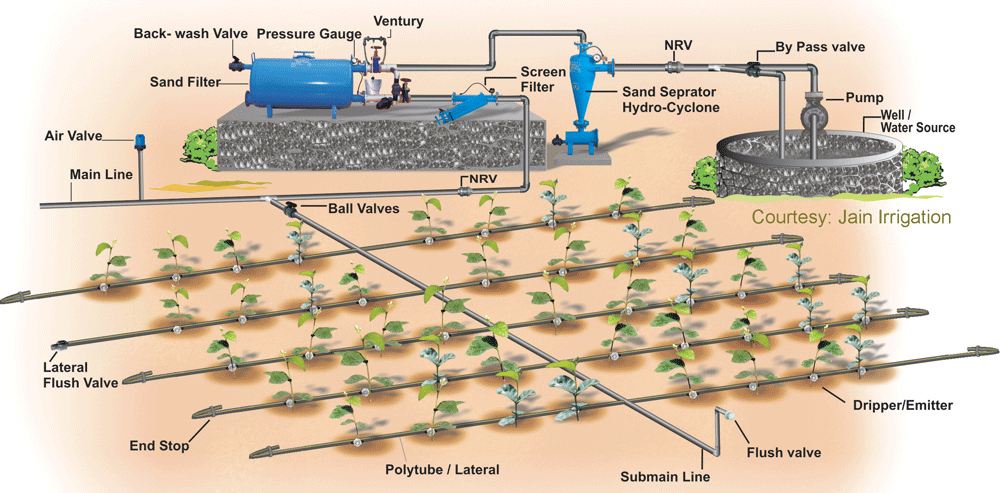
As a gardener, selecting the right irrigation system is crucial to prevent water waste and ensure the health of your crops. There are several types of irrigation systems available, each with its unique characteristics and benefits. In this article, we will explore four common irrigation systems used in small gardens and orchards: sprinkler irrigation, flood-and-infiltrate irrigation, dripper irrigation, and drip irrigation.
Understanding the Different Types of Irrigation Systems
Sprinkler Irrigation (a.k.a. Rain Shower)
Sprinkler irrigation is suitable for crops like lettuce, spinach, and other leafy greens that require consistent moisture levels. This system involves sprinkling water over the soil to provide a general water supply. Sprinkler irrigation is easy to install and maintain but can lead to water waste if not done correctly.
Flood-and-Infiltrate Irrigation
This ancient method of irrigation involves creating channels or furrows in the soil where water flows through, allowing it to infiltrate the ground. This system is ideal for crops like tomatoes, cucumbers, and zucchini. Flood-and-infiltrate irrigation is a cost-effective option but requires careful planning to avoid clogging.
Dripper Irrigation
Dripper irrigation uses small tubes with emitters that release water directly onto the soil, reducing evaporation and runoff. This system is perfect for vegetables like carrots, beets, and radishes that require consistent moisture levels. Dripper irrigation is more expensive than other systems but saves water in the long run.
Drip Irrigation
Similar to dripper irrigation, drip irrigation uses micro-tubing with emitters that provide a controlled amount of water directly to the roots of plants. This system is ideal for small gardens and orchards where precision watering is crucial. Drip irrigation reduces water waste and minimizes soil compaction.
Analyzing Each System’s Pros and Cons
Sprinkler Irrigation (a.k.a. Rain Shower)
Pros: Easy installation, cost-effective
Cons: Can lead to water waste if not done correctly, may require additional sprinkler systems for specific crops
Flood-and-Infiltrate Irrigation
Pros: Cost-effective, reduces soil compaction
Cons: Requires careful planning to avoid clogging, not suitable for all types of crops
Dripper Irrigation
Pros: Reduces evaporation and runoff, ideal for vegetables with consistent moisture needs
Cons: More expensive than other systems, requires regular maintenance
Drip Irrigation
Pros: Precise watering control, reduces water waste, minimizes soil compaction
Cons: More expensive than other systems, requires a complex network of micro-tubing
When to Choose Each System
- Sprinkler irrigation for lettuce, spinach, and other leafy greens that require consistent moisture levels.
- Flood-and-infiltrate irrigation for tomatoes, cucumbers, and zucchini that thrive in moist environments.
- Dripper irrigation for carrots, beets, and radishes that need precise watering control.
- Drip irrigation for small gardens and orchards where precision watering is crucial.
Tips for Implementing an Effective Irrigation System
- Monitor soil moisture levels to ensure optimal water application
- Use weather-resistant components to minimize equipment damage
- Regularly inspect and maintain irrigation systems to prevent clogging and breakdowns
By understanding the different types of irrigation systems available, you can choose the best system for your small garden or orchard. Remember to consider factors like crop type, soil moisture levels, and water availability when selecting an irrigation system.
Frequently Asked Questions
Q: What is the most cost-effective irrigation system?
A: Flood-and-infiltrate irrigation is a cost-effective option but requires careful planning to avoid clogging.
Q: Which irrigation system reduces water waste the most?
A: Drip irrigation minimizes water loss and saves water in the long run.
Q: How often should I inspect my irrigation system?
A: Regularly check for signs of wear, damage, or blockages to ensure optimal performance.
Q: What crops are suitable for drip irrigation?
A: Carrots, beets, radishes, lettuce, spinach, and other vegetables with consistent moisture needs thrive in this system.
Q: Can I use sprinkler irrigation on my balcony or patio?
A: No, sprinkler irrigation is not recommended for small containers or balconies due to excessive water usage.
Q: What is the ideal time of day for irrigation?
A: Irrigate during early morning hours when solar radiation is low to prevent evaporation and runoff.
Q: How can I measure soil moisture levels accurately?
A: Use a soil probe or sensor to monitor soil moisture, adjusting irrigation accordingly.
Additional Considerations
- Soil Type: Different types of soils require different irrigation systems. For example, sandy soils may benefit from flood-and-infiltrate irrigation, while clay soils may be better suited for drip irrigation.
- Climate: Climate plays a significant role in determining the best irrigation system for your garden or orchard. In areas with high temperatures and low humidity, drip irrigation is often more effective than other systems.
- Crop Yield: Consider the crop yield of your plants when selecting an irrigation system. For example, if you’re growing a crop that requires high water levels, such as cucumbers, flood-and-infiltrate irrigation may be a better option.
- Water Availability: Ensure that you have access to sufficient water resources to support your irrigation system. In areas with limited water availability, drip irrigation or other water-efficient systems are often more suitable.
Conclusion
Choosing the right irrigation system for your small garden or orchard can be a daunting task. By considering factors like crop type, soil moisture levels, and water availability, you can select an irrigation system that meets your specific needs. Remember to monitor soil moisture levels regularly, use weather-resistant components, and maintain your irrigation system to ensure optimal performance.
Whether you choose sprinkler irrigation, flood-and-infiltrate irrigation, dripper irrigation, or drip irrigation, it’s essential to consider the pros and cons of each system before making a decision. By understanding the different types of irrigation systems available and their unique characteristics, you can make an informed choice that supports your gardening goals.
Glossary
- Furrow: A narrow channel or trench in the soil where water flows through.
- Dripper: A device that releases water directly onto the soil surface.
- Emitters: Small devices that release water from the dripper irrigation system.
- Micro-tubing: Tiny tubes used in drip irrigation systems to deliver water directly to plant roots.
By understanding these terms and considering your specific needs, you can choose an effective irrigation system for your small garden or orchard.


