
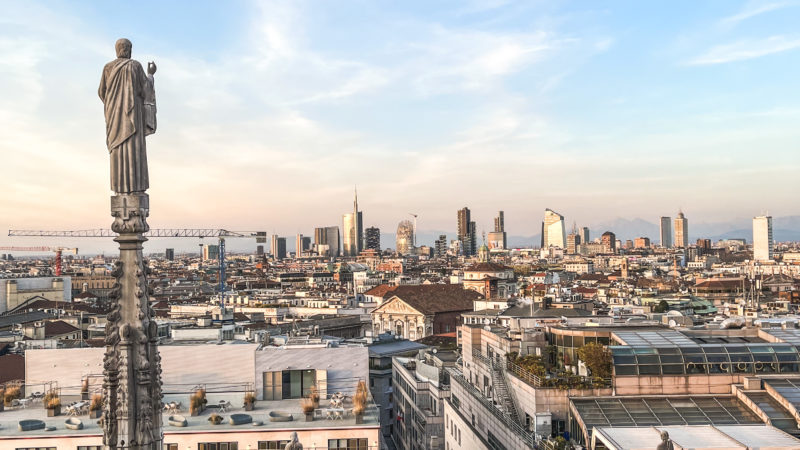
As the saying goes, “the city is a living being.” In this case, we’re talking about Milano, Italy, a metropolis that has set an example for sustainable mobility systems around the world. The key to its success lies in its innovative bike sharing system.
A Brief History of Sustainable Mobility
In October 2010, the New York Times highlighted the remarkable wind turbines of Casuaria, a small town in Abruzzo. More recently, Italian design has taken center stage with biodegradable packaging solutions like iNature’s cover. However, it’s Milan’s bike sharing system that truly stands out for its exceptional service.
Sustainable mobility is a growing concern globally, and cities are increasingly adopting innovative transportation systems to reduce their carbon footprint. Milan, in particular, has made significant strides in promoting sustainable mobility through its bike sharing system, BikeMi.
The Birth of Bike Sharing in Milan
The bike sharing system in Milan was born in 2008. What makes this system unique is its focus on comfort and practicality. The bikes are designed to be easy to ride, even for commuters who want to avoid the hassle of parking their cars. In fact, many residents use their bikes to commute to work, rather than driving alone.
The bike sharing system in Milan was inspired by the success of similar systems in other European cities like Barcelona and Copenhagen. The city’s goal was to create a convenient, affordable, and environmentally friendly transportation option for its residents.
A Growing Network
According to Treehugger, there are currently 128 bike sharing stations and over 1,400 bikes scattered throughout Milan. However, it’s worth noting that these numbers are constantly growing. The system has become an integral part of the city’s transportation infrastructure, with a strong demand for convenient and environmentally friendly options.
The bike sharing network in Milan is well-integrated into the city’s public transportation system. Residents can easily access BikeMi stations using their mobile app or by presenting a membership card at the station. This convenience factor has contributed significantly to the system’s popularity among residents.
Meet Lloyd Alter, Expert in Urban Planning
Lloyd Alter, an expert in urban planning and development, recently wrote about the impact of bike sharing on Milan’s streets. He noted that every Sunday, bikes are parked in designated areas, only to disappear on Monday morning as residents head off to work. This shift in usage is a testament to the system’s success.
The data collected from BikeMi has shown that the system is not just popular among residents but also contributes to reducing traffic congestion and air pollution. According to Alter, “the bike sharing system has become an integral part of Milan’s transportation infrastructure, with a strong demand for convenient and environmentally friendly options.”
Challenges and Opportunities
While Milan’s bike sharing system has been a resounding success, there have been challenges along the way. Initially, the goal was to reach 3,000 bikes and 200 stations, but funding issues hindered progress. However, this hasn’t discouraged the city from investing in its infrastructure.
Another challenge faced by BikeMi is maintaining the quality of the bikes. The system’s operators have implemented a rigorous maintenance schedule to ensure that all bikes are in good working condition before they’re made available for rent.
New Developments and Growth
Recently, a new bike sharing station opened on Via Canonica, and records show that May 4th saw a record-breaking number of bike rentals (6,297). This is a clear indication that Milan’s residents are embracing sustainable mobility.
The growth of BikeMi has also led to increased collaboration between the city and local businesses. The bike sharing system now offers discounts for students and young professionals, encouraging more people to use environmentally friendly transportation options.
A Message from the City Council
Assessor Pierfrancesco Mara commented on the city’s investment in promoting cycling, stating that “the data confirms that Milanese people not only understand our choices for sustainable mobility but also lead daily usage of services that safeguard the environment and improve their quality of life.”
The city council has been actively involved in promoting BikeMi through various initiatives. The “Città a 2 ruote” (City by Two Wheels) campaign encourages residents to use bicycles as a mode of transportation, highlighting the benefits of sustainable mobility.
Conclusion
Milano’s bike sharing system is a shining example of how cities can prioritize sustainability while still meeting the needs of its residents. As we look to the future, it’s clear that this innovative approach will continue to inspire other cities to follow suit.
The success of BikeMi has also led to increased interest in sustainable mobility solutions around the world. Cities are now adopting similar bike sharing systems, recognizing the benefits of environmentally friendly transportation options for their residents and the planet.
Frequently Asked Questions
- What inspired Milan to develop its bike sharing system?
Milan’s bike sharing system was inspired by the city’s commitment to sustainable mobility and reducing carbon emissions. - How many bikes are currently available for rent in Milan?
There are over 1,400 bikes available for rent in Milan. - What is the current growth rate of the bike sharing network?
The bike sharing network is growing rapidly, with new stations opening regularly. - Why was there a delay in reaching the initial goal of 3,000 bikes and 200 stations?
Funding issues were the main reason for the delay in reaching the initial goal. - What measures has the city taken to promote cycling?
The city has invested heavily in promoting cycling through various initiatives, including bike lanes and bike sharing systems. - How does Milan’s bike sharing system compare to other cities around the world?
Milan’s bike sharing system is one of the most successful in Europe, with a strong demand for convenient and environmentally friendly transportation options. - What are the benefits of using a bike sharing system like Milano’s BikeMi?
Using a bike sharing system like Milano’s BikeMi offers numerous benefits, including reduced carbon emissions, improved air quality, and increased physical activity. - Are there any plans to expand Milan’s bike sharing network further?
Yes, the city is planning to expand its bike sharing network in the coming years, with new stations opening regularly.
Final Thoughts
Milano’s bike sharing system has set a high standard for sustainable mobility systems around the world. By providing residents with convenient and environmentally friendly transportation options, BikeMi has contributed significantly to reducing traffic congestion and air pollution.
As cities continue to grapple with the challenges of sustainable mobility, Milano’s example is an inspiration for all. By investing in innovative transportation solutions like bike sharing systems, cities can prioritize sustainability while meeting the needs of their residents.


