
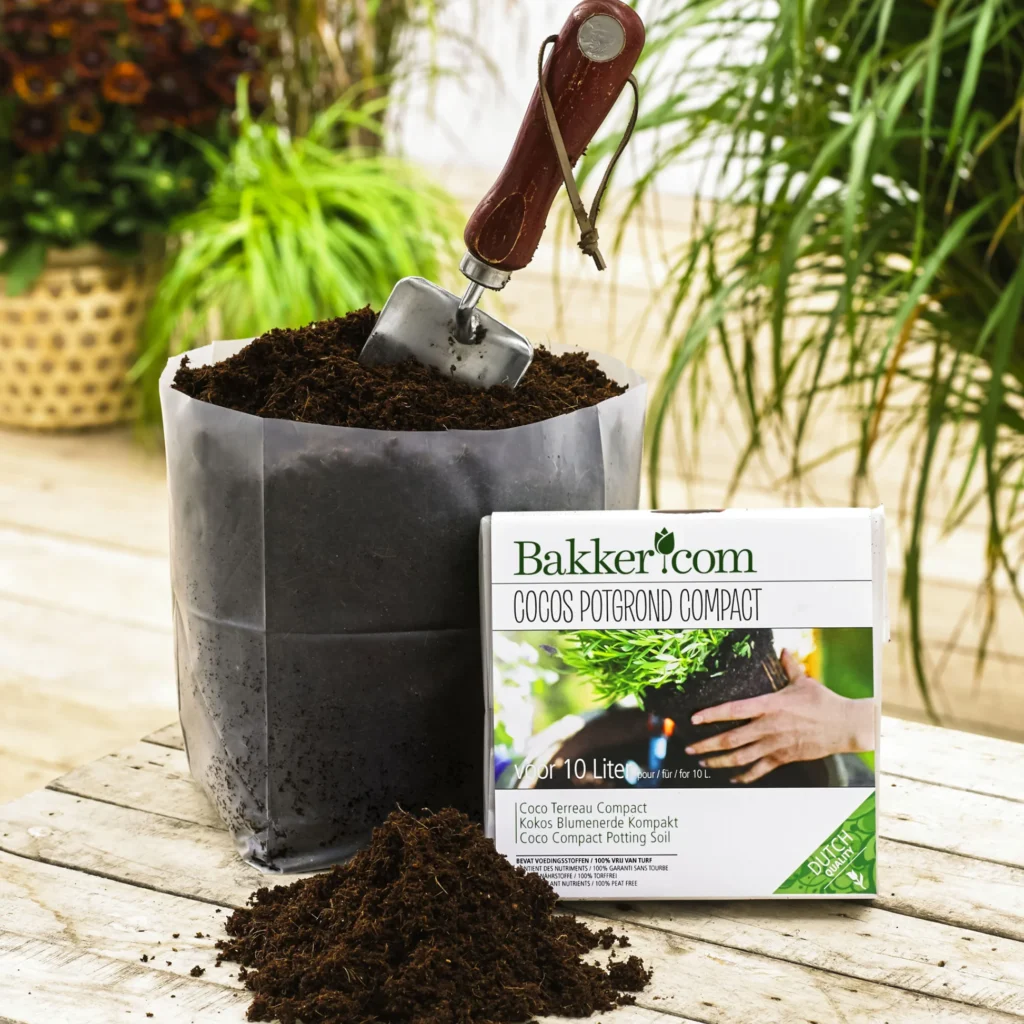
As gardeners, we spend a significant amount of time and effort tending to our plants, but without the right soil, even the best intentions can go to waste. In this article, we’ll explore the importance of choosing the right soil for your garden or indoor plants, where to buy it from, and what to look out for when making your selection.
Understanding Soil: The Foundation of Plant Growth
Soil is not just a mixture of dirt; it’s a complex ecosystem that provides essential nutrients and support for plant growth. A well-balanced soil can help plants absorb the necessary water, nutrients, and oxygen to thrive, while a poor-quality soil can lead to stunted growth, disease, and even death.
When selecting a soil for your garden or indoor plants, it’s crucial to consider the specific needs of each plant variety. Different plants have different requirements when it comes to pH levels, nutrient content, and water retention capacity. For example, acid-loving plants like azaleas and blueberries require acidic soils with a pH below 6.0, while alkaline plants like succulents and cacti prefer soils with a higher pH.
Where to Buy Soil: A World of Options
Soil can be found in various stores, including garden centers, home improvement stores, and online retailers. When shopping for soil, it’s essential to choose a reputable supplier that offers high-quality products.
- Garden Centers: Specialized garden centers often carry a wide range of soils specifically designed for different plant types and growing conditions.
- Home Improvement Stores: Large home improvement stores like Home Depot and Lowe’s typically carry a variety of soils, including organic and specialty options.
- Online Retailers: Online stores like Amazon and Burpee offer a vast selection of soils, often with customer reviews and ratings to help you make an informed decision.
Types of Soil: A Guide to Choosing the Right One
When selecting a soil, it’s essential to consider the type of plant you’re growing, as well as your personal preferences regarding pH levels, nutrient content, and water retention capacity. Here are some common types of soils:
- Terricolo Universale: A general-purpose soil suitable for most plants, terricolo universale is a blend of peat moss, vermiculite, and perlite.
- Terra per Rosee: A specialized soil designed specifically for rose cultivation, terra per rosee typically contains more organic matter and perlite to improve drainage.
- Sabbia Silicea: A type of sand that helps with drainage and aeration, sabbia silicea is often added to soils to improve water retention capacity.
Pricing Soil: Finding the Right Balance
The cost of soil can vary significantly depending on the quality, quantity, and type. Here are some general price ranges to expect:
- Terricolo Universale: $5-$15 per 20-pound bag
- Terra per Rosee: $10-$25 per 20-pound bag
- Sabbia Silicea: $3-$10 per 20-pound bag
Choosing the Right Container for Your Soil
When selecting a container for your soil, consider the size, material, and drainage capacity. Here are some options to consider:
- Plastic Bags: Lightweight and inexpensive, plastic bags are a popular choice for small gardens and indoor plants.
- Fabric Sacks: Made from breathable materials like canvas or burlap, fabric sacks provide excellent drainage and can be reused multiple times.
- Wooden Planters: Aesthetically pleasing and durable, wooden planters offer excellent drainage and can be used for both small and large gardens.
Maintaining Soil Quality
To maintain soil quality, it’s essential to regularly test the pH levels, nutrient content, and water retention capacity. Here are some tips to help you maintain optimal soil conditions:
- Soil Testing: Regularly test your soil to determine its pH levels, nutrient content, and water retention capacity.
- Add Organic Matter: Add compost or other organic matter to improve soil structure and fertility.
- Mulch: Apply a layer of mulch to help retain moisture, suppress weeds, and regulate soil temperature.
Common Soil Issues
Soil issues can arise due to various factors such as poor drainage, overwatering, or pests. Here are some common soil issues and how to address them:
- Compaction: Compacted soils can lead to poor drainage and root growth. To address this issue, aerate the soil regularly.
- Erosion: Eroded soils can lead to nutrient depletion and reduced plant growth. To address this issue, use mulch or cover crops to stabilize the soil.
Conclusion
Choosing the right soil for your garden or indoor plants is crucial for optimal growth and health. By understanding soil composition, types of soils, pricing, and container options, you can make an informed decision when selecting the perfect soil for your needs. Happy gardening!
Frequently Asked Questions (FAQs)
- What is the best type of soil for my garden?
- The best type of soil depends on the specific needs of each plant variety.
- Where can I buy high-quality soil?
- Reputable suppliers like Garden Centers, Home Improvement Stores, and Online Retailers offer high-quality soils.
- How do I choose the right container for my soil?
- Consider factors such as size, material, and drainage capacity when selecting a container.
- What are some common types of soil?
- Common types of soil include terricolo universale, terra per rosee, sabbia silicea, and more.
- How much does good-quality soil cost?
- Prices vary depending on the type, quantity, and quality, but expect to pay $5-$25 per 20-pound bag for high-quality soils.
-
Can I reuse fabric sacks as containers?
- Yes, fabric sacks are reusable and can provide excellent drainage for your plants.
-
What are some risks associated with releasing non-native species into the wild?
- Risks include competition for food resources and habitat destruction.
-
How do I create an environment that’s safe and healthy for my pets?
-
Provide plenty of fresh water, a balanced diet, and regular exercise, and ensure your pet has access to shade and shelter.
-
What are some signs of soil pollution?
- Signs include discoloration, odors, and changes in plant growth or behavior.
-
Can I compost food waste to create nutrient-rich soil?
-
Yes, composting is a great way to recycle kitchen scraps into nutrient-rich soil for your garden or indoor plants.
-
What are some tips for maintaining healthy plants during extreme weather conditions?
- Provide shade, water deeply, and maintain proper drainage to help your plants thrive.
-
How can I create a sustainable gardening practice?
-
Use rainwater harvesting systems, compost organic waste, and adopt integrated pest management techniques to reduce environmental impact.
-
What are some common pests that affect indoor plants?
- Common pests include spider mites, mealybugs, and aphids.
-
How do I prevent over-watering my plants?
-
Check the soil moisture regularly, avoid getting water on leaves, and use a drip irrigation system to deliver water directly to the roots.
-
What are some benefits of using natural pest control methods?
- Benefits include reduced chemical use, improved plant health, and minimized environmental impact.


