
As the warm season arrives, one of the most pressing issues gardeners face is providing their lawns and gardens with enough water. The problem is that many of us don’t have easy access to a steady supply of clean water, which can lead to a lack of irrigation or over-irrigation. But how much water does your garden really need?
To get an idea of the amount of water your garden requires, let’s look at some general guidelines for different types of plants and soil conditions.
Watering Your Lawn
Lawn care is one of the biggest users of water in a garden. A typical lawn needs around 4-6 liters of water per square meter every day. During the winter months, watering is suspended, but in spring and autumn, rainfall helps to supplement the water supply. However, when it comes to actual watering, your lawn will need about as much water as the soil can absorb.
For example, a well-established lawn with dense grass cover may require 10-15 liters of water per square meter every day. On the other hand, a newly sown lawn with thin grass cover may require only 2-3 liters of water per square meter every day.
Watering Trees
Trees have different watering needs depending on their species. Some trees, like those with broad leaves, require around 40-60 liters of water every two days per tree. Other species, like tropical plants, may need up to 80 liters every two days. Conifers, which are slow-growing and often young, also need regular watering, but will eventually become self-sufficient.
For instance, a mature oak tree may require around 100 liters of water every two days, while a newly planted maple tree may require only 20-30 liters per day.
Watering Shrubs
Shrubs, such as roses, viburnums, and sambucas, require around 8-16 liters of water per day for newly planted shrubs, increasing to twice that amount for established plants. Young trees or bushes need regular watering to develop a strong root system.
For example, a well-established rose bush may require around 40-60 liters of water every two days, while a newly planted shrub may require only 10-20 liters per day.
Watering Fruits Trees
Fruit trees need plenty of water, with each tree requiring around 60 liters every two days in a well-established orchard. This is especially true if you have multiple trees, as they will need enough water to support their growth and fruit production.
For instance, an apple tree may require around 120 liters of water every two days, while a peach tree may require only 80 liters per day.
Watering Your Garden Bed
Garden beds require significantly less water than lawns or fruit trees, but still need regular watering. Most garden plants need around 3 liters of water per square meter every day. However, different types of vegetables have varying watering needs, with some requiring more moisture than others.
For example, leafy greens like lettuce and spinach may require only 1-2 liters of water per square meter every day, while root vegetables like carrots and beets may require around 5-10 liters per square meter every day.
Factors Affecting Water Requirements
Several factors can affect the amount of water your garden needs, including:
- Climate: Areas with high temperatures and low humidity will require more water than areas with mild temperatures and high humidity.
- Soil type: Well-draining soils like sandy loams may require less water than poorly draining soils like clay loams.
- Plant species: Different plant species have varying watering needs, as discussed earlier.
Watering Strategies
Here are some strategies to help you manage your garden’s water needs:
- Soaker Hoses: These hoses deliver water directly to the roots of plants through small holes or emitters, reducing evaporation and runoff.
- Drip Irrigation: This method delivers water in a fine mist that reaches the soil close to the plant roots, minimizing waste and runoff.
- Mulching: Mulch helps retain moisture in the soil by reducing soil temperature and preventing evaporation.
- Crop Rotation: Rotating crops can help improve soil fertility, structure, and overall water-holding capacity.
By understanding your garden’s specific needs and implementing efficient watering practices, you can enjoy lush, healthy plants and save money on water waste.
Frequently Asked Questions
Here are some answers to common questions about watering your garden:
-
How often should I water my lawn?
* A typical lawn needs around 4-6 liters of water per square meter every day.-
Can I use a hose with a sprinkler attachment for irrigation?
- It’s best to avoid using traditional sprinklers, as they can waste water and lead to over-irrigation.
-
What is the best way to irrigate my orchard?
-
Drip irrigation is a great option for fruit trees, as it delivers water directly to the roots and reduces evaporation.
-
Can I collect rainwater and use it for irrigation?
-
Yes, collecting rainwater can be an effective way to reduce your reliance on municipal water supplies.
-
Is there a difference between potting mix and garden soil when it comes to watering plants?
-
Potting mixes are designed for indoor containers and often contain more organic matter than garden soils.
Let us know if you have any other questions about watering your garden!
-
Watering Your Garden: Tips and Tricks
Here are some additional tips to help you water your garden efficiently:
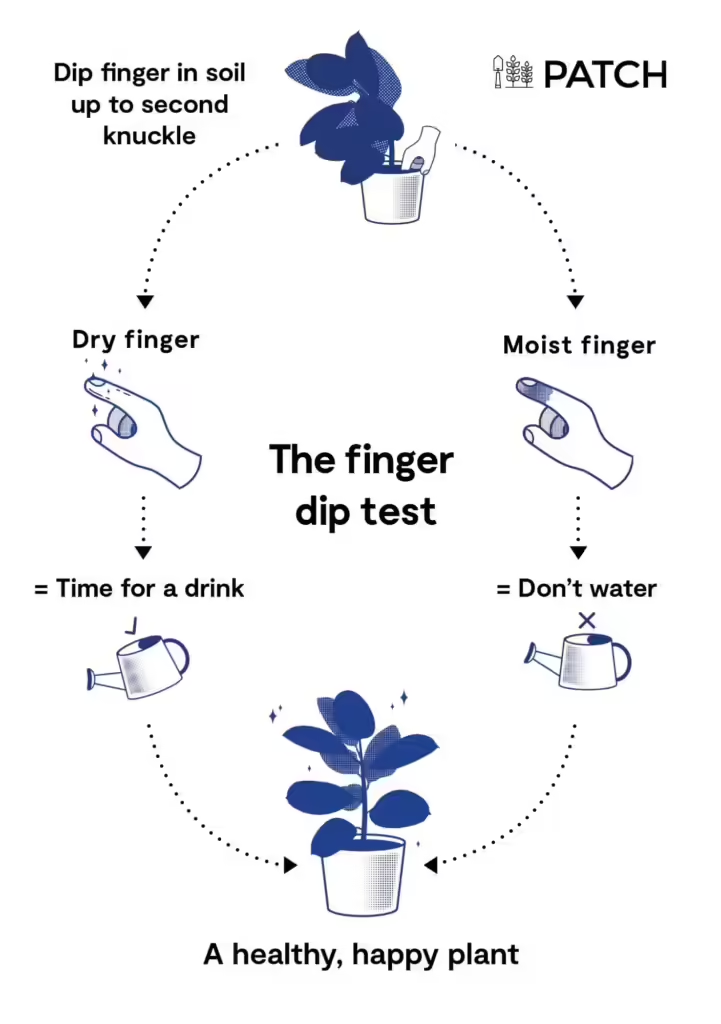
- Check soil moisture: Before watering, check the soil moisture by inserting a finger or a moisture meter into the soil.
- Use a rain gauge: Install a rain gauge to measure rainfall and adjust your irrigation schedule accordingly.
- Water in the morning: Watering during the cooler parts of the day (morning) can help reduce evaporation and runoff.
- Avoid over-watering: Over-watering can lead to root rot, fungal diseases, and other problems. Avoid watering too frequently or using too much water at once.
By following these tips and strategies, you can create a beautiful, thriving garden that requires minimal watering and maximum care.
Conclusion
Watering your garden is an essential part of gardening, but it can also be challenging. By understanding the specific needs of different plants and implementing efficient watering practices, you can enjoy lush, healthy plants and save money on water waste.
Remember to check soil moisture regularly, use a rain gauge to measure rainfall, and avoid over-watering to ensure your garden receives the right amount of water.


