
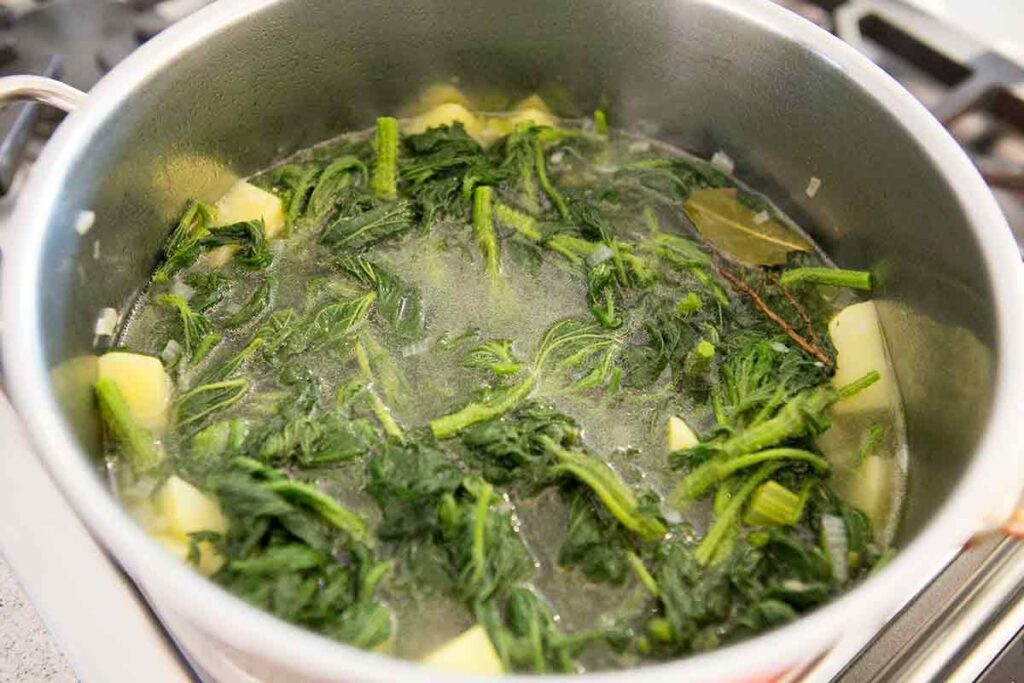
As we explore the world of culinary delights, one plant stands out for its versatility and nutritional value: ortica. This spontaneous plant is found in almost every corner of the globe, packed with minerals, vitamins, and healing properties. Despite its itchy reputation, ortica can be a star player in various dishes, from risottos to frittatas.
The World of Ortica
Ortica’s potential in the kitchen is vast, limited only by our imagination. It can take center stage in a variety of courses, from rice to pasta, and even as a side dish. The possibilities are endless!
In this article, we’ll embark on a culinary journey, starting with a more complex recipe: Risotto alle Ortiche. Then, we’ll move on to a simpler yet equally delicious option: Rollè di Formaggi e Ortiche.
Risotto alle Ortiche: A Delicious and Nutritious Dish
Servings: 4
Ingredients:
- 350 grams of Nano rice
- 150-200 grams of ortica leaves
- 1 small onion, finely chopped
- 2 tablespoons of olive oil
- 50 grams of butter
- Broth
- Salt and Parmesan cheese
Preparing the Risotto
- Wash the ortica leaves thoroughly in a colander.
- In a pan, sauté the onion and olive oil until softened. Add the chopped ortica leaves and cook until wilted.
- Add the rice to the pan and stir-fry for three minutes.
- Gradually add the broth, stirring continuously until the rice is cooked.
- Remove from heat and stir in the butter and Parmesan cheese.
Tips and Variations
- For a creamier risotto, add grated Parmesan or mascarpone cheese towards the end of cooking.
- To enhance the flavor, use fresh thyme or basil leaves along with the ortica.
- Experiment with different types of broth, such as chicken or vegetable, for added depth.
Rollè di Formaggi e Ortiche: A Simple yet Delicious Option
Servings: 4
Ingredients:
- 3 eggs
- 100 grams of chopped ortica leaves
- Cheese (e.g., three sottilette, galbanino… slices)
- 4 tablespoons of Parmesan cheese
- Butter, salt, and pepper
Preparing the Rollè
- Beat the eggs with a fork in a bowl.
- Add the chopped ortica leaves to the egg mixture and mix well.
- Heat butter in a pan over medium heat.
- Pour in the egg mixture and cook until set.
- Sprinkle Parmesan cheese on top of the frittata and roll it up like a burrito.
- Transfer the rolled frittata to a baking sheet, wrap in foil, and bake until hot.
Tips for Cooking with Ortica
- To avoid the itchiness of ortica leaves, blanch them briefly in boiling water or steam them for a few minutes before using.
- When cooking ortica, use a large pan to prevent the leaves from becoming too crowded, which can lead to bitterness.
- Experiment with different types of cheese and herbs to complement the flavor of ortica.
Conclusion
Ortica is more than just an edible plant; it’s a culinary gem waiting to be explored. From Risotto alle Ortiche to Rollè di Formaggi e Ortiche, these recipes showcase the versatility of this nutrient-rich ingredient. Whether you’re a seasoned chef or a kitchen novice, ortica is sure to inspire your next meal.
Frequently Asked Questions
- What are the health benefits of eating ortica?
Ortica is rich in vitamins and minerals, making it an excellent addition to a balanced diet. - Can I use fresh or dried ortica leaves in recipes?
Fresh ortica leaves can be used in most recipes, while dried leaves are better suited for soups and stews. - Is ortica safe to eat raw?
While cooking can enhance the nutritional value of ortica, eating it raw can help retain some of its beneficial compounds.
By embracing the world of ortica, you’ll unlock a new dimension of culinary creativity and nutrition. So go ahead, get creative with this versatile plant, and enjoy the delightful flavors it has to offer!
Ortica’s Nutritional Value
Ortica is an excellent source of essential nutrients like vitamins A, C, and K, as well as minerals such as calcium, iron, and potassium. It contains antioxidants that can help protect against cell damage and inflammation.
Using Ortica in Various Dishes
- Salads: Add chopped ortica leaves to your favorite salad recipe for a burst of flavor and nutrition.
- Soups and Stews: Use dried or fresh ortica leaves to add depth to soups and stews.
- Pasta Sauces: Blend cooked ortica with garlic, olive oil, and Parmesan cheese for a delicious pasta sauce.
Ortica’s Versatility
From cooking and baking to preserving and decorating, ortica can be used in a variety of ways. Here are some creative ideas:
- Make an ortica pesto by blending fresh leaves with garlic, lemon juice, and olive oil.
- Use dried ortica leaves to make tea or infusions for a soothing drink.
- Add chopped ortica to your favorite smoothie recipe for a nutritional boost.
Ortica’s Cultural Significance
Throughout history, ortica has played an important role in many cultures. In Italy, it’s considered a delicacy and is often served at special occasions. In other parts of the world, ortica has been used in traditional medicine and spiritual practices.
Conclusion
Ortica is a versatile and nutritious ingredient that can be used in countless ways. From cooking and baking to preserving and decorating, this plant offers endless possibilities for creative expression and delicious meals. By embracing the magic of ortica, you’ll unlock a new dimension of culinary creativity and nutrition, inspiring your next meal and leaving a lasting impact on those around you.
Tips for Cooking with Ortica
- Use fresh leaves whenever possible to avoid bitterness.
- Blanch or steam ortica before using it in recipes to remove the itchiness.
- Experiment with different types of cheese, herbs, and spices to complement the flavor of ortica.
By following these tips and exploring the world of ortica, you’ll unlock a new level of culinary creativity and nutrition. Whether you’re a seasoned chef or a kitchen novice, ortica is sure to inspire your next meal and leave a lasting impact on those around you.


