
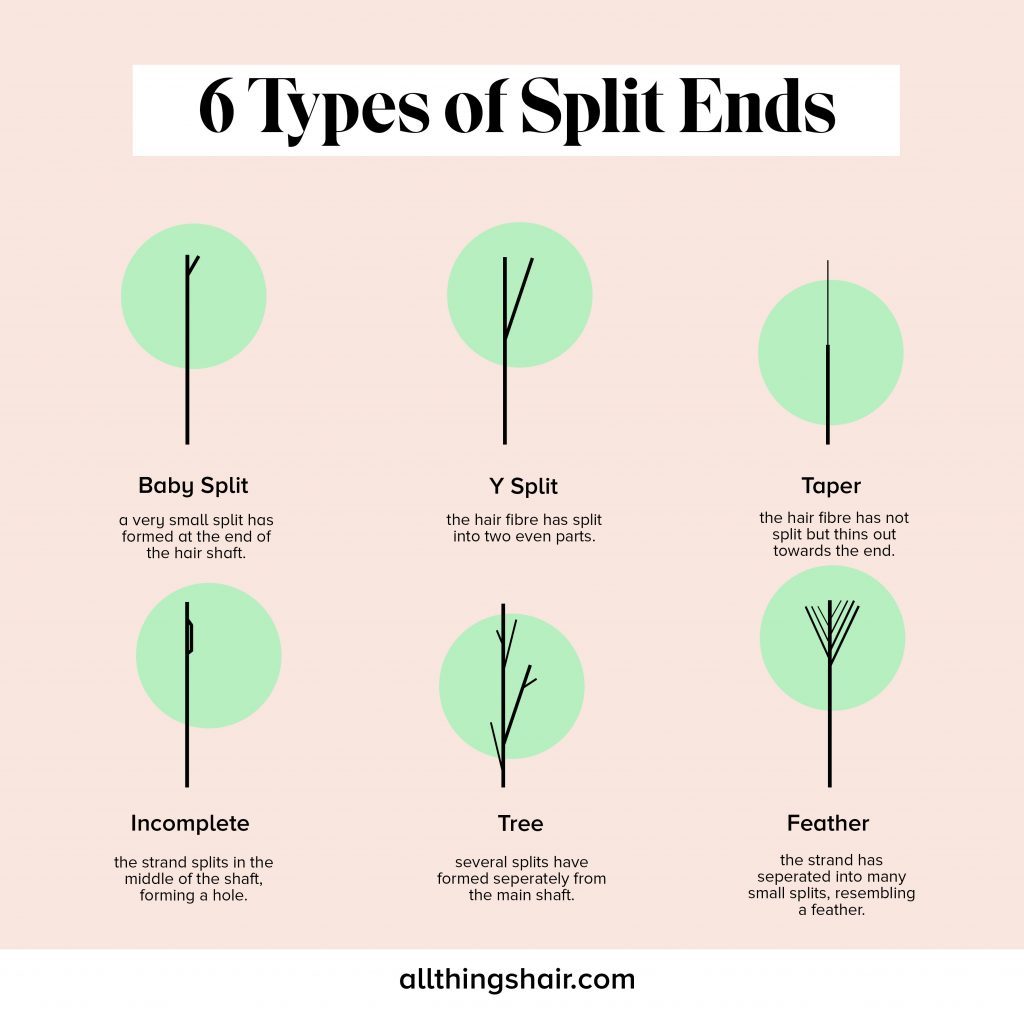
Have you ever wondered what causes split ends? You’re not alone. It’s surprising how easily your hair can split into two (or more) parts in its tips, but understanding the underlying reasons is crucial to preventing further damage. In this article, we’ll take a closer look at the factors that contribute to split ends and provide you with practical tips to prevent them.
What are Split Ends?
Split ends are the damaged tips of your hair that can split or break off if left untreated. They appear as small splits or cracks in the hair shaft, which can lead to further damage and even hair loss if not addressed promptly. The good news is that split ends are often preventable, and with a little knowledge and effort, you can keep your hair healthy and looking its best.
What Causes Split Ends?
There are several factors that contribute to split ends, including:
- Hair care habits: Using heat styling tools, frequent washing, and using harsh chemical treatments can all cause damage to the hair.
- Environmental factors: Exposure to sun, wind, and dry air can dry out the hair and lead to split ends.
- Genetics: Some people may be more prone to split ends due to their hair type or texture.
The Role of Hair Accessories
Hair accessories such as hair ties, clips, and headbands can cause damage to the hair if not used properly. Tight hairstyles, like braids and ponytails, can put tension on the hair, leading to split ends.
Protecting Your Hair from Heat Damage
Heat styling tools are a common culprit when it comes to split ends. To minimize damage, use a heat protectant spray or serum before styling, and avoid using high temperatures for extended periods.
The Importance of Moisturizing
Moisturizing your hair is essential to keeping it healthy and strong. Use a deep conditioning treatment once a week, and apply a leave-in conditioner or hair serum to keep the hair hydrated and protected.
What to Do If You Already Have Split Ends
If you’ve already developed split ends, there are several treatments you can try to repair them. Here are some options:
- Trimming: Getting regular trims can help prevent split ends from traveling up the hair shaft.
- Deep conditioning: Applying a deep conditioning treatment can help repair and restore damaged hair.
- Hair masks: Using a hair mask once or twice a week can provide an intense dose of moisture to dry, damaged hair.
Here are some additional tips for preventing split ends:
- Use a wide-tooth comb or a detangling brush to gently comb out your hair, starting from the ends and working your way up.
- Avoid using harsh chemicals on your hair, such as bleach or permanent dyes.
- Protect your hair from the sun by wearing a hat or using a hair serum with SPF.
Frequently Asked Questions
Q: Can split ends be prevented?
A: Yes, split ends can often be prevented by taking good care of your hair and avoiding damage-causing habits.
Q: How do I get rid of split ends?
A: There are several treatments available to repair damaged hair, including trimming, deep conditioning, and hair masks.
Q: Can split ends cause hair loss?
A: Yes, if left untreated, split ends can lead to hair breakage and even hair loss.
Q: How often should I trim my hair to prevent split ends?
A: It’s recommended to get regular trims every 6-8 weeks to prevent split ends from traveling up the hair shaft.
Q: Can split ends be caused by genetics?
A: Yes, some people may be more prone to split ends due to their hair type or texture.
Q: How can I moisturize my dry hair?
A: Use a deep conditioning treatment once a week, and apply a leave-in conditioner or hair serum to keep the hair hydrated and protected.
Additional Tips for Preventing Split Ends
- Use a microfiber towel: When drying your hair, use a microfiber towel instead of a regular towel. Microfiber towels are gentler on the hair and can help reduce breakage.
- Avoid using hot water: Hot water can strip the hair of its natural oils, leading to dryness and damage. Try using warm or cool water when washing your hair.
- Use a sulfate-free shampoo: Sulfates can strip the hair of its natural oils, leading to dryness and damage. Look for a sulfate-free shampoo that is gentle on the hair.
- Protect your hair from the sun: The sun’s UV rays can damage the hair and cause split ends. Try using a hat or a hair serum with SPF to protect your hair.
Conclusion
Split ends are a common problem, but they don’t have to be a permanent issue. By understanding the causes of split ends and taking steps to prevent them, you can keep your hair healthy and looking its best. Remember to use heat protectants, moisturize regularly, and avoid using harsh chemicals on your hair. With these tips, you can say goodbye to split ends and hello to healthy, beautiful hair.
Recommended Products for Preventing Split Ends
- Heat protectant spray: A heat protectant spray can help prevent damage from heat styling tools.
- Deep conditioning treatment: A deep conditioning treatment can help repair and restore damaged hair.
- Leave-in conditioner or hair serum: A leave-in conditioner or hair serum can help keep the hair hydrated and protected.
- Wide-tooth comb or detangling brush: A wide-tooth comb or detangling brush can help gently comb out your hair, starting from the ends and working your way up.
Additional Resources
- Hair care articles: Check out our collection of hair care articles for more tips and tricks on how to keep your hair healthy and looking its best.
- Product reviews: Read our product reviews to find the best products for preventing split ends.
- Salon services: Book a salon appointment today to get professional advice on how to prevent split ends.
By following these tips and using the recommended products, you can say goodbye to split ends and hello to healthy, beautiful hair.


