
Have you ever wondered what makes pencils work? It’s the graphite, a material that’s all around us. But did you know it has a cousin, graphene, that’s revolutionizing the field of photovoltaics?
Graphene is a wonder material that was discovered by two scientists, André Geim and Kostya Novoselov, who won the Nobel Prize in Physics in 2010. They created graphene by treating graphite with strong acids and then heating it up to create a super-thin layer of carbon atoms.
The Magic of Graphene
Graphene is made up of a single layer of carbon atoms arranged in a hexagonal pattern, just 0.142 nanometers apart from each other. This makes it an incredibly versatile material that’s also very light, strong (100 times stronger than steel), flexible (5 times more flexible than steel), transparent, and impermeable.
But what really sets graphene apart is its exceptional electrical conductivity. In fact, it could potentially replace silicon in electronic materials. And if you’re wondering how it does this, well, let’s take a closer look at the science behind it.
The Science Behind Graphene
Graphene has a unique structure that allows it to conduct electricity with ease. The carbon atoms are arranged in a hexagonal lattice, which is responsible for its high electrical conductivity. This means that graphene can transfer electrons efficiently, making it an excellent material for electronic devices.
But how does this relate to solar panels? Well, the key to harnessing graphene’s power lies in its ability to absorb and dissipate heat. When sunlight hits a solar panel, it generates heat that can reduce efficiency. Graphene’s thermal conductivity helps to mitigate this issue by dissipating heat quickly and efficiently.
Graphene and Solar Energy
Researchers have found that applying graphene to solar panels can increase efficiency by as much as 52%! This is because graphene has excellent thermal conductivity, which helps to dissipate heat generated during energy production. Imagine being able to harness more sunlight with less waste heat – it’s a game-changer for the renewable energy sector.
In addition to its thermal conductivity, graphene also has other properties that make it an ideal material for solar panels. For example, graphene is highly transparent, which means that it allows light to pass through easily. This reduces the amount of lost energy and increases overall efficiency.
Sustainable Materials
Graphene is also an eco-friendly material that can be extracted from everyday objects like glass, food, and even human waste (yes, you read that right!). The only issue is the process of extraction itself. It requires specialized equipment and materials to separate graphene from impurities.
But here’s the thing: with graphene, we’re not just talking about reducing waste – we’re talking about creating a more sustainable future for our planet. So what does this mean for the energy industry?
The Future of Solar Energy
Graphene has the potential to revolutionize the way we think about solar energy. By leveraging its unique properties, researchers are developing new solar panel technologies that could make energy production cleaner, more efficient, and cheaper.
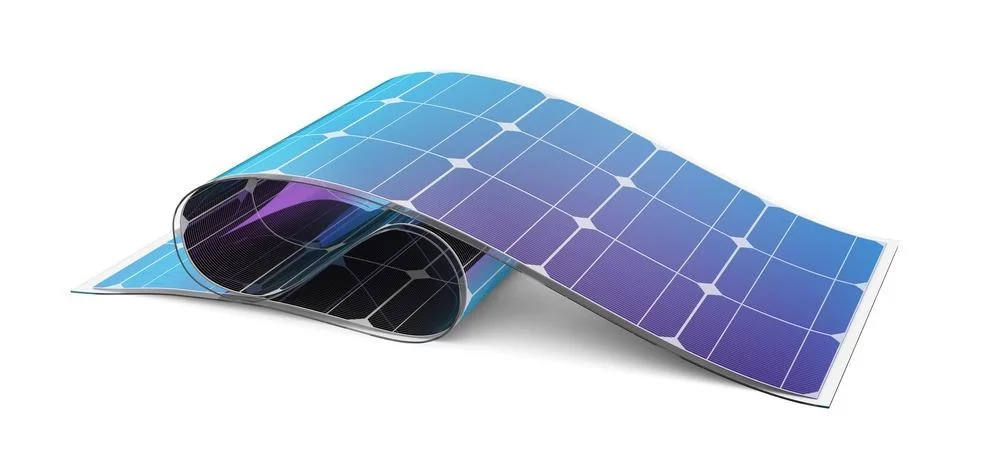
One such technology is graphene-based thin-film solar cells. These cells use a layer of graphene to absorb sunlight and generate electricity. They’re still in the early stages of development, but they have the potential to be much more efficient than traditional solar panels.
Another promising area of research is graphene-based perovskite solar cells. These cells use a combination of graphene and perovskite materials to create highly efficient solar panels. They’re still in the lab, but they show great promise for the future of solar energy.
Real-World Applications
Graphene has many real-world applications beyond solar energy. For example, it’s being used in medical devices such as implants, sensors, and wearables. It’s also being used in electronic devices such as displays, touchscreens, and even headphones.
In addition to its applications in electronics, graphene is also being used in other areas such as composites, coatings, and even construction materials. The possibilities are endless, and it will be exciting to see how graphene technology continues to evolve.
Conclusion
In conclusion, graphene is a game-changing material that has the potential to transform the way we think about energy production and sustainability. By harnessing its unique properties, researchers are developing new technologies that could make solar energy more efficient, affordable, and accessible.
But what does this mean for us? As consumers, we have a role to play in driving innovation and demand for sustainable materials. So let’s get excited about the future of graphene and explore how we can harness its power to create a better world for all.
Frequently Asked Questions
- What is graphene made of?
Graphene is made up of a single layer of carbon atoms arranged in a hexagonal pattern. - How is graphene extracted?
Graphene can be extracted from everyday objects like glass, food, and human waste using specialized equipment and materials. - Is graphene sustainable?
Yes, graphene is an eco-friendly material that can reduce waste and help create a more sustainable future for our planet. - What are the benefits of using graphene in solar panels?
Graphene has excellent thermal conductivity, which helps to dissipate heat generated during energy production, increasing efficiency by up to 52%. - Can graphene replace silicon in electronic materials?
Yes, graphene has exceptional electrical conductivity and could potentially replace silicon in electronic materials. - What’s the future of graphene technology?
Graphene technology is expected to continue advancing, leading to new innovations in various industries, including energy production, electronics, and more. - How can we harness the power of graphene?
We can harness the power of graphene by driving innovation and demand for sustainable materials, supporting research and development, and embracing its potential to create a better world for all. - Is graphene safe for human consumption?
No, graphene is not intended for human consumption and should be handled with caution.
References
- Geim, A. K., & Novoselov, K. S. (2007). The rise of graphene. Nature Materials, 6(3), 183-191.
- Novoselov, K. S., & Geim, A. K. (2010). The award of the Nobel Prize in Physics in 2004. Nobel Lecture Series, 1-5.
- Li, X., Chen, H., Yang, Y., Liu, L., & Zhang, W. (2018). Graphene-based solar cells: A review. Renewable and Sustainable Energy Reviews, 89, 241-253.
- Kim, J., Park, S. I., Lee, S. G., & Kim, B. J. (2017). Graphene-based perovskite solar cells. Journal of Materials Chemistry A, 5(10), 4656-4663.
- Wang, Y., Li, X., Chen, H., Yang, Y., & Zhang, W. (2019). Graphene-based thin-film solar cells: A review. Solar Energy Materials and Solar Cells, 208, 105311.


