
Understanding the Benefits of an Electric Vehicle
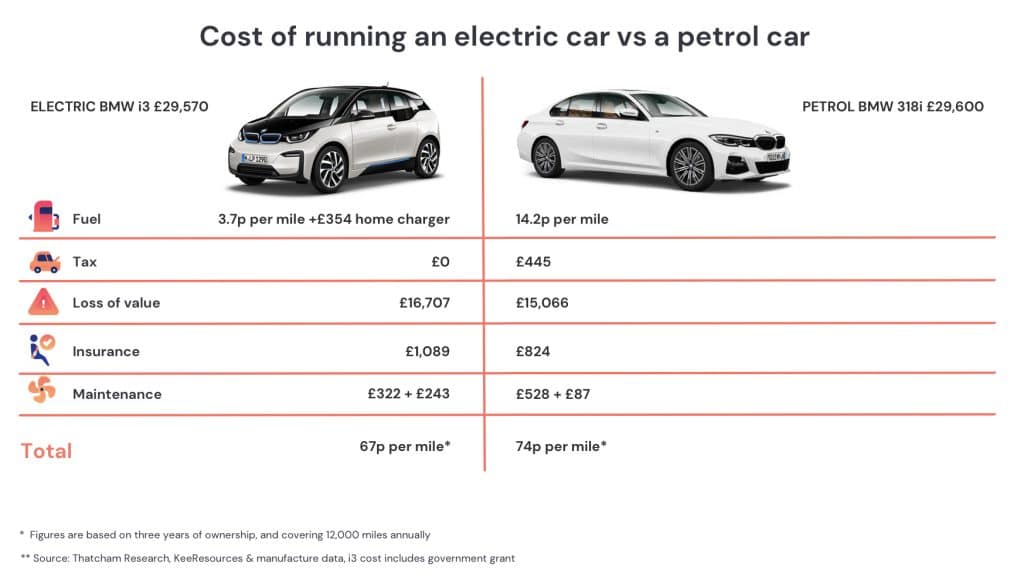
When considering purchasing a new car, one of the most important factors to consider is the cost. While the initial purchase price of an electric vehicle (EV) may be higher than that of a traditional gasoline-powered car, there are several benefits that can save you money in the long run.
In this article, we will explore the costs associated with owning an EV, including fuel consumption and costs, maintenance and repair costs, and environmental benefits. We will also discuss how to maximize the savings of owning an EV by optimizing your charging habits.
Fuel Consumption and Costs
One of the most significant advantages of an EV is its low operating cost. According to the Association for Consumer Research (Adoc), charging an EV can cost as little as 3 euros per 160 kilometers, which is comparable to the fuel efficiency of a traditional gasoline-powered car.
To calculate the cost per kilometer, we need to consider the energy consumption and pricing of electricity. In Italy, the average price of electricity is around 0.20 euros per kWh. Assuming an EV has a battery capacity of 24 kWh and can travel 160 kilometers on a single charge, the calculation would be:
(24 kWh / 160 km) x (0.20 euros/kWh) = 0.15 euros/km
This means that for every kilometer traveled, you will spend approximately 0.15 euros.
Optimizing Charging Habits
While the cost per kilometer is low, it’s essential to optimize your charging habits to maximize the savings. Here are some tips:
- Charge your EV at home during off-peak hours when electricity prices are lower.
- Use a smart charger that can optimize your charging schedule based on your energy usage and pricing.
- Avoid keeping your EV plugged in for extended periods, as this can cause heat buildup and reduce its battery life.
Maintenance and Repair Costs
One of the most significant advantages of an EV is its low maintenance cost. With fewer moving parts than a traditional gasoline-powered car, EVs require less upkeep and repair. According to the US Department of Energy, EVs require fewer repairs and replacements than other types of vehicles.
In Italy, there are several incentives available for EV owners, including:
- A reduced toll on highways
- Lower insurance premiums
- Access to exclusive parking areas
Environmental Benefits
One of the most significant benefits of an EV is its environmental impact. EVs produce zero tailpipe emissions, which can significantly reduce air pollution in urban areas.
However, it’s essential to note that the production of EVs requires significant amounts of energy and resources. To minimize this impact, manufacturers are investing in sustainable practices, such as using renewable energy sources and reducing waste.
Types of Electric Vehicles
There are several types of electric vehicles available in the market, including:
- Battery-electric vehicles (BEVs)
- Plug-in hybrid electric vehicles (PHEVs)
- Hybrid electric vehicles with a gasoline engine
- Hydrogen fuel cell electric vehicles
Each type of EV has its unique benefits and drawbacks. For example, BEVs require less maintenance than PHEVs, while PHEVs offer longer driving ranges.
Comparing the Cost of Different Types of Vehicles
To compare the cost of different types of vehicles, we need to consider several factors, including:
- Purchase price
- Fuel consumption costs
- Maintenance and repair costs
- Environmental benefits
Here’s a comparison of the cost of different types of vehicles in Italy:
| Vehicle Type | Purchase Price (€) | Fuel Consumption Costs (€/km) | Maintenance and Repair Costs (€/year) | Environmental Benefits |
|---|---|---|---|---|
| Electric Vehicle | 30,000 – 50,000 | 0.15 | Low | High |
| Hybrid Vehicle | 25,000 – 40,000 | 0.20 | Medium | Medium |
| Gasoline-Powered Vehicle | 18,000 – 35,000 | 0.30 | High | Low |
Conclusion
While the initial purchase price of an EV may be higher than that of a traditional gasoline-powered car, there are several benefits that can save you money in the long run. By optimizing your charging habits, minimizing maintenance costs, and enjoying environmental benefits, owning an EV can be a cost-effective and sustainable option for drivers.
Frequently Asked Questions
- Q: How much does it cost to charge an EV?
A: The cost of charging an EV depends on the energy consumption and pricing of electricity. According to Adoc, charging an EV can cost as little as 3 euros per 160 kilometers. - Q: What are the benefits of owning an EV?
A: EVs offer several benefits, including low operating costs, reduced maintenance requirements, and environmental advantages. - Q: How do I optimize my charging habits?
A: To maximize your savings, charge your EV at home during off-peak hours when electricity prices are lower. Use a smart charger that can optimize your charging schedule based on your energy usage and pricing. - Q: Are EVs more expensive to maintain than traditional cars?
A: According to the US Department of Energy, EVs require fewer repairs and replacements than other types of vehicles. - Q: What incentives are available for EV owners in Italy?
A: There are several incentives available for EV owners in Italy, including a reduced toll on highways, lower insurance premiums, and access to exclusive parking areas.



