
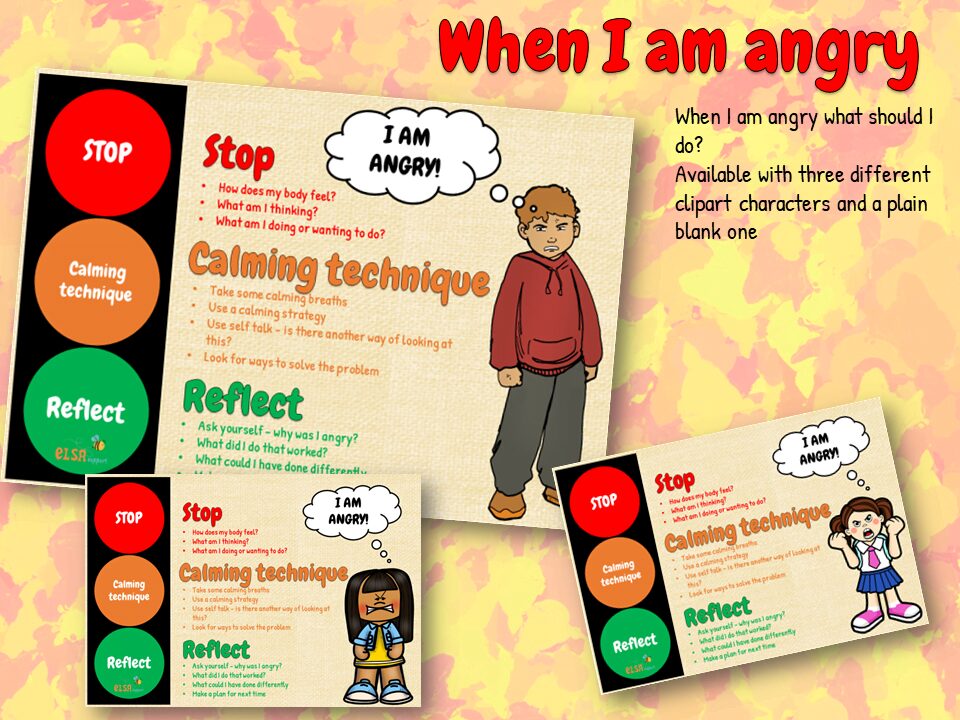
When anger takes over, it’s challenging to think clearly and make rational decisions. However, by acknowledging the importance of allowing ourselves to feel and express our emotions, we can better navigate these intense moments. In this article, we’ll explore strategies for managing anger, including techniques for releasing pent-up emotions in a healthy way.
Understanding Anger
Anger is a natural response to feeling threatened or frustrated. It’s essential to recognize that anger is not inherently bad; it can be a valuable motivator for change and growth. However, when left unchecked, anger can lead to negative consequences, both physically and emotionally.
Anger can manifest in different ways, such as:
- Irritability
- Agitation
- Bitterness
- Resentment
Recognizing the signs of anger can help you take action to manage it before it spirals out of control.
The Physical Symptoms of Anger
When we’re feeling angry, our bodies often respond with physical symptoms. These can include:
- Rapid heartbeat: Also known as tachycardia, this is a common symptom of anger.
- Increased blood pressure: High blood pressure can lead to serious health issues if left unchecked.
- Tension headaches: Anger can cause muscle tension in the neck and scalp, leading to painful headaches.
- Digestive problems: Irritable bowel syndrome (IBS) and other digestive issues are common in people who experience frequent anger outbursts.
By acknowledging these physical symptoms, you can take steps to manage your anger and prevent negative consequences.
Channeling Anger in a Positive Way
Rather than trying to suppress or deny our anger, we should aim to channel it into something constructive. This might involve engaging in physical activities like exercise or sports, which can help release tension and pent-up emotions. Other strategies include:
- Writing down your thoughts and feelings to process and release them
- Talking to a trusted friend or therapist about your emotions
- Engaging in creative pursuits like art or music to express yourself
By finding healthy ways to manage our anger, we can reduce stress and anxiety, improve our relationships, and increase our overall sense of well-being.
The Effects of Unexpressed Anger
When we hold onto anger without expressing it, it can have negative consequences for our physical and mental health. Some potential effects include:
- Digestive problems like gastritis or irritable bowel syndrome
- Headaches or migraines caused by tension and stress
- Skin issues like eczema or acne due to emotional stress
By allowing ourselves to express our anger in a healthy way, we can avoid these negative consequences and maintain overall well-being.
What Not to Do When Angry
When we’re feeling angry, it’s essential to remember that certain behaviors are best avoided. These include:
- Violence: physical or verbal aggression towards others is never acceptable
- Retrospection: dwelling on past grievances can escalate feelings of anger and resentment
- Reactionary behavior: reacting impulsively to situations can lead to regrettable decisions
Instead, we should focus on finding constructive ways to manage our anger, such as taking a break, practicing relaxation techniques, or seeking support from others.
Finding Healthy Outlets for Anger
When it comes to managing anger, finding healthy outlets is crucial. These might include:
- Exercise: Engaging in physical activity can help release tension and pent-up emotions.
- Creative pursuits: Activities like art, music, or writing can provide an outlet for expressing emotions.
- Meditation and mindfulness: Practicing mindfulness and meditation can help reduce stress and anxiety.
By finding healthy outlets for our anger, we can manage our emotions more effectively and maintain overall well-being.
Food for Thought (and Feelings)
When we’re feeling angry, it’s tempting to turn to food for comfort. While an occasional treat may be okay, overindulging in unhealthy snacks can exacerbate negative emotions. Instead, consider opting for:
- Fresh fruit: a natural source of sweetness and satisfaction
- Dark chocolate: a mood-booster with antioxidant properties
By finding healthier ways to manage our anger, we can improve our overall health and well-being.
Frequently Asked Questions
- What’s the best way to deal with anger?
Answering this question is complex, as everyone reacts differently to anger triggers. However, one approach that often works is finding healthy outlets for expressing emotions, such as writing or talking to a trusted friend. - Can anger be cured?
While it’s possible to learn healthier ways of coping with anger, the underlying causes of anger are unlikely to disappear completely. By acknowledging and working with your emotions, however, you can develop more effective strategies for managing them. - What happens when I suppress my anger?
Suppressing anger can lead to a range of negative consequences, including physical problems like headaches or digestive issues, as well as emotional ones like anxiety or depression. - Can I get too angry and not recover?
While intense anger can be overwhelming, it’s rare for someone to become so consumed by anger that they’re unable to recover. With support from others, self-care practices, and healthy coping strategies, many people are able to manage their anger effectively. - How do I know if my anger is justified?
This depends on the context of your situation. If you’ve been wronged or mistreated in some way, it’s natural to feel angry. However, if your anger stems from minor annoyances or perceived injustices, you may need to reevaluate and find more constructive ways to address these issues. - Can I express my anger without harming others?
Yes. Finding healthy outlets for expressing emotions, such as talking to a trusted friend or engaging in creative pursuits, can help you manage your anger while minimizing harm to others. - Is it okay to be angry all the time?
While it’s normal to feel angry from time to time, persistent anger can indicate underlying issues that need attention. By acknowledging and addressing these problems, you can develop healthier ways of coping with emotions.
By understanding the complex dynamics of anger and finding constructive ways to manage our emotions, we can improve our relationships, reduce stress, and increase overall well-being.


