
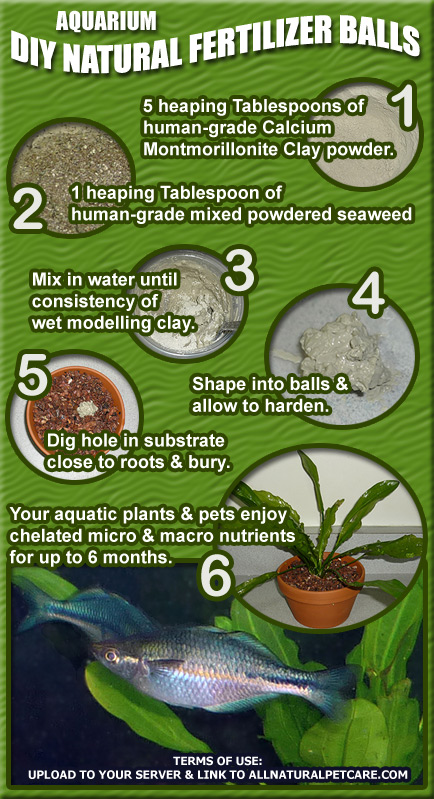
As an aquarium enthusiast, you’re likely aware of the importance of providing your aquatic plants with the necessary nutrients to thrive. However, with so many options available, it can be overwhelming to determine the best approach for fertilizing your aquarium plants.
In this article, we’ll explore the various methods for fertilizing aquarium plants, including the use of liquid fertilizers, tablets, and substrates specifically designed for aquarium use. We’ll also discuss the benefits and drawbacks of each method, as well as provide tips for avoiding common mistakes.
Understanding Aquarium Plant Nutritional Needs
Aquarium plants have specific nutritional requirements that must be met to ensure optimal growth and health. These needs include:
- Nitrogen (N): Essential for plant growth and development
- Phosphorus (P): Crucial for root growth, flowering, and overall plant health
- Potassium (K): Important for plant resistance to disease and environmental stressors
- Calcium: Necessary for plant cell wall formation and structural integrity
- Magnesium: Essential for photosynthesis and plant growth
These nutrients are essential for plant growth, development, and maintenance.
Using Liquid Fertilizers
Liquid fertilizers are a popular choice for aquarium plant care. They come in various forms, including:
- Balanced fertilizers: Provide equal amounts of NPK (nitrogen-phosphorus-potassium)
- Nitrogen-rich fertilizers: High in N, low in P and K
- Phosphorus-rich fertilizers: High in P, low in N and K
When using liquid fertilizers, it’s essential to follow the manufacturer’s instructions for dosing and application. Liquid fertilizers can be added directly to the water or applied to the soil.
Benefits of Liquid Fertilizers
- Easy to use: Simply add the fertilizer to the water or apply it to the soil
- Quick results: Provide immediate benefits for plant growth and health
- Flexibility: Can be adjusted to meet specific plant needs
However, liquid fertilizers can also have drawbacks, including:
- Over-fertilization: Risk of excessive nutrient uptake leading to water quality issues
- Water quality concerns: Can contribute to algae growth or nutrient imbalances if not used properly
Using Tablets
Tablets are a convenient option for aquarium plant care. They come in various forms, including:
- Fertilization tablets: Provide a balanced diet of NPK
- Micro-element tablets: Rich in micronutrients such as iron, iodine, and vitamins
When using tablets, it’s crucial to follow the manufacturer’s instructions for dosing and application. Tablets are designed to provide a slow release of nutrients, making them ideal for plants with low nutrient requirements.
Benefits of Tablets
- Convenient: Easy to use and apply
- Long-lasting: Provide a steady supply of nutrients over an extended period
- Precise dosing: Allows for accurate application of nutrients
However, tablets can also have drawbacks, including:
- Slow results: May take longer for plants to respond to nutrient availability
- Risk of under-fertilization: Can lead to plant stress or poor growth if not used correctly
Using Substrates
Substrates are specifically designed for aquarium use and provide a slow release of nutrients. They come in various forms, including:
- Fertile substrates: Rich in nutrients such as nitrogen, phosphorus, and potassium
- Carbon-rich substrates: Help to maintain water quality by absorbing excess nutrients
When using substrates, it’s essential to follow the manufacturer’s instructions for application. Substrates are designed to provide a steady supply of nutrients over an extended period.
Benefits of Substrates
- Long-lasting: Provide a slow release of nutrients that can last for weeks or months
- Precise dosing: Allows for accurate application of nutrients
- Improved water quality: Help to maintain stable water parameters
However, substrates can also have drawbacks, including:
- Difficult to use: Requires specific application techniques and may require additional equipment
- Risk of over-fertilization: Can lead to water quality issues if not used correctly
Tips for Avoiding Common Mistakes
- Over-fertilization: Avoid adding too much fertilizer, as this can lead to nutrient imbalances and stress on the plants.
- Under-fertilization: Ensure that your aquarium plants are receiving sufficient nutrients for optimal growth and health.
- Water Quality: Maintain good water quality by performing regular water changes and monitoring pH levels.
By following these tips and using the right fertilizers, you can optimize your aquarium plant care routine and enjoy a thriving and healthy aquarium ecosystem.
Frequently Asked Questions
- Q: What is the best fertilizer for my aquarium plants?
A: The best fertilizer for your aquarium plants depends on their specific nutritional needs and growth stage. - Q: How often should I fertilize my aquarium plants?
A: Fertilization frequency depends on plant type, growth rate, and water quality.
By understanding the different types of fertilizers available and their benefits and drawbacks, you can make informed decisions about your aquarium plant care routine.
Additional Resources
- Aquarium Plant Care Guide: A comprehensive guide to aquarium plant care, including fertilization, pruning, and propagation.
- Aquarium Plant Selection Guide: A guide to selecting the right plants for your aquarium ecosystem, based on their growth rates, light requirements, and water conditions.


