
Introduction
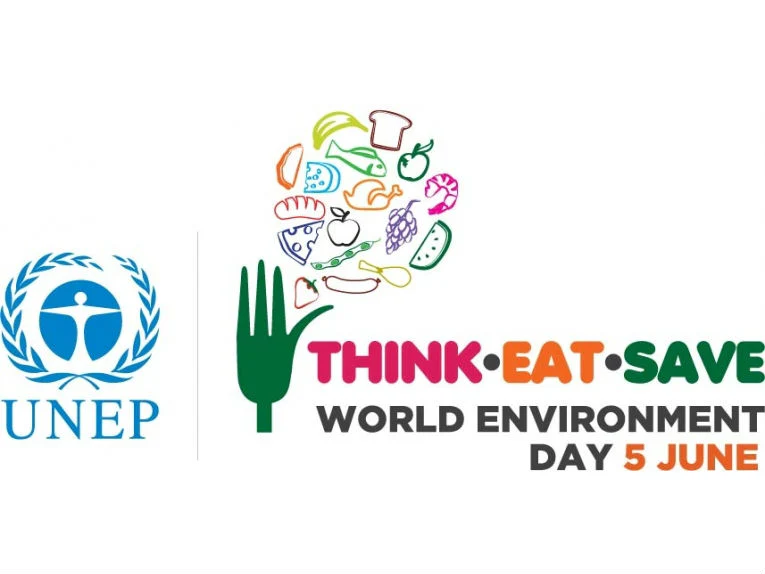
As we go about our daily lives, it’s easy to overlook the impact of our actions on the environment. World Environment Day (WED) is an important reminder to think about our footprint, but this year’s theme, “foodprint,” deserves special attention. In this article, we’ll explore the significance of food waste and why reducing it is crucial for a sustainable future.
What is Foodprint?
Foodprint refers to the environmental impact of our food choices. It encompasses everything from production to consumption, including greenhouse gas emissions, water usage, and land degradation. Understanding foodprint is essential for making conscious decisions about what we eat and how we produce it.
- Greenhouse Gas Emissions: Food production and transportation contribute significantly to greenhouse gas emissions.
- Water Usage: Agriculture accounts for approximately 70% of global freshwater withdrawals.
- Land Degradation: Intensive farming practices lead to soil erosion, deforestation, and loss of biodiversity.
The Surprising Truth About Food Waste
Did you know that every year, people around the world throw away 1.3 tons of leftover food? That’s roughly 30% of all food produced! This staggering statistic should make us think twice about our eating habits.
- Food Loss in Production: Approximately 10-30% of food is lost during production due to factors like crop failure, spoilage, and harvesting errors.
- Food Waste in Consumption: The majority of food waste occurs during consumption, with an estimated 40% of all food being wasted at home.
History of World Environment Day
World Environment Day was established by the United Nations in 1972 to commemorate a conference on human environment held in Stockholm. The conference defined the United Nations Environment Programme (UNEP), which works to promote environmental protection and sustainable development globally.
- First WED: In 1972, the first World Environment Day took place on June 5th and focused on conservation of natural resources.
- Current Theme: Each year’s theme highlights a specific environmental issue, such as climate change (2013) and biodiversity (2020).
The Impact of Food Waste
Food waste is not just an environmental issue; it’s also a social and economic concern. According to the Barilla Center for Food and Nutrition, an average American throws away 1,334 calories per day, while a European does so only 720.
- Economic Costs: Food waste results in significant economic losses, with estimates suggesting that global food waste amounts to around $940 billion annually.
- Social Implications: Food waste affects not only the economy but also social structures, particularly those related to food security and poverty alleviation.
Why Should We Care About Foodprint?
Producing food that ends up in the trash requires resources like water and land, polluting the air with greenhouse gas emissions. By reducing our food waste, we can:
- Save Energy and Reduce Greenhouse Gas Emissions: Reducing food waste helps lower energy consumption for production and transportation.
- Conserve Natural Resources: Food production accounts for approximately 70% of global freshwater withdrawals.
- Support Sustainable Agriculture and Food Systems: By reducing food waste, we promote sustainable agricultural practices that prioritize soil health, biodiversity, and efficient water use.
Initiatives to Reduce Food Waste
World Environment Day 2013 highlighted several initiatives to reduce food waste. One notable practice is “foodsharing,” which involves sharing leftover meals with those in need.
- Food Sharing: Organizations like Feeding America (USA) and FareShare (UK) work towards reducing food waste by connecting surplus food with those who can benefit from it.
- Reducing Food Waste at Home: Simple practices like meal planning, using up leftovers, and composting food scraps contribute to significant reductions in household food waste.
The Power of Online Platforms
Online platforms can also help reduce food waste by connecting consumers with surplus food from grocery stores and restaurants. This not only saves resources but also reduces food waste and supports local communities.
- Food Recovery Apps: Apps like FoodFinder (USA) and Too Good To Go (UK) connect users with surplus food at local businesses, helping to reduce food waste.
- Digital Marketplaces: Online platforms like Hungry Harvest (USA) and Fresh Flexi (Australia) facilitate the sale of surplus food from restaurants and grocery stores.
Conclusion
World Environment Day 2013 was a valuable opportunity to raise awareness about the importance of foodprint and reducing food waste. By making conscious decisions about what we eat and how we produce it, we can create a more sustainable future for ourselves and generations to come.
Frequently Asked Questions (FAQs)
Q: What is foodprint?
A: Foodprint refers to the environmental impact of our food choices, including greenhouse gas emissions, water usage, and land degradation.
Q: How much food waste occurs worldwide?
A: According to the Food and Agriculture Organization (FAO), people around the world throw away 1.3 tons of leftover food every year, roughly 30% of all food produced.
Q: What is the impact of food waste on energy consumption?
A: Producing food that ends up in the trash requires significant energy resources, which can be reduced by reducing food waste.
Q: How can I reduce my food waste at home?
A: Start by planning your meals, using up leftovers, and composting food scraps. You can also consider adopting a “foodsharing” practice with friends and family.
Q: What role do online platforms play in reducing food waste?
A: Online platforms can connect consumers with surplus food from grocery stores and restaurants, reducing food waste and supporting local communities.
Q: Why is it important to reduce food waste?
A: Reducing food waste saves resources like water and land, pollutes the air less, and supports sustainable agriculture and food systems.


