
As a homeowner who relies on a wood-burning stove for heat, you know how crucial it is to have the right equipment installed properly. One often-overlooked aspect of this process is the installation of the cane, also known as the flue. In this article, we’ll delve into the world of cane installation and explore why it’s essential for a wood-burning stove’s optimal performance.
Understanding the Role of the Cane
The cane is responsible for directing exhaust gases away from your home, while also facilitating the efficient combustion process within the stove. Properly installed, a well-functioning cane ensures that fumes are expelled in an upward direction, creating a vacuum-like effect that pulls combustion gases towards the chimney.
Factors Affecting Cane Installation
When it comes to installing a new cane or upgrading an existing one, there are several key factors to consider. We’ll break down the most critical elements:
1. Material Selection
- Metal vs. Brick: When it comes to choosing materials for your cane, metal is generally the better option. It’s more durable and resistant to corrosion than brick or other masonry materials.
- Galvanized Steel vs. Stainless Steel: Galvanized steel is a popular choice for its affordability and corrosion resistance, but stainless steel offers added durability and ease of cleaning.
2. Cane Diameter
- Optimal Size: A larger cane can handle higher temperatures, but it may slow down combustion efficiency. Conversely, a smaller cane might produce less heat, even if it’s more efficient.
- Consider Your Stove’s Specifics: Different wood-burning stoves require varying diameters to ensure optimal performance.
3. Angles and Directions
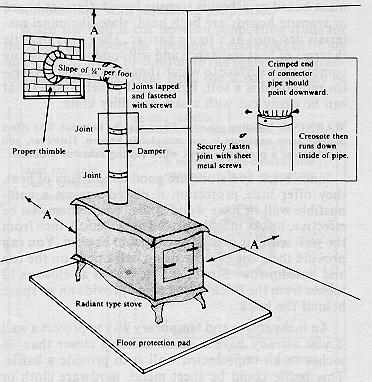
- Avoid Horizontal Sections: A horizontal section in your cane can lead to reduced airflow and increased moisture buildup within the chimney.
- Use Gentle Slopes: Instead, aim for a gentle slope that directs exhaust gases upwards with minimal resistance.
Best Practices for Installing a Cane
To maximize efficiency and minimize potential issues:
- Ensure Proper Ventilation: Install a vent pipe or flue to ensure proper ventilation outside your home.
- Regular Cleaning and Maintenance: Clean your cane regularly to prevent buildup of creosote, soot, and other hazardous substances.
- Consider Professional Installation: If you’re unsure about the installation process, consider hiring a professional with experience in wood-burning stove canes.
Tips for Upgrading or Replacing an Existing Cane
If you find yourself needing to upgrade or replace your current cane:
- Consult Your Stove’s Manual: Check your user manual for specific guidelines on upgrading or replacing the flue.
- Choose the Right Materials and Design: Select materials and designs that complement your stove’s specifications and performance needs.
Common Mistakes to Avoid
To ensure a successful installation, be aware of these common mistakes:
- Inadequate Clearance: Make sure there is enough clearance around the stove for proper ventilation and airflow.
- Incorrect Cane Orientation: Ensure the cane is installed at an angle that allows exhaust gases to rise upwards efficiently.
- Ignoring Local Building Codes: Familiarize yourself with local building codes and regulations regarding wood-burning stoves and flues.
Conclusion
A properly installed cane is crucial to a wood-burning stove’s optimal performance. By considering factors like material selection, diameter, angles, and directions, you can ensure an efficient and clean combustion process within your home. Take the time to choose the right materials and design for your specific stove, and don’t hesitate to seek professional guidance if needed.
Frequently Asked Questions
-
How often should I clean my cane?
Regular cleaning (at least once a year) is recommended to prevent buildup of creosote, soot, and other hazardous substances.
2. What are the benefits of galvanized steel vs. stainless steel for a wood-burning stove’s flue?
3. Can I install a new canne on an existing stove without professional help?While it may be possible to upgrade or replace your cane without professional assistance, we recommend consulting your user manual and considering hiring a professional if unsure about the installation process.
4. How do I determine the optimal diameter for my stove’s flue?
5. Can horizontal sections in a cane lead to reduced airflow?Yes, horizontal sections can reduce airflow and increase moisture buildup within the chimney.
Additional Resources
For more information on wood-burning stoves and optimal performance, check out our related articles:
- “The Ultimate Guide to Wood-Burning Stove Maintenance”
- “Choosing the Right Materials for Your Flue”
Feel free to reach out with any questions or concerns about your specific situation!
Troubleshooting Common Issues
If you encounter issues with your wood-burning stove’s performance, try these troubleshooting steps:
- Reduced Heat Output: Check your stove’s manual for specific guidelines on maintaining optimal heat output.
- Poor Ventilation: Ensure proper ventilation by checking your chimney and vent pipe for any blockages or damage.
- Excessive Smoke: Regularly clean your cane to prevent buildup of creosote, soot, and other hazardous substances.
By following these best practices, tips, and troubleshooting steps, you can ensure a properly installed and functioning wood-burning stove that provides efficient and reliable heat for years to come.


